
Making a Living
"A swindler scams a newspaper reporter-photographer, then applies for a job at his newspaper."
Keys: Space play/pause · ←/→ 10s · F fullscreen · M mute · </> speed
About this film
A swindler scams a newspaper reporter-photographer and then, not realizing where the man is employed, applies for a job at his newspaper.
Cast & crew
More films like this


More Comedy films
View all →







More from Henry Lehrman
View all →
More about this film
About the production
Release dateFebruary 2, 1914
Box officeUnknown
ProductionKeystone Studios
Filmed inLos Angeles, California
This was Charlie Chaplin's film debut, shot in early January 1914. The film was originally titled 'A Busted Romance' during production but changed to 'Making a Living' before release. Chaplin was still developing his iconic Tramp character and appears here as a more dapper villain with a top hat and monocle. The filming took place over just a few days, typical of Keystone's rapid production schedule. Director Henry Lehrman also acted in the film and reportedly had conflicts with Chaplin on set, feeling the newcomer was trying to steal scenes.
Themes
Deception and identityWorkplace comedySocial mobilityJustice and comeuppanceUrban life
Themes & topics
swindlernewspapermistaken identityjob interviewcomedyshort filmsilent filmdeceptionworkplaceslapstick
Historical background
Made in 1914, in United States, under Henry Lehrman, Making a Living belongs to silent filmmaking amid the silent era's rapid stylistic experiments. Making a Living is the first film starring Charlie Chaplin.
Why this film matters
Within silent history, Henry Lehrman's name attaches to the work; surviving prints help researchers study silent-era craft; 1914 film by Henry Lehrman.
Making of
The making of 'Making a Living' represents a pivotal moment in cinema history. Chaplin had been recruited from the Fred Karno comedy troupe in England and arrived at Keystone Studios in December 1913. Mack Sennett, the studio head, was initially unsure how to use Chaplin's talents. Director Henry Lehrman, a veteran Keystone filmmaker, was assigned to direct Chaplin's debut but reportedly grew frustrated with Chaplin's tendency to ad-lib and expand scenes beyond their planned scope. The film was shot on location in Los Angeles, utilizing the city's streets as backdrops. Chaplin's performance style was still evolving, and he had not yet developed the iconic Little Tramp character that would make him world-famous. The on-set tensions between Chaplin and Lehrman were so significant that Sennett decided to let Chaplin direct his own films after this, recognizing his unique comedic vision. This decision would prove crucial in allowing Chaplin to develop his distinctive style and character.
What critics said
Contemporary reviews of Making a Living are sparse in open sources; later catalog entries chiefly summarize plot and credits.
Did you know?
- This was Charlie Chaplin's very first film appearance, marking the beginning of his career in cinema.
- Chaplin was paid $150 per week for this film, a significant sum at the time, after being discovered by Mack Sennett.
- The character Chaplin portrays here is not his famous Tramp character but a more sophisticated swindler with a top hat and monocle.
- Director Henry Lehrman reportedly resented Chaplin's scene-stealing abilities and their working relationship was strained.
- The film was shot in just two days, typical of Keystone Studios' rapid production methods.
- Virginia Kirtley, who plays the female lead, was a popular Keystone actress who appeared in numerous comedies.
- The original title during production was 'A Busted Romance' before being changed to 'Making a Living'.
- This film was released just as World War I was beginning in Europe, though the U.S. had not yet entered the war.
- Keystone Studios was known for its chaotic, improvisational style, which gave Chaplin room to experiment with his comedy.
- The film's premise of mistaken identity and workplace comedy would become recurring themes in Chaplin's later work.
Visual style
The cinematography in 'Making a Living' reflects the standard practices of 1914 filmmaking. The camera remains stationary for most scenes, typical of the period before the development of more dynamic camera movement. The film was shot in black and white on 35mm film, with exterior scenes utilizing natural lighting. The framing is generally wide to capture the physical comedy, with actors positioned to ensure their actions remain visible within the static frame. The visual style emphasizes clarity over artistic composition, as the primary goal was to showcase the comedy. Location shooting in Los Angeles streets provides authentic urban backdrops that add realism to the newspaper office setting. The cinematography serves its functional purpose effectively, though it lacks the visual sophistication that would develop in cinema throughout the 1910s.
Innovations
While 'Making a Living' does not feature groundbreaking technical innovations, it represents the standard technical practices of professional filmmaking in 1914. The film was shot on 35mm film at approximately 16 frames per second, the standard speed of the era. The use of location shooting in urban Los Angeles demonstrated the growing mobility of film equipment and the industry's move away from studio-bound productions. The film's editing, while simple by modern standards, shows the developing language of continuity editing that was becoming standard in American cinema. The technical aspects of the film, including lighting and camera placement, were handled competently by Keystone's experienced crew. The film's survival and preservation also represent an achievement in itself, as many films from this period have been lost due to the unstable nature of early film stock.
Music
As a silent film, 'Making a Living' had no original soundtrack or recorded dialogue. During its theatrical run in 1914, the film would have been accompanied by live musical performance, typically a pianist or small orchestra in the theater. The music would have been improvised or selected from standard theatrical libraries, with upbeat, jaunty melodies during comedic scenes and more dramatic music during tense moments. No specific musical cues or compositions were created for this film. Modern screenings often feature newly composed scores or period-appropriate music to recreate the silent film experience. The absence of synchronized sound meant that Chaplin's comedy relied entirely on visual storytelling and physical performance, a constraint that helped develop his mastery of pantomime and expressive movement.
Famous quotes
(As a silent film, there are no recorded dialogue quotes, but Chaplin's character's actions and title cards conveyed key moments: 'Wanted - A Reporter of Experience and Ability' - newspaper advertisement that drives the plot
Memorable scenes
- The opening sequence where Chaplin's swindler cons the newspaper photographer out of his equipment and money, establishing his character's deceptive nature. The awkward job interview scene where Chaplin tries to maintain his disguise while being questioned by his victim. The climactic chase sequence through the newspaper office as Chaplin's identity is revealed, showcasing early Keystone-style physical comedy.
What audiences thought
Audiences in 1914 responded positively to 'Making a Living,' finding its premise amusing and Chaplin's performance engaging. The film performed well enough to justify continuing Chaplin's contract with Keystone. However, it was Chaplin's second film, 'Kid Auto Races at Venice' (released February 7, 1914), where he first appeared as the Tramp character, that truly captured audience imagination and launched his stardom. Contemporary audience members likely viewed 'Making a Living' as a standard Keystone comedy without recognizing its historical importance. Modern audiences, when viewing the film today, are often struck by seeing Chaplin in an unfamiliar role and appreciate witnessing the very beginning of his career. The film serves as a fascinating glimpse into the origins of a cinematic genius.
Film connections
Influenced by
- French and American slapstick traditions
- Music hall and vaudeville comedy
- Mack Sennett's Keystone comedy style
- Early film chase sequences
This film influenced
- Kid Auto Races at Venice (1914)
- Mabel's Strange Predicament (1914)
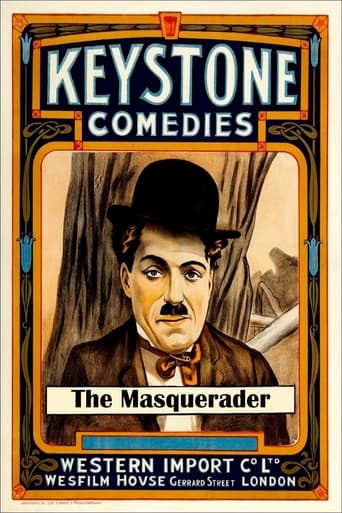
- The Masquerader (1914)
- Tillie's Punctured Romance (1914)
Film restoration
The film survives and has been preserved. Copies exist in several film archives, including the Library of Congress and the Museum of Modern Art. The film has been restored and is available on various Chaplin compilation DVD sets and streaming platforms. While some prints show signs of deterioration typical of films from this era, the complete film is accessible to modern audiences. The survival of Chaplin's debut film is particularly significant given that approximately 75% of silent films have been lost according to film preservation studies.
Where to watch
- Available on DVD in 'The Chaplin Revue' and various Charlie Chaplin collections
- Streaming on The Criterion Channel
- Available on YouTube through public domain uploads
- Accessible through the Internet Archive
- Included in some streaming services' classic film collections
- Available for viewing at film archives and museums with film departments