
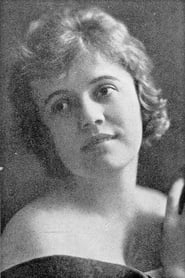
Virginia Kirtley
Actor
Born: December 11, 1888 in Covington, Kentucky, United States Died: August 19, 1956 Active: 1913-1915
Films
4 films

About Virginia Kirtley
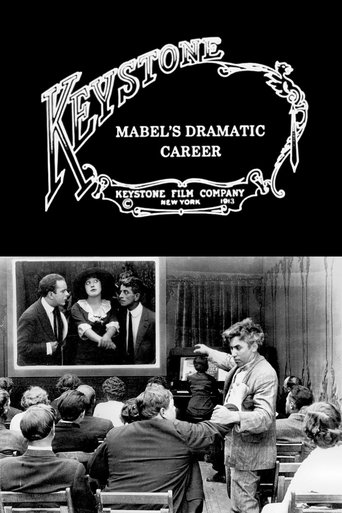
Virginia Kirtley is credited on a single production — Making a Living (1914). Born in 1888, she began her film career during the explosive growth of American cinema, appearing in numerous comedy shorts that helped define the visual language of early film comedy. Kirtley worked alongside some of the era's most influential comedians, including Charlie Chaplin in his debut film 'Making a Living' (1914), Mabel Normand, and Roscoe 'Fatty' Arbuckle, establishing herself as a reliable supporting player in the fast-paced world of slapstick comedy. Her filmography, though brief, represents the quintessential Keystone output of the period—energetic, physical, and in its approach to cinematic humor. After approximately two years of active film work from 1913 to 1915, she largely disappeared from the screen, following a pattern common to many early film actresses whose careers were often brief but historically significant. Her legacy endures through her participation in foundational works of American comedy cinema, particularly her appearance in Chaplin's first film, which has secured her place in film history despite her relatively small body of work.
The Craft
On Screen
Virginia Kirtley's acting style was characteristic of the Keystone Studios approach—exaggerated, physical, and perfectly suited to the rapid-fire pacing of early slapstick comedy. As was typical for actresses in supporting roles during this period, she employed broad gestures and facial expressions that could be clearly understood by audiences without the benefit of dialogue. Her performances demonstrated the athletic quality required for Keystone comedies, often involving pratfalls, chases, and physical gags that demanded both timing and agility. While not a featured player, her screen presence was effective in the ensemble casts that populated these early shorts, providing the necessary reactions and support to showcase the stars of the films.
Milestones
- Appeared in Charlie Chaplin's film debut 'Making a Living' (1914)
- Regular performer at Mack Sennett's Keystone Studios
- Worked with comedy directors like Henry Lehrman and George Nichols
- Participated in the early development of American slapstick comedy
- Appeared in over 20 short films during the peak of the silent comedy era
Best Known For
Iconic Roles
Must-See Films
Accolades
Special Recognition
- Historical recognition for participation in early American cinema
Working Relationships
Worked Often With
Studios
Why They Matter
Impact on Culture
Virginia Kirtley's cultural impact lies primarily in her participation in the foundational period of American comedy cinema, particularly through her appearance in Charlie Chaplin's debut film 'Making a Living.' While she was not a star of the era, her work contributed to the development of the slapstick comedy formula that would dominate American humor for decades and influence generations of comedians. The Keystone shorts she appeared in were instrumental in establishing visual comedy techniques that would become standard in cinema, from chase sequences to physical gags. Her presence in these films provides modern scholars and film enthusiasts with a window into the collaborative nature of early film production, where ensemble casts worked together to create the comic mayhem that audiences loved. Though her individual contribution may seem small, collectively, actresses like Kirtley formed the essential supporting infrastructure that allowed the stars of silent comedy to shine.
Lasting Legacy
Virginia Kirtley's legacy is primarily historical, preserved through her appearances in some of the most significant films of the early comedy era. Her role in 'Making a Living' ensures her place in film history as part of Charlie Chaplin's cinematic debut, a fact that gives her enduring recognition among film historians and silent cinema enthusiasts. The preservation of Keystone comedies has allowed her work to remain accessible to modern audiences, serving as proof of the collaborative nature of early filmmaking. While she never achieved the lasting fame of stars like Chaplin or Normand, her contribution to the development of American film comedy represents the countless supporting players who were essential to the success of the studio system. Her career trajectory—from brief prominence to retirement—also illustrates the transient nature of fame for many early film actors, particularly women, whose careers were often cut short by marriage, changing industry standards, or the transition to sound.
Who They Inspired
As a supporting player rather than a star, Virginia Kirtley's direct influence on subsequent generations of actors is difficult to trace. However, her work as part of the Keystone Studios ensemble contributed to the establishment of comedy techniques and ensemble dynamics that would influence film comedy for decades. The physical comedy style she participated in helped create a template for supporting players in comedy films—a role that requires precise timing, the ability to enhance the star's performance without overshadowing it, and versatility in playing various types within the comedy framework. Her brief career also represents the opportunities available to women in early cinema, where they could find work as performers before the studio system became more rigid and hierarchical.
Off Screen
Virginia Kirtley married fellow actor and director Harry Edwards in 1914, which coincided with the peak of her brief film career. Edwards was also associated with Keystone Studios and later became a comedy director, working with stars like Harry Langdon and Charley Chase. Their marriage represented a common pattern in early Hollywood where industry professionals often formed personal and professional partnerships. After her film career ended, Kirtley appears to have retired from acting entirely, focusing on her family life away from the growing film industry. She lived a relatively private life following her departure from cinema, with little public documentation of her later years until her death in 1956 at the age of 67.
Education
No documented formal education information available for Virginia Kirtley, which was common for actors of her era who often entered the film industry through various informal routes rather than formal training programs.
Family
- Harry Edwards (1914-1952, until his death)
Did You Know?
- Appeared in Charlie Chaplin's very first film, 'Making a Living' (1914), though Chaplin played a villain rather than his famous Tramp character
- Her film career lasted only about two years, from 1913 to 1915, which was not uncommon for early film actors
- Worked almost exclusively with Keystone Studios, the most influential comedy studio of the early 1910s
- Married director Harry Edwards, who later directed many comedy shorts for various studios
- Many of her films are now lost, a common fate for early silent shorts that were not preserved
- Her birth name was Virginia Saffell before she adopted Kirtley as her professional surname
- Appeared in multiple films with Mabel Normand, one of the era's biggest comedy stars
- Was part of the transition period when American cinema was establishing its visual language
- Her films typically ran 10-15 minutes, the standard length for comedy shorts of the period
- Like many early film actors, she likely earned very little for her appearances despite the films' success
In Their Own Words
No documented famous quotes from Virginia Kirtley exist, which was typical for supporting actors of the silent era who rarely gave interviews or had their words preserved in print.
Frequently Asked Questions
Who was Virginia Kirtley?
American actress who worked in silent films during the early 1910s, primarily with Mack Sennett's Keystone Studios. She appeared in numerous comedy shorts and is best known for being in Charlie Chaplin's film debut 'Making a Living' in 1914.
What films is Virginia Kirtley best known for?
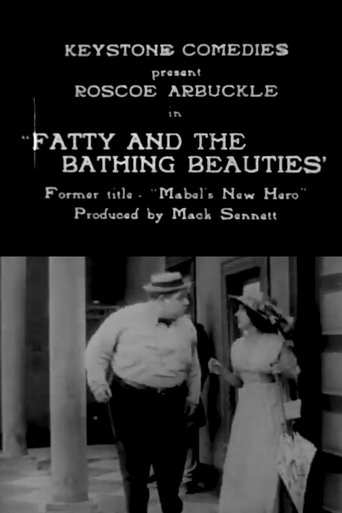
Titles linked here include Making a Living (1914) - Charlie Chaplin's film debut, Mabel's New Hero (1913).
When was Virginia Kirtley born and when did she die?
Born December 11, 1888; died August 19, 1956.
What awards did Virginia Kirtley win?
Virginia Kirtley did not receive any major awards during her lifetime, which was common for supporting actors in the early silent era. Her recognition comes primarily from her historical significance in early American cinema.
What was Virginia Kirtley's acting style?
Her acting style was typical of Keystone Studios comedies—physical, exaggerated, and suited to slapstick humor. She used broad gestures and expressions appropriate for silent film, often playing supporting roles in ensemble comedies.
How long was Virginia Kirtley's film career?
Her active film career was relatively brief, spanning approximately from 1913 to 1915. During this time, she appeared in over 20 short films before retiring from acting, a pattern common for many early film performers.
Did Virginia Kirtley work with any famous actors?
Yes, she worked with several comedy stars including Charlie Chaplin in his debut film, Mabel Normand, Roscoe 'Fatty' Arbuckle, and was part of the Keystone Studios ensemble that created early American slapstick comedy.