
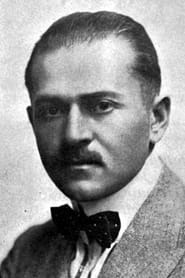
Henry Lehrman
Actor & Director
Born: March 30, 1886 in Vienna, Austria-Hungary (now Austria) Died: November 7, 1946 Active: 1909-1939
Films
7 films
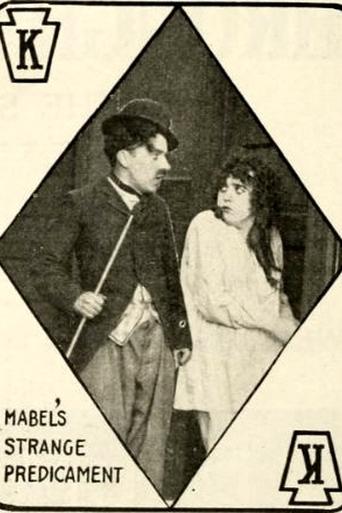
About Henry Lehrman
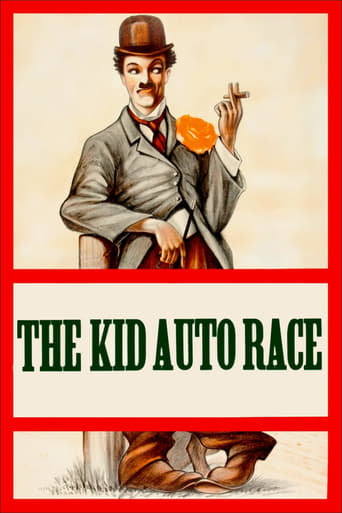
Austrian-American film director, actor, and producer who in the early development of American cinema during the silent era. Born in Vienna in 1886, he emigrated to the United States and entered the film industry around 1909, initially working as an actor at D.W. Griffith's Biograph Studio. Lehrman quickly transitioned to directing and became one of the key directors at Mack Sennett's Keystone Studios, where he helped develop the slapstick comedy style that would define early American comedy. He is historically significant for directing Charlie Chaplin's first film appearance in 'Making a Living' (1914) and the second film featuring Chaplin's Tramp character, 'Kid Auto Races at Venice' (1914). Despite his early success and contributions to cinema, Lehrman's career declined in the 1920s, partly due to his reputation for being difficult to work with and his resistance to evolving film techniques. He continued working in the industry through the 1930s in lesser roles before his death in 1946, leaving behind a complex legacy as both a pioneer of early cinema and a controversial figure in Hollywood history.
The Craft
On Screen
Lehrman was known for his exaggerated physical comedy and willingness to perform dangerous stunts, particularly in death scenes. His acting style was typical of the Keystone Studios approach, emphasizing broad gestures, slapstick humor, and physical comedy over subtle performance. He often played villainous or comic relief characters, using his expressive face and athletic abilities to create memorable moments in early comedies.
Behind the Camera
As a director, Lehrman was known for his fast-paced, energetic approach to comedy filmmaking. He favored rapid editing, elaborate chase sequences, and elaborate physical gags that became hallmarks of Keystone Studios productions. His directing style emphasized visual comedy over narrative complexity, focusing on creating maximum comedic impact through carefully choreographed slapstick sequences and camera work that captured the physicality of his performers.
Milestones
- Directed Charlie Chaplin's first film appearance in 'Making a Living' (1914)
- Directed 'Kid Auto Races at Venice' (1914), the second film featuring Chaplin's Tramp character
- Worked extensively at Mack Sennett's Keystone Studios
- Formed his own production company, L-Ko Kompany, in 1916
- Directed over 200 films during his career
- Earned the nickname 'Mr. Suicide' for his frequent death scene appearances
Best Known For
Iconic Roles
Must-See Films
Accolades
Special Recognition
- Recognition as a pioneer of American silent cinema
- Historical significance for directing Chaplin's early work
Working Relationships
Worked Often With
Studios
Why They Matter
Impact on Culture
Henry Lehrman played a crucial role in shaping early American comedy cinema through his work at Keystone Studios. His films helped establish the slapstick comedy genre that would dominate American comedy in the 1910s and influence generations of comedians. His direction of Charlie Chaplin's earliest films, while marked by conflict, contributed to the development of one of cinema's most iconic characters. Lehrman's emphasis on physical comedy and elaborate gags became standard elements of silent film comedy, influencing the work of subsequent directors and comedians.
Lasting Legacy
Lehrman's legacy is complex and often overshadowed by his more famous contemporaries. While he was instrumental in developing early film comedy and directed historically significant films featuring Charlie Chaplin, his reputation for being difficult and his resistance to artistic evolution limited his long-term impact. Today, he is primarily remembered by film historians for his role in Chaplin's early career and his contributions to the development of American slapstick comedy. His films remain valuable historical documents of early cinema techniques and comedy styles.
Who They Inspired
Lehrman influenced early film comedy through his work at Keystone Studios, helping establish the fast-paced, physically-driven comedy style that would define the era. His directing techniques, particularly his use of chase sequences and elaborate gags, were adopted by other comedy directors of the period. While his direct influence waned as cinema evolved, his early work helped create the foundation upon which later comedy filmmakers would build.
Off Screen
Lehrman was married multiple times and had a reputation for being a difficult personality both on and off set. His personal life was marked by professional conflicts and a declining career in the 1920s and 1930s. He struggled with the transition to more sophisticated filmmaking techniques and his rigid directing style became outdated as cinema evolved. His engagement to Virginia Rappe at the time of her controversial death in 1921 brought him unwanted public attention.
Education
Limited formal education in Vienna, largely self-taught in filmmaking through practical experience
Family
- Edna Borden (1914-divorced)
- Virginia Rappe (engaged 1921 at time of her death, never married)
Did You Know?
- Earned the nickname 'Mr. Suicide' for dying in over 100 films
- Directed Charlie Chaplin's first film but the two had a contentious working relationship
- Was engaged to actress Virginia Rappe at the time of her controversial death in 1921
- Formed his own production company, L-Ko Kompany, in 1916
- Directed over 200 films during his career but most are now lost
- Was one of the original directors at Keystone Studios
- Known for his strict directing style and reluctance to improvise
- Often appeared as a villain in the films he directed
- His career declined as cinema techniques became more sophisticated
- Was born in Vienna but became an American citizen
Frequently Asked Questions
Who was Henry Lehrman?
Austrian-American on YTB.my.
What films is Henry Lehrman best known for?
Titles linked here include Making a Living (1914), Kid Auto Races at Venice (1914).
When was Henry Lehrman born and when did he die?
Born March 30, 1886; died November 7, 1946.
What awards did Henry Lehrman win?
Lehrman did not receive major awards during his lifetime, as the award system for cinema was not well-established during the peak of his career in the 1910s.
What was Henry Lehrman's directing style?
His directing style emphasized fast-paced physical comedy, elaborate chase sequences, and carefully choreographed slapstick gags, typical of the Keystone Studios approach to early film comedy.
Why was Henry Lehrman called 'Mr. Suicide'?
He earned this nickname for dying in over 100 films, often in elaborate and comedic ways, making him one of early cinema's most frequently killed actors.
What was Henry Lehrman's relationship with Charlie Chaplin?
Lehrman directed Chaplin's first films but they had a contentious working relationship, with Chaplin reportedly finding Lehrman's directing style too rigid and controlling.
What happened to Henry Lehrman's career?
His career declined in the 1920s as filmmaking techniques evolved and his rigid directing style became outdated, though he continued working in the industry through the 1930s in lesser capacities.