
Bangville Police
"A young farm maid overhears two cow-hands talking in the barn"
Keys: Space play/pause · ←/→ 10s · F fullscreen · M mute · </> speed
About this film
A young farm maid overhears two cow-hands talking in the barn, and she becomes convinced they’re about to rob her. She barricades herself in a room and calls the police. Her call wakes the chief, who rallies the country justice constabulary and they set off toward the farm, in st.
Cast & crew
More films like this
More Comedy films
View all →







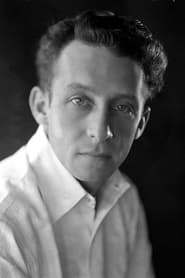
More from Henry Lehrman
View all →
More about this film
About the production
Release dateFebruary 1913
Box officeUnknown - box office records from 1913 are scarce
ProductionKeystone Film Company
Filmed inCalifornia - likely Keystone Studios in Edendale or surrounding rural areas
This film was produced during the height of Keystone's early success, utilizing their signature fast-paced comedy style. The production would have been shot quickly, typically in one or two days, which was standard for Keystone comedies of this period. The film showcases the studio's commitment to physical comedy and chase sequences that would become their trademark.
Themes
Mistaken IdentityRural vs Urban LifeIncompetent AuthorityTechnology and ModernityGender Roles
Themes & topics
Historical background
Silent-era production in 1913 relied on intertitles, live accompaniment, and studio systems that were rapidly consolidating into national industries.
Why this film matters
Early works like Bangville Police help map how filmmakers, exhibitors, and viewers developed the visual language of cinema during the medium's first decades. Later revivals, archive screenings, and digitization have kept such titles accessible to researchers and dedicated viewers long after their first commercial runs.
Making of
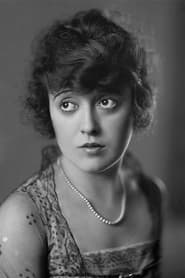
The production of 'Bangville Police' typified the Keystone Studios approach to filmmaking in 1913. Henry Lehrman, as one of Mack Sennett's trusted directors, would have worked with a small crew and minimal equipment. The cast, led by the talented Mabel Normand, would have been given basic scenarios and encouraged to improvise physical comedy. The film was likely shot in a single day with natural lighting, as was common for early one-reel comedies. The chase sequences involving the police force would have required careful choreography to achieve the comedic timing Keystone was known for. The steam automobile featured in the film was probably a prop or borrowed vehicle, adding to the film's period authenticity.
What critics said
Trade and newspaper reviews from the silent period for Bangville Police survive only in fragments, making precise reception history difficult to reconstruct. Modern assessment tends to emphasize historical value, craft, and cultural context rather than box-office performance.
Did you know?
- This film represents an early example of the mistaken identity comedy trope that would become a staple in later films
- Henry Lehrman was one of the original directors at Keystone Studios, working closely with Mack Sennett
- Mabel Normand was one of the biggest female comedy stars of the early 1910s and a key player at Keystone
- The steam-powered automobile featured in the film was typical of early 1910s technology and often used for comic effect
- This film was released during the same year that Charlie Chaplin first joined Keystone Studios
- The film's structure of misunderstanding leading to chaos would influence countless later comedies
- Keystone comedies were known for their improvisational style, with actors often contributing to gags during filming
- The rural setting was a common backdrop for early comedies, contrasting the sophistication of city life with country simplicity
- This film predates many formal cinematic techniques, relying primarily on visual storytelling and physical comedy
Visual style
The cinematography in 'Bangville Police' reflects the technical limitations and creative solutions of early 1913 filmmaking. Shot on black and white film stock, the movie would have used natural lighting for exterior scenes and basic artificial lighting for interiors. The camera work would have been relatively static, with the camera positioned to capture the full action in long shots, as close-ups were still being developed as a technique. The film likely employed basic editing techniques, including cross-cutting between the maid's predicament and the police response to build tension and comedy. The chase sequences would have required careful framing to maintain visual clarity while capturing the fast-paced action.
Innovations
While 'Bangville Police' doesn't feature groundbreaking technical innovations, it demonstrates the sophisticated use of then-available film techniques. The film effectively employs cross-cutting to build parallel action between the maid's situation and the police response, a technique that was still relatively new in 1913. The chase sequences showcase early mastery of continuity editing, maintaining spatial and temporal coherence across multiple shots. The film also demonstrates effective use of location shooting, taking advantage of rural settings to create authentic backdrops for the comedy. The production's ability to coordinate multiple actors and vehicles for chase scenes represents an achievement in logistical planning for early cinema.
Music
As a silent film, 'Bangville Police' would have been accompanied by live musical performance during its theatrical run. Typical accompaniment would have included a pianist or small orchestra playing popular songs of the era and classical pieces matched to the on-screen action. The music would have been faster-paced during chase sequences and more dramatic during tense moments. No original score was composed specifically for the film, as was standard practice for one-reel comedies of this period. Modern screenings would typically use appropriate period music or newly composed scores that capture the film's comedic spirit.
Famous quotes
As a silent film, 'Bangville Police' contains no spoken dialogue, but features visual gags and intertitles that drive the comedy forward
Memorable scenes
- The chaotic police chase sequence featuring the steam-powered automobile struggling through rural terrain, with officers falling off and running alongside, creating a perfect example of Keystone's signature physical comedy and timing
What audiences thought
Audiences in 1913 responded enthusiastically to Keystone comedies like 'Bangville Police,' which were popular attractions at nickelodeons and early movie theaters. The film's mix of action, humor, and relatable situations appealed to broad audiences of the era. The sight gags and chase sequences were particularly effective with early cinema audiences who appreciated the visual spectacle. The film's rural setting and simple plot made it accessible to viewers from various backgrounds, contributing to its commercial success in the competitive one-reel market of 1913.
Film connections
Influenced by
- Earlier French comedies by Georges Méliès and Pathé Frères
- Vaudeville comedy traditions
- Stage farce and slapstick theater
- Chase sequences from early Western films
This film influenced
- Later Keystone comedies
- The Keystone Kops series
- Chase comedies of the 1920s
- Modern mistaken identity comedies
- Police comedy films
Film restoration
The film is preserved in various film archives, including the Library of Congress and other silent film collections. While not completely lost, like many films from this era, it may exist in incomplete or degraded form. Restoration efforts have been undertaken by film preservation organizations to maintain this important example of early American comedy.
Where to watch
- Available through various silent film archives and special collections
- May be included in Keystone Studios compilation DVDs
- Accessible through some film history websites and educational platforms
- Screened occasionally at silent film festivals and classic cinema events