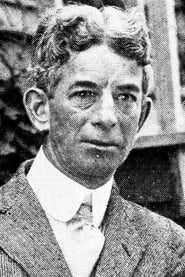
Charles Avery
Actor & Director
Born: May 28, 1873 in Chicago, Illinois, USA Died: July 23, 1926 Active: 1908-1915 Birth Name: Charles Gilbert Avery
Films
24 films
The Son's Return
1909
Bangville Police
1913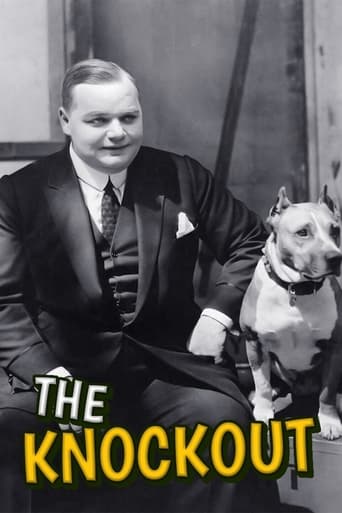
The Knockout
1914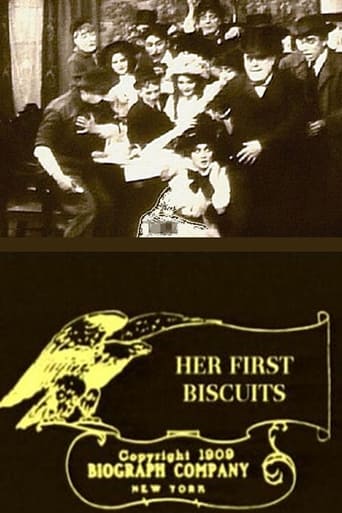
Her First Biscuits
1909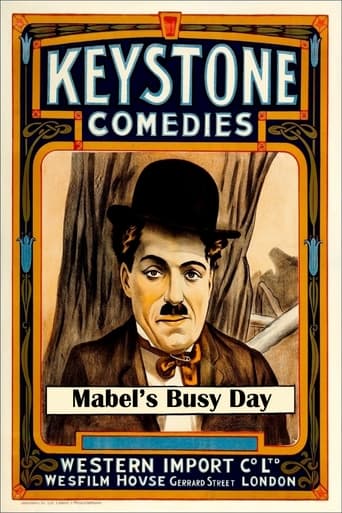
Mabel's Busy Day
1914
Father Gets in the Game
1908 Father Gets in the Game
1908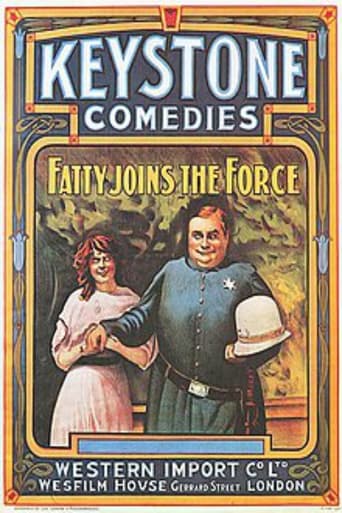
Fatty Joins the Force
1913
Peeping Pete
1913
Mabel's New Hero
1913
A Bandit
1913
The Violin Maker of Cremona
1909
A Drunkard's Reformation
1909
The Salvation Army Lass
1909
Resurrection
1909
The Cardinal's Conspiracy
1909
Two Memories
1909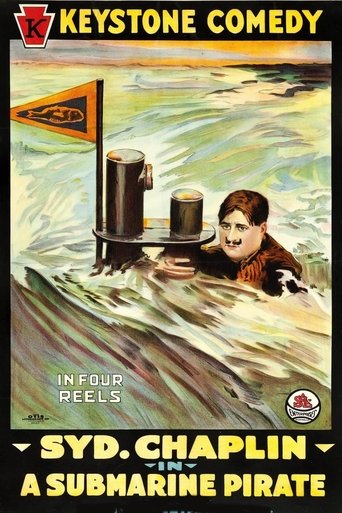
A Submarine Pirate
1915
A Muddy Romance
1913
Confidence
1909
The Usurer
1910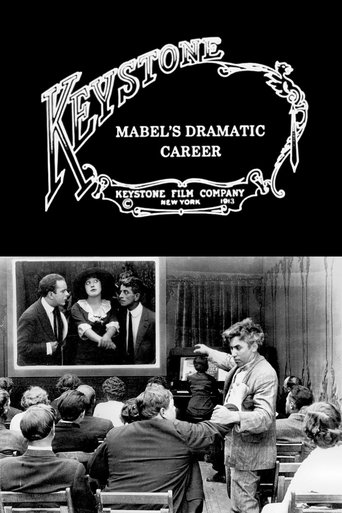
Mabel's Dramatic Career
1913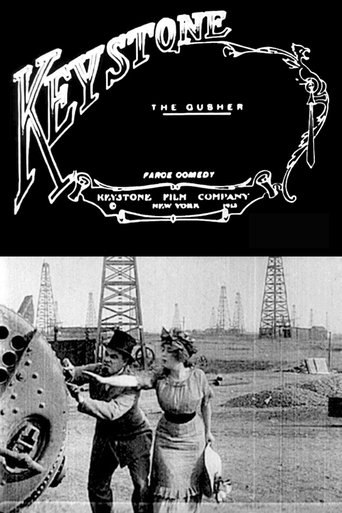
The Gusher
1913About Charles Avery
Charles Gilbert Avery — figure in American silent cinema who made significant contributions as both an actor and director during the formative years of Hollywood. Born in Chicago in 1873, Avery began his film career around 1908 as an actor at Biograph Studios, where he worked extensively under the direction of D.W. Griffith, appearing in numerous shorts that helped establish the language of cinema. His transition to directing around 1913 led him to Mack Sennett's Keystone Studios, where he became one of the key directors shaping the comedy genre during its golden age. Avery directed several early Charlie Chaplin films and was instrumental in developing the slapstick style that would define Keystone comedies. His most famous directorial work, 'A Submarine Pirate' (1915), showcased his innovative approach to visual comedy and technical filmmaking. Despite his relatively brief career, which effectively ended around 1915, Avery's influence on early American comedy cinema was substantial, bridging the gap between Griffith's dramatic innovations and Sennett's comedic revolution. He retired from filmmaking in his early forties and spent his final years in Los Angeles until his death in 1926.
The Craft
On Screen
Avery's acting style was typical of the early Biograph period, characterized by broad, theatrical gestures and exaggerated expressions necessary for silent film communication. He specialized in comic supporting roles, often playing the straight man or comic relief in dramatic shorts. His performances showed a natural physical comedy talent that later served him well as a director of comedies.
Behind the Camera
As a director, Avery was known for his energetic pacing and innovative use of visual gags. He embraced the chaotic, fast-paced style of Keystone comedies while maintaining a clear visual narrative. His films featured elaborate physical comedy sequences and special effects, as evidenced in 'A Submarine Pirate'. Avery had a particular talent for coordinating complex ensemble comedy scenes.
Milestones
- Early acting work at Biograph Studios under D.W. Griffith (1908-1912)
- Transition to directing at Keystone Studios (1913)
- Directed Charlie Chaplin in several early films
- Created the influential comedy short 'A Submarine Pirate' (1915)
- Appeared in over 100 films as an actor during Biograph period
- Helped establish the visual language of American slapstick comedy
Best Known For
Iconic Roles
Must-See Films
Working Relationships
Worked Often With
Studios
Why They Matter
Impact on Culture
Charles Avery played a significant role in the development of American silent comedy cinema during its crucial formative years. His work at Biograph Studios contributed to the establishment of film grammar and storytelling techniques that would become standard in cinema. As a director at Keystone, he helped shape the slapstick comedy genre that would dominate American film comedy throughout the silent era. His film 'A Submarine Pirate' demonstrated innovative use of special effects and underwater cinematography that was ahead of its time. Avery's bridging of Griffith's dramatic innovations with Sennett's comedic revolution helped create a more sophisticated approach to film comedy that influenced generations of filmmakers.
Lasting Legacy
Though his career was brief, Charles Avery's legacy lives on through his contributions to early American cinema and the development of film comedy. His work with Charlie Chaplin during Chaplin's formative years at Keystone helped shape the future of comedy cinema. The films he directed, particularly 'A Submarine Pirate', are studied by film historians as examples of early comedy innovation. Avery represents the transitional generation of filmmakers who helped cinema evolve from simple recorded stage performances to a distinct art form with its own language and techniques.
Who They Inspired
Avery influenced the development of slapstick comedy through his work at Keystone, establishing patterns of visual gags and physical comedy that would be adopted and refined by later comedy directors. His approach to coordinating complex comic sequences influenced the way ensemble comedies were staged. The techniques he developed for combining comedy with technical innovation, such as in his underwater sequences, paved the way for more ambitious comedy productions. His early work with Chaplin contributed to the development of Chaplin's iconic comedic style.
Off Screen
Charles Avery was married to actress Charlotte Burton, with whom he frequently collaborated at Keystone Studios. The couple married in 1913 but divorced in 1917, around the time Avery left the film industry. After retiring from filmmaking, Avery lived a relatively private life in Los Angeles. His early death at age 53 was attributed to heart disease. Little is known about his family background or life outside of his brief but impactful film career.
Education
No formal education in film or theater is documented; likely learned through practical experience in the early film industry
Family
- Charlotte Burton (1913-1917)
Did You Know?
- Charles Avery appeared in over 100 films as an actor before transitioning to directing
- He directed Charlie Chaplin in at least 6 films during Chaplin's early Keystone period
- His most famous film 'A Submarine Pirate' featured innovative underwater photography for its time
- Avery left the film industry at the height of his career around age 42 for unknown reasons
- He was one of the few Biograph actors who successfully transitioned to directing
- His ex-wife Charlotte Burton was also a prominent actress at Keystone Studios
- Many of his films are now considered lost, a common fate for early silent films
- He worked with virtually every major comedy star of the early 1910s
- His directing style influenced the development of the two-reel comedy format
- Despite his contributions, he remains one of the lesser-known figures from early Hollywood
In Their Own Words
No documented famous quotes from Charles Avery are available from historical records
Frequently Asked Questions
Who was Charles Avery?
American actor and on YTB.my. He appeared in numerous early D.W. Griffith films before transitioning to directing, where he made significant contributions to early comedy cinema, including directing several Charlie Chaplin shorts.
What films is Charles Avery best known for?
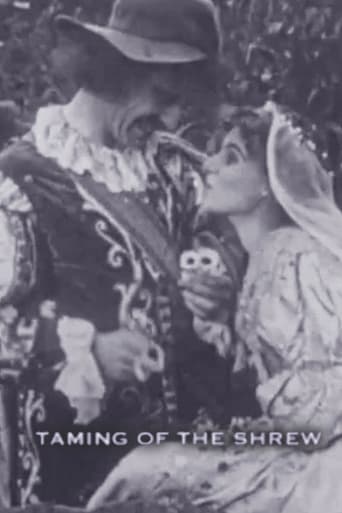
Titles linked here include A Submarine Pirate (1915), The Taming of the Shrew (1908).
When was Charles Avery born and when did he die?
Born May 28, 1873; died July 23, 1926.
What awards did Charles Avery win?
Charles Avery did not receive any major awards during his career, as he worked during the early silent film period before most formal film awards were established. His contributions are recognized primarily through his influence on early cinema.
What was Charles Avery's directing style?
Avery's directing style was characterized by energetic pacing, innovative visual gags, and elaborate physical comedy sequences typical of Keystone Studios. He was known for coordinating complex ensemble scenes and incorporating technical innovations like special effects into his comedies.
Why did Charles Avery's career end so early?
Avery left the film industry around 1915 at the height of his career for reasons that are not clearly documented in historical records. He was only about 42 years old when he retired from filmmaking, making his early departure from the industry somewhat unusual.
Did Charles Avery work with Charlie Chaplin?
Yes, Avery directed Charlie Chaplin in several early films during Chaplin's time at Keystone Studios in 1914-1915. These collaborations occurred during Chaplin's formative years before he became the international superstar he would later become.