The Cardinal's Conspiracy
"A royal woman rejects her arranged marriage."
Keys: Space play/pause · ←/→ 10s · F fullscreen · M mute · </> speed
About this film
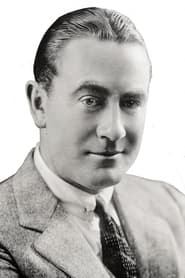
He arranges with 4 clowns to stage an attack on the princess which he easily repels. It works; the princess falls for him, especially when the cardinal arranges his A royal woman rejects her arranged marriage. The cardinal hatches a plan: the suitor will shave and change clothes.
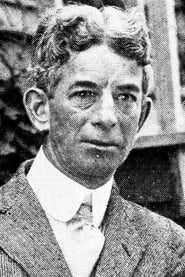
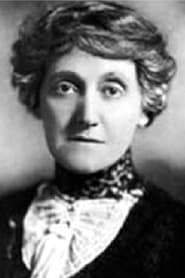
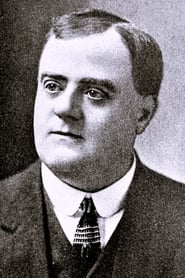
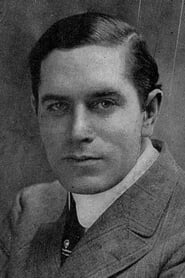
Cast & crew
More films like this


More Drama films
View all →







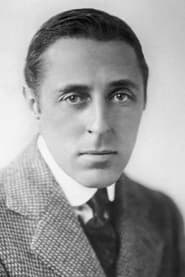
More from D.W. Griffith
View all →
More about this film
About the production
Release dateOctober 1909
ProductionAmerican Mutoscope and Biograph Company
Filmed inNew York City, Fort Lee, New Jersey
One of hundreds of short films D.W. Griffith directed for Biograph during their peak production period. The film was shot in just one or two days, typical of Biograph's rapid production schedule. The use of clowns in the staged attack sequence shows Griffith's early experimentation with combining different theatrical traditions in cinema.
Themes
Deception and manipulationArranged marriage vs. romantic loveHeroism and rescue fantasiesTheatricality and performancePower dynamics in courtship
Themes & topics
Historical background
Made in 1909, in United States, under D. W. Griffith, The Cardinal's Conspiracy belongs to silent filmmaking during early cinema when shorts dominated nickelodeon programs.
Why this film matters
Within silent history, D. W. Griffith's name attaches to the work; surviving prints help researchers study silent-era craft; 1909 silent short film.
Making of
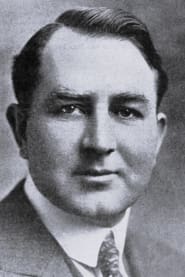
The production was typical of Biograph's factory-like efficiency under Griffith's direction. Frank Powell, who played the suitor, was also a director at Biograph and would later direct Mary Pickford in several films. The use of clowns in the attack sequence shows how Griffith was borrowing from various theatrical traditions to create cinematic spectacle. The film was likely shot on Biograph's indoor stages in New York with minimal sets, as was common for productions of this era. The actors would have performed with exaggerated gestures typical of stage acting, as silent film acting techniques were still being developed.
What critics said
Contemporary reviews of The Cardinal's Conspiracy are sparse in open sources; later catalog entries chiefly summarize plot and credits.
Did you know?
- Was part of D.W. Griffith's incredibly prolific 1909 output, where he directed over 60 short films for Biograph
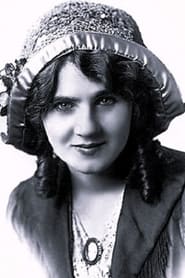
- Florence Lawrence, often called 'The First Movie Star', was one of Biograph's biggest attractions before her famous defection to IMP
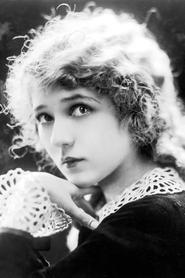
- Mary Pickford appears in a supporting role, just before she would become famous actresses in cinema history
- Griffith's early use of cross-cutting and narrative complexity that would later define his style
- Biograph films from this period were typically shot on 35mm film but released in both 35mm and 68mm formats
- The cardinal character represents Griffith's early fascination with religious authority figures as dramatic antagonists
- Was released during the height of the nickelodeon boom, when short films were the primary form of cinematic entertainment
- The plot device of staging a rescue to win affection would become a recurring trope in romantic films throughout cinema history
Visual style
The cinematography was handled by Biograph's regular cameramen, likely Arthur Marvin or G.W. Bitzer. The visual style would have been characteristic of the period: static camera positions, theatrical staging, and flat lighting. The film would have been shot in black and white on 35mm film, with intertitles used to explain key plot points. The composition would follow the theatrical convention of keeping the entire action in frame, though Griffith was beginning to experiment with closer shots for emphasis.
Innovations
While not technically innovative for its time, the film demonstrates Griffith's growing mastery of narrative construction within the constraints of early cinema. The use of multiple locations and the coordination of the staged attack sequence show increasing production sophistication. The film represents the refinement of continuity editing that Griffith was helping to establish as the norm for American cinema.
Music
As a silent film, it had no synchronized soundtrack. In nickelodeon theaters, it would have been accompanied by live music, typically a pianist playing popular songs or classical pieces appropriate to the mood of each scene. The music would have been improvised or selected from cue sheets provided by Biograph, suggesting musical themes for different types of scenes (romantic, dramatic, action, etc.).
Famous quotes
No recorded dialogue exists as this is a silent film
Memorable scenes
- The staged attack sequence where four clowns pretend to assault the princess, only to be 'heroically' defeated by the disguised suitor in a carefully choreographed display of manufactured valor
What audiences thought
Audiences in 1909 would have received this film as typical entertainment for the nickelodeon circuit. The melodramatic plot, clear hero-villain dynamics, and romantic elements were exactly what audiences of the period expected. The presence of popular Biograph regulars like Lawrence and Pickford would have been a draw for regular moviegoers who were beginning to recognize and follow favorite actors. The film's straightforward narrative and visual storytelling would have been easily understood by the diverse, often immigrant audiences who frequented nickelodeons.
Film connections
Influenced by
- Stage melodramas
- Commedia dell'arte (through the clowns)
- Shakespearean romance plots
- 19th century theatrical conventions
This film influenced
- Later Griffith Biograph shorts with similar romantic plots
- The development of romantic comedy tropes in cinema
- Staged rescue scenarios in later films
Film restoration
Believed to be preserved in the Library of Congress collection as part of the Paper Print collection, where early Biograph films were archived on paper rolls for copyright purposes before being transferred back to film in the mid-20th century
Where to watch
- Available on various public domain streaming platforms
- Part of DVD collections of early D.W. Griffith films
- Accessible through film archive websites like the Internet Archive