
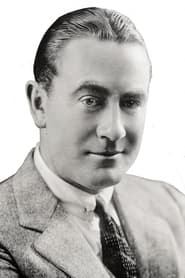
Owen Moore
Actor
Born: December 12, 1886 in Fordstown Crossroads, County Meath, Ireland Died: June 9, 1939 Active: 1908-1937
Films
31 films
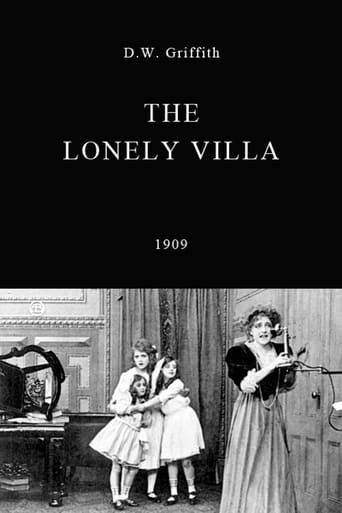
The Lonely Villa
1909
1776, or The Hessian Renegades
1909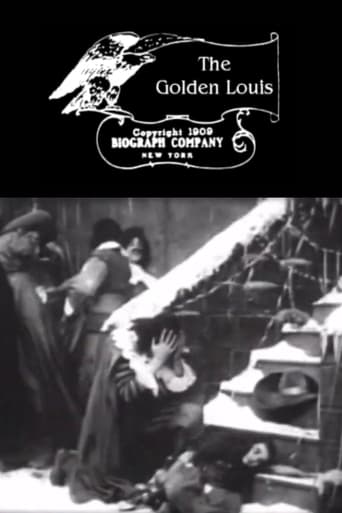
The Golden Louis
1909
Cinderella
1914
The Violin Maker of Cremona
1909
A Strange Meeting
1909
The Faded Lilies
1909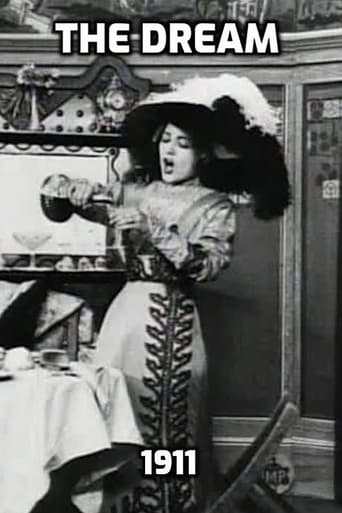
The Dream
1911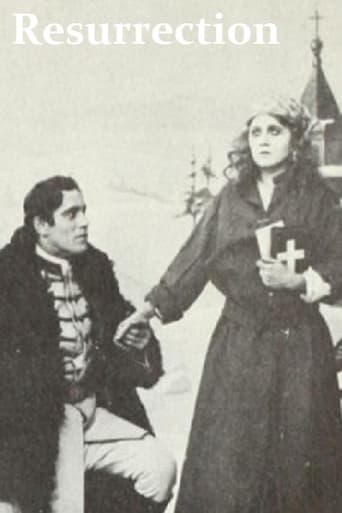
Resurrection
1909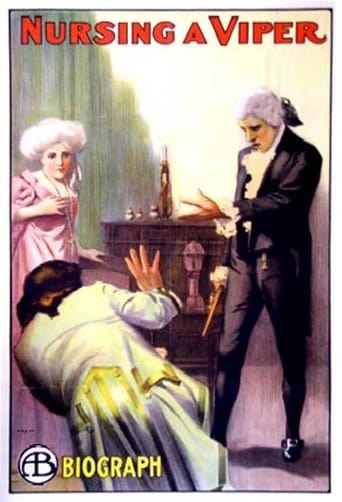
Nursing a Viper
1909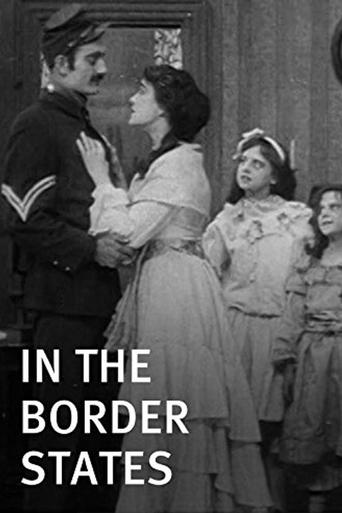
In the Border States
1910
The Mountaineer's Honor
1909
The Necklace
1909
The Redman's View
1909
What Drink Did
1909
The Cardinal's Conspiracy
1909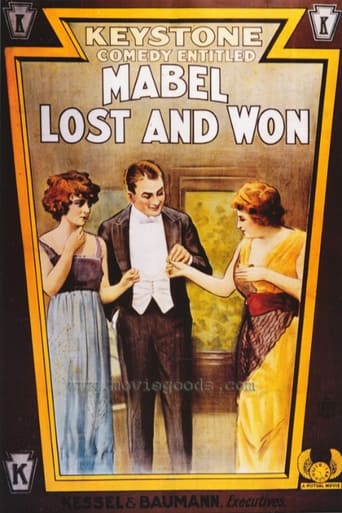
Mabel Lost and Won
1915
Two Memories
1909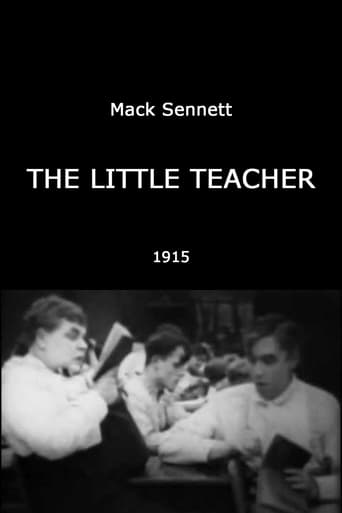
The Little Teacher
1915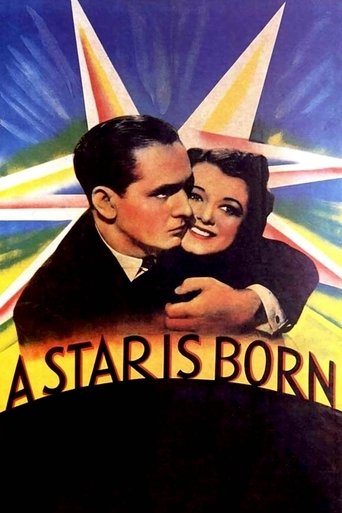
A Star Is Born
1937
Eradicating Aunty
1909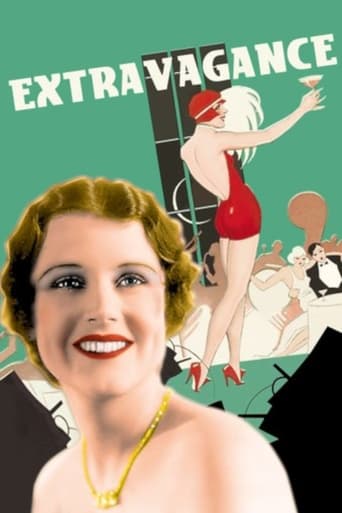
Extravagance
1930
The Joneses Have Amateur Theatricals
1909
Pippa Passes
1909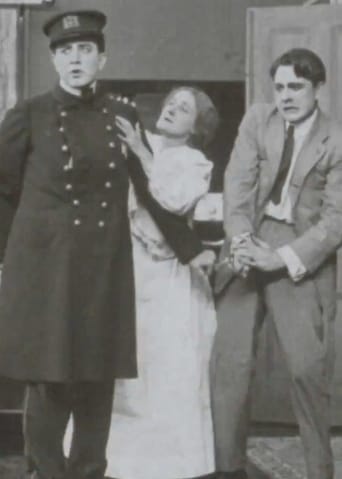
His Duty
1909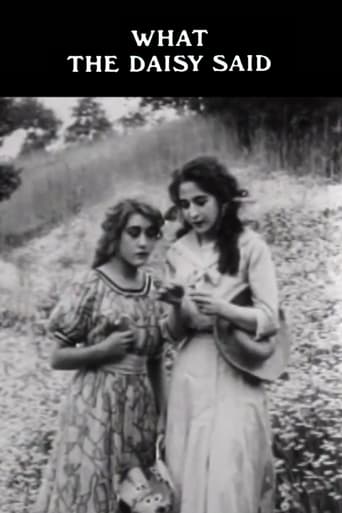
What the Daisy Said
1910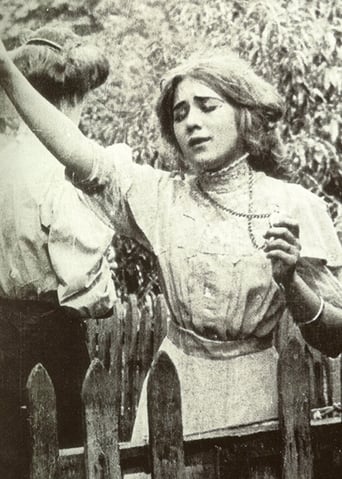
The Broken Locket
1909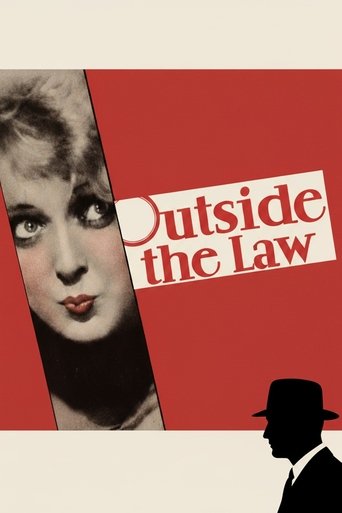
Outside the Law
1930
The Cricket on the Hearth
1909
The Lesser Evil
1912About Owen Moore
Irish-American actor who rose to prominence during the silent film era as one of D.W. Griffith's leading men at the Biograph Studio. Born in County Meath, Ireland, he emigrated to the United States as a child and began his film career in 1908, quickly becoming a regular in Griffith's shorts. Moore's career reached new heights when he married America's Sweetheart, Mary Pickford, in 1911, making them one of Hollywood's first power couples. Throughout the 1910s, he starred in numerous successful films, transitioning from shorts to features and establishing himself as a reliable romantic lead. However, his career trajectory was complicated by personal struggles, particularly with alcoholism, and the immense shadow cast by his wife's unprecedented fame. After his divorce from Pickford in 1920, Moore continued working steadily but never regained his earlier star status, though he successfully navigated the transition to sound films. By the 1930s, he was relegated to supporting roles in B-pictures, appearing in over 200 films before his death at age 52, leaving behind a legacy as one of cinema's early pioneers who witnessed and participated in the birth of Hollywood.
The Craft
On Screen
Moore embodied the theatrical, exaggerated acting style typical of the silent era, using broad gestures and dramatic facial expressions to convey emotion. His performances were characterized by romantic intensity and melodramatic flair, making him particularly effective in the short-form storytelling of early cinema. As films evolved, Moore adapted his style to become more naturalistic, though he always maintained a certain theatrical gravitas that reflected his stage background. His screen presence was commanding yet vulnerable, allowing him to excel in both heroic and tragic roles.
Milestones
- Leading man for D.W. Griffith at Biograph Studio
- Marriage to Mary Pickford (1911-1920)
- Star of over 200 films
- Successful transition from silent to sound films
- Pioneer of early American cinema
- Member of the Moore acting dynasty
Best Known For
Iconic Roles
Must-See Films
Accolades
Special Recognition
- Hollywood Walk of Fame star (6607 Hollywood Boulevard)
Working Relationships
Worked Often With
Studios
Why They Matter
Impact on Culture
Owen Moore's significance lies in his role as one of the first true movie stars and his participation in the birth of American cinema. As a leading man in D.W. Griffith's innovative Biograph shorts, he helped establish the visual language and storytelling techniques that would define film for decades. His marriage to Mary Pickford made them one of Hollywood's first celebrity couples, setting a precedent for the intersection of personal lives and public fame that would become a hallmark of Hollywood culture. Moore's career trajectory—from leading man to supporting character actor—exemplified the challenges faced by silent film stars adapting to the talkies era. His Irish heritage also contributed to the diversity of early Hollywood, helping establish the industry as a melting pot of international talent.
Lasting Legacy
Though largely overshadowed in historical accounts by his more famous ex-wife and contemporaries, Owen Moore's legacy endures through his extensive filmography and his role in cinema's formative years. His performances in over 200 films provide a valuable record of the evolution of acting styles from theatrical melodrama to naturalistic screen performance. As part of the Moore acting dynasty (alongside brothers Tom, Matt, and Joe), he contributed to establishing Irish-American actors as a significant presence in early Hollywood. His story serves as a cautionary tale about the perils of early fame and the difficulty of maintaining stardom in the rapidly changing film industry. Moore's work continues to be studied by film historians and silent cinema enthusiasts for its historical significance and artistic merit.
Who They Inspired
Moore influenced early film acting through his work with Griffith, helping establish the conventions of screen performance for romantic leads. His transition from shorts to features provided a model for other actors navigating the evolving film industry. While he didn't directly mentor famous protégés, his professional struggles and adaptation to sound films offered lessons for subsequent generations of actors facing technological and industry changes. His marriage and divorce from Pickford also influenced Hollywood's understanding of celebrity relationships and their impact on careers.
Off Screen
Moore's personal life was marked by both glamour and tragedy. His marriage to Mary Pickford in 1911 made headlines, but their union was troubled by his jealousy over her success and his struggles with alcohol. The couple separated in 1916 and divorced in 1920, with Pickford famously declaring that Moore had 'drunk up' her earnings. After Pickford, Moore married actress Katherine Perry in 1921, with whom he remained until his death. He had no children. Moore's later years were characterized by declining health and career prospects, though he maintained his marriage to Perry. His death from a heart attack at age 52 marked the end of a life that had spanned the entire transformation of American cinema from its infancy to the golden age of Hollywood.
Education
Limited formal education; trained in theater and acting through practical experience
Family
- Mary Pickford (1911-1920)
- Katherine Perry (1921-1939)
Did You Know?
- Was one of five Moore brothers who became actors in Hollywood
- Met Mary Pickford when she was just 17 and he was 24
- His alcoholism was a major factor in his divorce from Pickford
- Appeared in the first film to win an Academy Award for Best Picture, 'Wings' (1927), though in a small role
- His brother Tom Moore was also married to a silent film star, Renée Adorée
- Was paid $50 per week at Biograph, while Pickford earned $40
- After his divorce from Pickford, she paid him $100,000 settlement
- Made his film debut in 'The Heart of a Cowboy' (1908)
- Worked as a railroad brakeman before entering films
- His last film appearance was in 'The Great Gambini' (1937)
In Their Own Words
On his marriage to Mary Pickford: 'I was a star when I married her, but she became a sun that eclipsed all other stars.'
On acting in early films: 'We had no scripts, no direction beyond Griffith's commands. We had to invent everything as we went along.'
On the transition to sound: 'The talkies didn't kill my career, but they certainly wounded it. My voice wasn't what audiences expected.'
Frequently Asked Questions
Who was Owen Moore?
Irish-American with credits in this catalog.W. Griffith's leading men and as the first husband of Mary Pickford. He appeared in over 200 films between 1908 and 1937, helping establish the foundations of American cinema.
What films is Owen Moore best known for?
Titles linked here include The Sealed Room (1909), The Lonely Villa (1909).
When was Owen Moore born and when did he die?
Born December 12, 1886; died June 9, 1939.
What awards did Owen Moore win?
While Owen Moore did not receive major acting awards during his lifetime, he was posthumously honored with a star on the Hollywood Walk of Fame at 6607 Hollywood Boulevard for his contributions to the film industry.
What was Owen Moore's relationship with Mary Pickford?
Owen Moore married Mary Pickford in 1911, making them one of Hollywood's first celebrity couples. Their marriage was troubled by his alcoholism and jealousy over her success, leading to their separation in 1916 and divorce in 1920.
How did Owen Moore's career change with the advent of sound films?
Moore successfully transitioned to sound films but saw his star status decline. While he continued acting through the 1930s, he was relegated to supporting roles in B-pictures rather than the leading roles he enjoyed during the silent era.
Was Owen Moore related to other actors?
Yes, Owen Moore was one of five brothers who became actors in Hollywood. His brothers Tom, Matt, and Joe Moore also had successful acting careers, making the Moores one of early Hollywood's most prominent acting families.
What was Owen Moore's acting style like?
Moore's acting style reflected the theatrical, exaggerated approach typical of the silent era, using broad gestures and dramatic facial expressions. He specialized in romantic leads with emotional intensity and melodramatic flair, adapting his style to become more naturalistic as film techniques evolved.