

The Violin Maker of Cremona
"1909 film by D. W. Griffith"
Keys: Space play/pause · ←/→ 10s · F fullscreen · M mute · </> speed
About this film
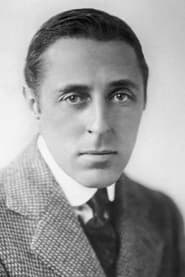
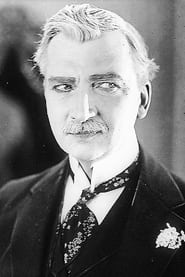
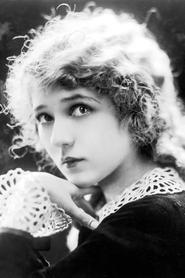
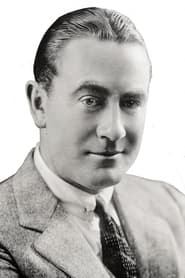
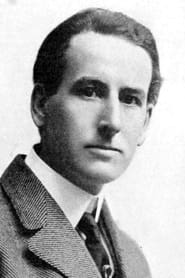
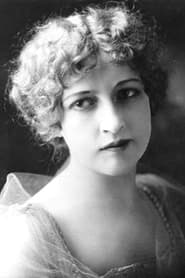
Griffith and starring Herbert Prior and Mary Pickford. The same story was filmed again in 1910 by Pathé.
Cast & crew
More films like this

More Drama films
View all →







More from D.W. Griffith
View all →
More about this film
About the production
Release dateOctober 11, 1909
ProductionAmerican Mutoscope and Biograph Company
Filmed inBiograph Studio, New York City
This film was produced during D.W. Griffith's prolific period at Biograph, where he directed approximately 450 short films between 1908 and 1913. The production utilized Biograph's signature 70mm film format, which provided exceptional image quality for the era. The sets were designed to evoke 17th-century Cremona, Italy, despite being filmed entirely in New York. This was one of Mary Pickford's early appearances before she became 'America's Sweetheart' and a major star. The film was shot in just one or two days, typical of Biograph's rapid production schedule during this period.
Themes
Self-sacrificeUnrequited lovePhysical disability and social acceptanceArtistic integrityCompetition and rivalry
Themes & topics
Historical background
The Violin Maker of Cremona (1909) circulated in the first decade of projected cinema. Griffith and starring Herbert Prior and Mary Pickford. Contemporary trade papers and later preservation notes document its place among nickelodeon and cinema-club programs.
Why this film matters
The Violin Maker of Cremona remains accessible to researchers and viewers as a screen title in museum, archive, and streaming collections. Programmers cite it when tracing regional production history and surviving early prints.
Making of
The production of 'The Violin Maker of Cremona' took place during a transformative period in D.W. Griffith's career as he was developing his cinematic language and storytelling techniques. Working within the constraints of Biograph's rapid production schedule, Griffith had to complete filming in just a day or two while maintaining artistic quality. Mary Pickford, though not yet the superstar she would become, was already showing the screen presence that would make her famous. The film's sets were constructed in Biograph's Manhattan studio, with detailed attention to recreating the atmosphere of 17th-century Italy. The cast worked without the benefit of location shooting or extensive rehearsals, relying on their theatrical training and Griffith's emerging directorial guidance. The film was shot using natural light from the studio's glass ceiling, a common practice before sophisticated lighting equipment became standard.
What critics said
Day-one reviews for The Violin Maker of Cremona are sparse in digitized press archives; later criticism treats it as a reference point for 1909 cinema programming and preservation.
Did you know?
- This film represents one of the earliest collaborations between D.W. Griffith and Mary Pickford, who would both become legends of cinema.
- The film was shot on Biograph's unique 70mm film stock, which provided superior image quality but was abandoned by the industry in favor of 35mm.
- Mary Pickford was only 17 years old when she appeared in this film, early in her career before she became widely known actresses in the world.
- The theme of disability and self-sacrifice was relatively progressive for 1909, addressing social issues that were rarely depicted in early cinema.
- This film was part of Biograph's strategy to produce films with European settings to appeal to immigrant audiences in America.
- The violin-making craft was authentically researched for the production, with attention to period-appropriate tools and techniques.
- This film survives today in the Library of Congress collection, one of the fortunate early Biograph films to have been preserved.
- The running time of 11 minutes was considered relatively lengthy for a single-reel film of this era.
- D.W. Griffith was experimenting with narrative complexity during this period, moving away from the simple chase comedies that dominated early cinema.
- The film's release coincided with the peak of Cremona's historical reputation as the world's finest violin-making center.
Visual style
The cinematography by G.W. Bitzer, Griffith's regular cameraman at Biograph, utilized the company's signature 70mm film format, which provided exceptional clarity and detail for the period. The film employed static camera positions typical of the era, but Griffith was already beginning to experiment with camera placement and framing to enhance emotional impact. The lighting relied primarily on natural light from Biograph's glass-roofed studio, creating a soft, naturalistic look that was ahead of its time. The composition of shots showed Griffith's emerging understanding of visual storytelling, with careful attention to the placement of actors within the frame to convey relationships and emotions. The film's visual style was more sophisticated than many contemporary productions, reflecting Griffith's artistic ambitions.
Innovations
While not groundbreaking in technical innovation, 'The Violin Maker of Cremona' demonstrated several technical achievements typical of Biograph's high production standards. The use of 70mm film stock provided superior image quality compared to the 35mm that would become industry standard. The film's editing showed Griffith's growing sophistication in narrative pacing and continuity. The production design and costumes successfully created the illusion of 17th-century Italy despite being filmed in a New York studio. The film's relatively complex narrative structure for its running time represented an advancement in cinematic storytelling capabilities.
Music
As a silent film from 1909, 'The Violin Maker of Cremona' had no synchronized soundtrack. Musical accompaniment would have been provided live in theaters, typically by a pianist or small ensemble. The music would have been selected from existing classical pieces or popular songs of the era, chosen to match the mood of each scene. Given the film's setting and subject matter, it's likely that Italian-themed music or classical violin pieces would have been featured prominently in the accompaniment. The title itself suggests that music would have been an important element of the exhibition experience, with theater musicians likely incorporating violin melodies into their performance.
Famous quotes
Dialogue from this silent film is not preserved in written form, as intertitles were not commonly used in Biograph films of this era.
Memorable scenes
- The climactic scene where Filippo switches the violins, demonstrating his self-sacrificing love for Giannina despite his own feelings and physical limitations.
- The final revelation scene where the truth about the violin switch is discovered, leading to the emotional resolution of the story.
- The opening scenes establishing the contest in Cremona and the romantic tensions between the three main characters.
What audiences thought
Audiences in 1909 received 'The Violin Maker of Cremona' positively, as evidenced by Biograph's continued success during this period. The film's emotional story and romantic elements appealed to the increasingly diverse nickelodeon audiences, particularly women who were becoming an important demographic for movie theaters. The Italian setting likely resonated with the large Italian immigrant population in American cities. The film's themes of sacrifice and unrequited love were familiar to audiences raised on melodramatic literature and theater, making it accessible despite the new medium. Contemporary accounts suggest that audiences were particularly moved by the film's emotional conclusion, demonstrating cinema's growing power to affect viewers emotionally.
Film connections
Influenced by
- Victorian melodrama
- Italian opera traditions
- 19th-century romantic literature
- Theatrical conventions of the early 1900s
This film influenced
- Other Biograph productions of 1909-1910
- Later Griffith films dealing with sacrifice and redemption
- Early dramatic shorts that explored complex emotional themes
Film restoration
The film is preserved in the Library of Congress collection as part of the Paper Print collection. Early Biograph films were copyrighted on paper prints, which has allowed many of these early works to survive. The film has been transferred to modern media and is available for scholarly viewing and archival purposes. While not widely distributed to the public, the preservation status is considered good for a film of this vintage.
Where to watch
- The film is available through the Library of Congress's archival collections for research purposes
- It may be included in specialized DVD collections of D.W. Griffith's early work
- Some film archives and museums with early cinema collections may have viewing copies
- Online platforms specializing in public domain or archival films occasionally feature it