Violet Mersereau
Actor
Born: January 2, 1892 in New York City, New York, USA Died: November 12, 1975 Active: 1908-1925
Films
8 films
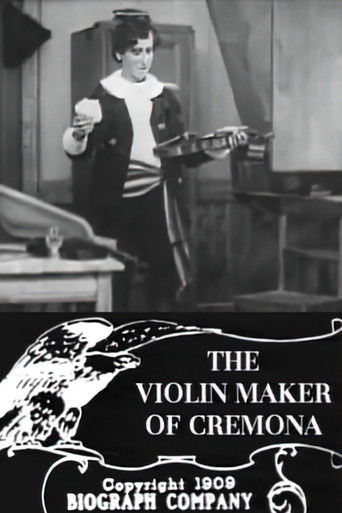
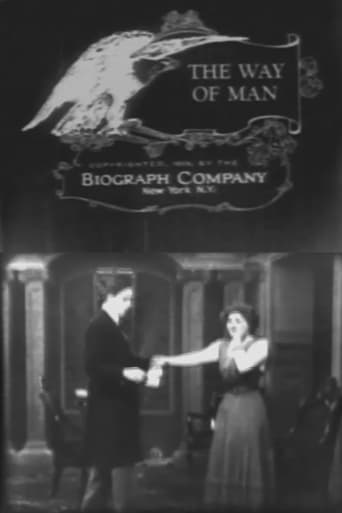
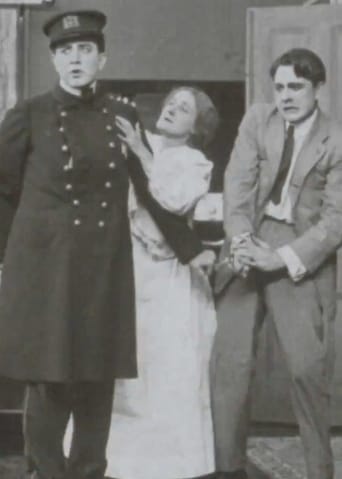

About Violet Mersereau
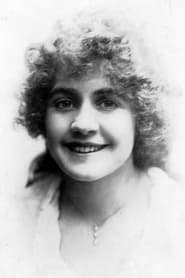
American actress who rose to prominence during the dawn of cinema, becoming recognizable faces of the silent film era. Born in New York City in 1892, she began her career as a child performer on stage before transitioning to motion pictures with the Biograph Company in 1908. Mersereau quickly became a favorite of director D.W. Griffith, appearing in numerous Biograph shorts that helped establish the visual language of cinema. Throughout the 1910s, she starred in over 100 films, often portraying innocent, sweet-natured young women in melodramas and comedies. She worked alongside early film icons including Mary Pickford, Mack Sennett, and Lionel Barrymore, helping to define the emerging star system in Hollywood. As the film industry evolved, Mersereau successfully transitioned from shorts to feature films, though her career waned as the 1920s progressed. She retired from acting in the mid-1920s, leaving behind a remarkable body of work that represents some of the earliest examples of American narrative cinema.
The Craft
On Screen
Mersereau was known for her naturalistic yet expressive acting style that was well-suited to the demands of silent cinema. She specialized in portraying innocent, virtuous young women with emotional depth and sincerity. Her performances featured subtle facial expressions and graceful body language that could convey complex emotions without dialogue. Unlike many of her contemporaries who relied on theatrical gestures, Mersereau developed a more restrained and intimate approach that helped establish the foundations of screen acting technique.
Milestones
- Signed with Biograph Company in 1908, beginning her film career
- Became one of D.W. Griffith's favorite actresses, appearing in over 50 Biograph shorts
- Transitioned successfully from shorts to feature films in the 1910s
- Appeared in over 100 films during her career
- Worked with virtually all major early film stars and directors
Best Known For
Iconic Roles
Must-See Films
Accolades
Special Recognition
- Pioneer of American cinema recognized in film history books
- Featured in retrospectives of early American film at major film festivals
Working Relationships
Worked Often With
Studios
Why They Matter
Impact on Culture
Violet Mersereau played a significant role in the development of American cinema as one of the first true film stars. Her work with D.W. Griffith at Biograph helped establish many of the storytelling techniques and visual conventions that would define narrative cinema. As. Her naturalistic acting style influenced subsequent generations of performers, helping to move screen acting away from theatrical gestures toward more subtle and realistic performances appropriate for the intimate medium of film.
Lasting Legacy
Violet Mersereau's legacy lies in her substantial contribution to the foundation of American narrative cinema during its formative years. Though largely forgotten by general audiences today, film historians recognize her as an important pioneer who appeared in some of the most technically and artistically significant films of the early cinema era. Her body of work, particularly her collaborations with D.W. Griffith, represents a crucial chapter in the evolution of film language and the development of screen acting techniques. Mersereau's career trajectory from Biograph shorts to feature films mirrors the broader development of the American film industry itself, making her an important figure for understanding this transitional period in cinema history.
Who They Inspired
Mersereau influenced early screen acting through her more naturalistic approach, which contrasted with the theatrical style common in early cinema. Her work helped demonstrate that subtlety and restraint could be more effective on screen than exaggerated gestures. Younger actresses at Biograph and other studios studied her performances to learn the emerging craft of film acting. Her success in transitioning from shorts to features also provided a model for other early film actors seeking to adapt as the industry evolved.
Off Screen
Violet Mersereau led a relatively private life away from the spotlight, focusing on her family after retiring from acting. She married twice during her lifetime, first to actor-director Harry Solter, who was significantly older than her and served as both her husband and director during her Biograph years. After Solter's death, she married James M. Kirk, with whom she spent her later years. The couple eventually settled in San Diego, California, where Mersereau lived until her death in 1975 at the age of 83. Despite her early fame, she maintained a low profile in retirement and rarely gave interviews about her film career.
Education
Educated in New York City schools; received early training in dramatic arts through stage experience
Family
- Harry Solter (1912-1920)
- James M. Kirk (1925-1975)
Did You Know?
- Began her film career at just 16 years old in 1908
- Appeared in more films in 1909 alone than many actors make in their entire careers
- Was one of the few Biograph actresses to successfully transition to feature films
- Her first husband Harry Solter was 24 years her senior
- Worked with virtually every major early film star and director
- Was frequently typecast as the 'sweet innocent' due to her youthful appearance
- Many of her Biograph films are now considered lost, a common fate for early cinema
- Retired from acting before the transition to sound films began
- Lived to be 83 years old, outlasting most of her early film contemporaries
- Her films are now studied by film historians as examples of early American narrative cinema
In Their Own Words
In those early days at Biograph, we were all pioneers. We didn't know we were making history, we were just trying to tell stories with this new moving picture machine.
Mr. Griffith taught us that the camera sees everything, even the smallest twitch of an eye. You had to learn to be real, not theatrical, or the audience would know you were faking.
Frequently Asked Questions
Who was Violet Mersereau?
American actress who was prominent during the silent film era, particularly known for her work with D.W. Griffith at the Biograph Company. She appeared in over 100 films between 1908 and 1925, becoming one of the first true film stars in American cinema.
What films is Violet Mersereau best known for?
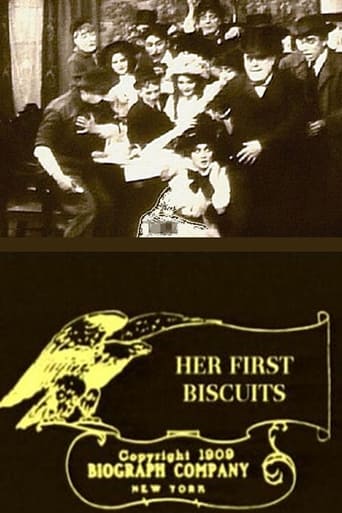
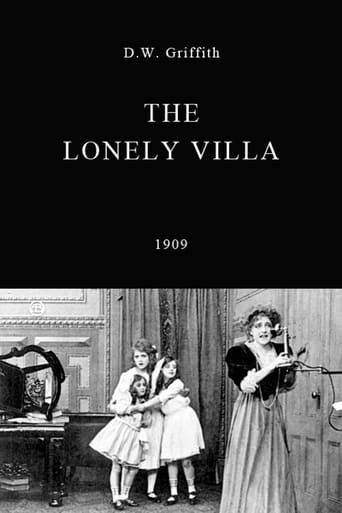
Titles linked here include Her First Biscuits (1909), The Lonely Villa (1909).
When was Violet Mersereau born and when did she die?
Born January 2, 1892; died November 12, 1975.
What awards did Violet Mersereau win?
Violet Mersereau did not receive major formal awards during her career, as the award systems we know today were not established during her active years. However, she is recognized by film historians as a figure in early American cinema.
What was Violet Mersereau's acting style?
Mersereau was known for her naturalistic and restrained acting style, which was innovative for the time. She specialized in portraying innocent young women with emotional depth, using subtle facial expressions rather than theatrical gestures, helping to establish screen acting techniques appropriate for the intimate medium of film.