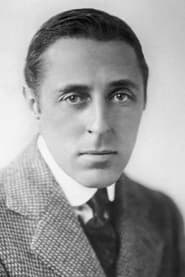
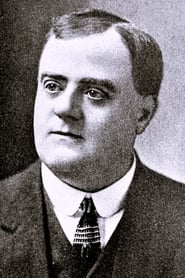
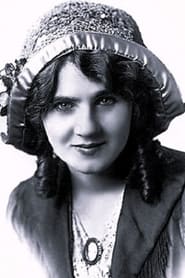
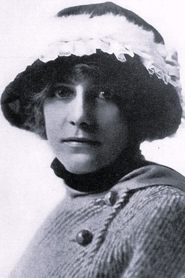
Her First Biscuits
"One bite of a bride's biscuits poisons an entire office."
Keys: Space play/pause · ←/→ 10s · F fullscreen · M mute · </> speed
About this film
Disastrous biscuits a batch of biscuits. Her husband pretends to like them, so she delivers the rest to his office. But one bite of these biscuits makes you violently ill, and soon all his visitors (he runs a theatrical booking agency), plus the workmen at home, are ill; when she shows up at the office, they all go after her.
Cast & crew
More films like this

More Comedy films
View all →







More from D.W. Griffith
View all →
More about this film
About the production
Release dateMarch 29, 1909
Box officeNot tracked individually for short films in this era
ProductionAmerican Mutoscope and Biograph Company
Filmed inBiograph Studio, New York City, New York, Fort Lee, New Jersey (possible location)
Filmed in a single day as was typical for Biograph one-reelers. The film was shot on 35mm film with Biograph's unique 68mm format before being reduced to 35mm for distribution. The production used natural lighting from studio skylights, as electric lighting was not yet standard in film production.
Themes
Domestic life and marriageGender roles and expectationsComedy of errorsSocial embarrassmentThe perils of dishonesty
Themes & topics
biscuitscooking disasternewlywedspoisoningchaseoffice comedydomestic comedypractical joke gone wrong
Historical background
Audiences around 1909 encountered Her First Biscuits in a market crowded with competing studios fighting for weekly program slots.
Why this film matters
Collectors prize surviving prints of Her First Biscuits as evidence of how 1909-era filmmakers solved storytelling problems with limited means.
Making of
The production of 'Her First Biscuits' was typical of Biograph's factory-like approach to filmmaking in 1909. Griffith would often arrive at the studio in the morning with a basic script outline and complete filming by afternoon. The cast and crew worked quickly and efficiently, with minimal rehearsal time. Florence Lawrence, already becoming one of Biograph's most reliable performers, would have been expected to deliver her performance with minimal direction. The chase sequence at the end was a Griffith specialty, requiring careful coordination among multiple actors to create the chaotic comedic effect. The film was likely shot using natural light from the studio's large glass ceiling, as artificial lighting equipment was still primitive and expensive. The entire production would have been completed in a matter of hours, from setup to final take.
What critics said
Modern retrospectives screen Her First Biscuits for craft context: performances, pacing, and camera choices that illustrate 1909 norms more than revolutionary leaps.
Did you know?
- This film features Florence Lawrence, often called 'The First Movie Star,' before she was widely known by name to the public
- The film was released during the period when actors were not appeared in films to prevent them from demanding higher salaries
- Director D.W. Griffith was only 24 years old when he made this film, early in his groundbreaking career
- The film demonstrates Griffith's early mastery of comedic timing and chase sequences, which would become hallmarks of his later work
- Biograph films from this period were shot on a proprietary 68mm film format, which provided exceptional image quality for the time
- The theatrical booking agency setting reflects Griffith's own early career struggles and knowledge of the entertainment industry
- This film was part of Biograph's aggressive production schedule, which sometimes required Griffith to direct multiple films in a single day
- The film's domestic comedy theme was popular with early cinema audiences, particularly the growing middle class
- Linda Arvidson, who appears in this film, was Griffith's first wife and frequently acted in his early Biograph productions
- The film survives today in archives, making it one of the relatively few Griffith Biograph shorts that has not been lost
Visual style
The cinematography for 'Her First Biscuits' was typical of Biograph productions of 1909. The film was shot by Biograph's regular cameramen, likely G.W. 'Billy' Bitzer or Arthur Marvin. The camera remained static for most scenes, as was standard practice, with careful composition to ensure all action remained within frame. The film was shot on Biograph's proprietary 68mm film stock, which provided superior image quality and detail compared to the standard 35mm film used by other companies. Natural lighting from the studio's glass ceiling created the high-key lighting typical of the era. The cinematography emphasized clarity and readability of the action, which was crucial for audiences still learning to understand cinematic storytelling.
Innovations
While not technically innovative in itself, 'Her First Biscuits' benefited from Biograph's superior film stock and production standards. The use of 68mm film provided exceptional image clarity for the period. The film demonstrates Griffith's early mastery of continuity editing and narrative pacing within the constraints of single-reel format. The chase sequence at the film's conclusion shows sophisticated blocking and timing for the era. The film's clear storytelling and effective use of limited runtime represent important steps in the development of cinematic narrative techniques.
Music
As a silent film, 'Her First Biscuits' would have been accompanied by live music during exhibition. The type of musical accompaniment varied by venue, ranging from a single piano in smaller nickelodeons to small orchestras in more elaborate theaters. The music would have been selected from existing popular pieces and classical compositions, with faster, more frantic music during the chase sequence. No original score was composed specifically for this film, as was standard practice for shorts of this era. The musical choices would have been left to the individual theater's musical director or pianist.
Famous quotes
(Intertitles were minimal in 1909 films, and specific quotes from this short are not documented in historical records)
Memorable scenes
- The climactic chase sequence where the biscuit-baking bride is pursued through the office by all the people she has inadvertently poisoned, creating a chaotic comedic climax that demonstrates Griffith's early mastery of physical comedy and crowd scenes
What audiences thought
Audience reception for 'Her First Biscuits' would have been gauged primarily through exhibitor feedback and rental returns. Biograph films were consistently popular with nickelodeon audiences, and comedies featuring domestic situations were particularly successful. The film's relatable premise of cooking disasters and marital dynamics would have resonated with contemporary viewers. The physical comedy and chase sequence at the end would have provided the kind of visual entertainment that early cinema audiences craved. Exhibitors who rented Biograph films often reported strong attendance, and films featuring Florence Lawrence were especially popular as audiences began to recognize her from picture to picture, even before she was officially named as a star.
Film connections
Influenced by
- French comedies of the Pathé and Gaumont studios
- Stage comedy traditions
- Earlier Biograph comedy shorts
- Music hall and vaudeville comedy routines
This film influenced
- Later domestic comedy shorts by Griffith
- Mack Sennett Keystone comedies
- Harold Lloyd domestic comedy features
- The 'disaster in the kitchen' comedy subgenre
Film restoration
Preserved - The film survives in the Library of Congress and other film archives. It has been restored and is available on DVD compilations of D.W. Griffith's early Biograph works.
Where to watch
- Available on DVD collections of D.W. Griffith's Biograph films
- Some streaming platforms specializing in classic cinema
- Film archive screenings
- Library of Congress online collections (when available for public viewing)