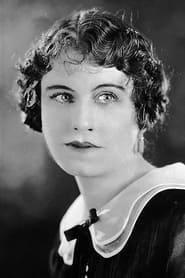
Jeanie Macpherson
Actor
Born: May 18, 1886 in Boston, Massachusetts, United States Died: August 26, 1946 Active: 1908-1946 Birth Name: Jeannie Macpherson
Films
15 films

Enoch Arden
1911
Carmen
1915
Money Mad
1908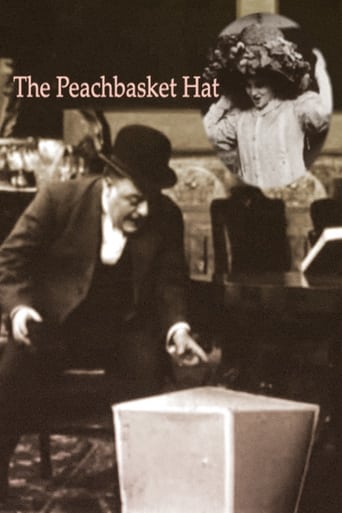
The Peachbasket Hat
1909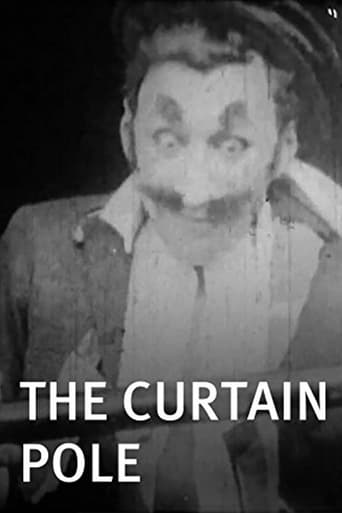
The Curtain Pole
1909
The Faded Lilies
1909
Mr. Jones at the Ball
1908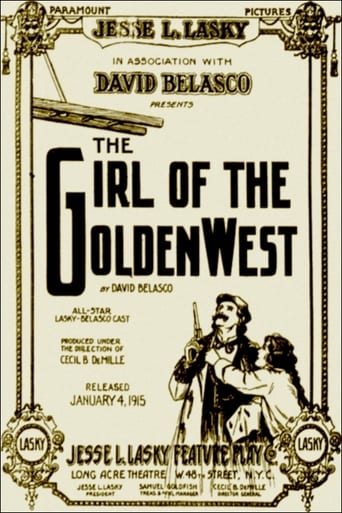
The Girl of the Golden West
1915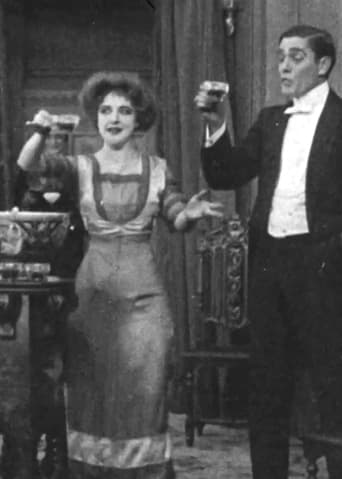
The Day After
1909
The Oath and the Man
1910
The Captive
1915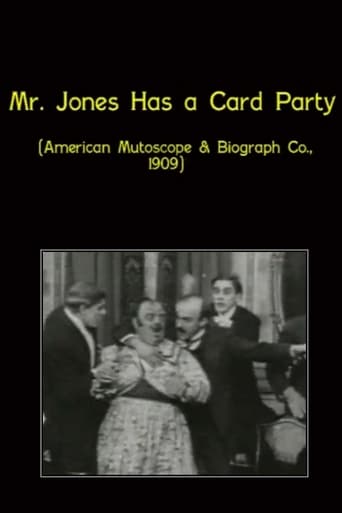
Mr. Jones Has a Card Party
1909
The Fatal Hour
1908
Confidence
1909About Jeanie Macpherson
Jeanie Macpherson (1886-1946) was a figure in early American cinema who began her career as an actress in silent films before transitioning to become one of Hollywood's most influential screenwriters. Born in Boston, Massachusetts, she started acting in 1908 with D.W. Griffith at the American Mutoscope and Biograph Company, appearing in numerous short films during the formative years of cinema. Her acting from 1908 to 1915, during which she worked with some of the era's most prominent directors and appeared in over 100 short films. Recognizing her talent for storytelling, Macpherson gradually shifted her focus to writing screenplays, a move that would define her legacy. She became Cecil B. DeMille's primary screenwriting collaborator, crafting scripts for many of his most celebrated silent films including 'The Cheat' (1915), 'The Ten Commandments' (1923), and 'The King of Kings' (1927). Her writing style was characterized by strong moral themes, dramatic tension, and innovative narrative structures that helped define the golden age of silent cinema. Macpherson continued writing through the transition to sound films, adapting her skills to the new medium while maintaining her position as one of Hollywood's most respected screenwriters until her death in 1946.
The Craft
On Screen
As an actress in the early silent era, Macpherson embodied the dramatic, theatrical style typical of pre-1915 cinema. Her performances featured broad gestures and exaggerated facial expressions necessary to convey emotion without dialogue, a technique honed through her work with D.W. Griffith at Biograph. She often played innocent young women or romantic leads in short melodramas and comedies, adapting her performance style to the limited running times of early one-reel films.
Milestones
- Acted in over 100 silent short films (1908-1915)
- Became Cecil B. DeMille's primary screenwriter (1914-1930s)
- Wrote the screenplay for 'The Cheat' (1915)
- Co-wrote 'The Ten Commandments' (1923)
- Scripted 'The King of Kings' (1927)
- Successfully transitioned from actress to screenwriter
- One of the highest-paid screenwriters of the silent era
Best Known For
Iconic Roles
Must-See Films
Accolades
Won
- Writers Guild of America Laurel Award for Screen Writing Achievement (posthumous)
Nominated
- Academy Award for Best Writing, Adapted Screenplay for 'The Crusades' (1935)
Special Recognition
- Star on the Hollywood Walk of Fame (for contributions to motion pictures)
- Inducted into the Black Film Center/Archive Hall of Fame for her work
- Recognized by the Writers Guild as one of early cinema's most influential screenwriters
Working Relationships
Worked Often With
Studios
Why They Matter
Impact on Culture
Jeanie Macpherson played a crucial role in shaping the narrative structure of American cinema during its formative years. Her screenwriting work with Cecil B. DeMille helped establish many conventions of the Hollywood epic, including the use of spectacle combined with intimate human drama. Macpherson was one of the few women to achieve significant creative power in early Hollywood, paving the way for future female screenwriters. Her scripts often explored themes of morality, redemption, and spiritual awakening, reflecting the cultural values of early 20th-century America while pushing cinematic boundaries. The success of films like 'The Ten Commandments' and 'The King of Kings' demonstrated that biblical epics could be both artistically ambitious and commercially successful, influencing the course of Hollywood filmmaking for decades.
Lasting Legacy
Jeanie Macpherson's legacy lies in her role as one of Hollywood's first successful female screenwriters and her instrumental collaboration with Cecil B. DeMille. Her scripts for some of the most significant silent films ever made continue to be studied for their narrative innovation and thematic depth. Macpherson demonstrated that women could hold positions of creative authority in the male-dominated film industry, inspiring generations of female writers. Her ability to craft compelling stories for both intimate dramas and spectacular epics showcased remarkable versatility and skill. The enduring popularity of the films she wrote, particularly DeMille's biblical epics, ensures that her contributions to cinema history remain relevant and appreciated.
Who They Inspired
Macpherson influenced the development of the Hollywood screenplay format, particularly in the areas of structure and pacing. Her success in transitioning from actress to writer provided a model for other performers seeking creative control over their careers. Her collaboration with DeMille helped establish the director-writer partnership as a cornerstone of Hollywood production. The moral complexity and dramatic tension in her scripts influenced generations of screenwriters who followed. Her work demonstrated the commercial viability of films with strong ethical and spiritual themes, encouraging studios to invest in more sophisticated, message-driven content.
Off Screen
Jeanie Macpherson never married and dedicated her life entirely to her career in cinema. She was known as a private person who maintained few personal relationships outside her professional circle, though she was deeply respected by colleagues for her professionalism and dedication to her craft. Macpherson lived in Los Angeles for most of her adult life and was known for her elegant lifestyle and intellectual pursuits outside of film work. She suffered from poor health in her later years and died of a heart attack at age 60 in her Los Angeles home.
Education
Attended Boston public schools, studied literature and drama at a private finishing school in Boston before moving to New York to pursue a career in theater and film.
Did You Know?
- She appeared in over 100 films as an actress before transitioning to writing
- Her salary as a screenwriter in the 1920s was equivalent to over $500,000 in today's money
- She wrote the first version of 'The Ten Commandments' in just three weeks
- Macpherson was one of the founding members of the Screen Writers Guild
- She maintained a strict writing schedule, often working 12-hour days
- DeMille trusted her so much that he often filmed scenes directly from her first drafts
- She was fluent in French and studied several other languages
- Macpherson — accomplished painter in her private life
- She never gave interviews, preferring to let her work speak for itself
- Her collaboration with DeMille lasted over 20 years and produced more than 20 films
In Their Own Words
A good screenplay must have both spectacle and heart - one without the other is merely entertainment.
The transition from acting to writing taught me that the most powerful emotions are often those left unspoken.
Working with DeMille is like conducting an orchestra - every element must be perfectly timed to create the desired effect.
In silent cinema, every word on the page must earn its place, for the camera cannot lie about unnecessary exposition.
Frequently Asked Questions
Who was Jeanie Macpherson?
American screenwriter and former silent film actress who became Cecil B. DeMille's primary writing collaborator. She began her career as an actress in 1908, appearing in over 100 short films before transitioning to screenwriting, where she wrote many of Hollywood's most celebrated silent films including 'The Ten Commandments' and 'The King of Kings'.
What films is Jeanie Macpherson best known for?
Titles linked here include Money Mad (1908), Mr. Jones at the Ball (1908).
When was Jeanie Macpherson born and when did she die?
Born May 18, 1886; died August 26, 1946.
What awards did Jeanie Macpherson win?
She received a Writers Guild of America Laurel Award for Screen Writing Achievement posthumously and was nominated for an Academy Award for Best Writing, Adapted Screenplay for 'The Crusades' (1935). She also has a star on the Hollywood Walk of Fame for her contributions to motion pictures.
What was Jeanie Macpherson's writing style?
Macpherson's writing style was characterized by strong moral themes, dramatic tension, and innovative narrative structures. She excelled at combining spectacular visual elements with intimate human drama, particularly in her biblical epics. Her scripts often featured complex characters grappling with moral dilemmas and themes of redemption.