


A Star Is Born
"Stardom and self-destruction"
Keys: Space play/pause · ←/→ 10s · F fullscreen · M mute · </> speed
About this film
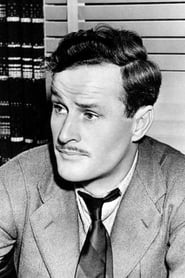
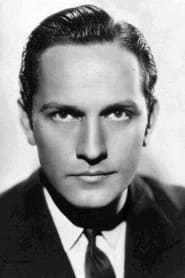
Farm girl Esther Blodgett becomes star Vicki Lester through alcoholic actor Norman Maine's patronage; fame and marriage collapse as his career fades. First A Star Is Born (1937) pairs Janet Gaynor and Fredric March.
Cast & crew
More Drama films
View all →






More from William A. Wellman
View all →

More about this film
About the production
Release dateApril 27, 1937
BudgetApproximately $1.2 million (a substantial sum for the time)
Box officeAround $2.5 million at the box office, making it a commercial success
ProductionSelznick International Pictures, United Artists
Filmed inPrimarily filmed at the Selznick International Studios in Culver City, California, Some location shooting in Hollywood
The film was based on the 1932 film 'What Price Hollywood?' directed by George Cukor. Producer David O. Selznick originally wanted to cast his wife Irene Dunne as Esther/Vicki, but she declined. The film was notable for its realistic portrayal of Hollywood and its behind-the-scenes look at the film industry. Director William A. Wellman clashed with Fredric March during filming due to March's method acting and frequent intoxication on set.
Themes
The price of fame and successAlcoholism and addictionGender dynamics in the entertainment industryThe American Dream and its costsSacrifice in relationships
Themes & topics
Hollywoodstardomalcoholismromancetragedytransformationshow businessfamemarriagecareeraddictionsuccesssacrificebehind-the-scenesfilm industrycelebritydreamsdownfallredemption
Historical background
Released during Hollywood's scrutiny of star mortality and studio power in the late 1930s.
Why this film matters
The rise-and-fall template spawned remakes across decades, making it a Hollywood self-portrait myth.
Making of
Director William A. Wellman was known for his no-nonsense approach and had a reputation for being tough on actors. During filming, he clashed with Fredric March, who was method-acting his alcoholic character and often arrived on set intoxicated. Wellman eventually banned March from drinking before scenes, leading to tension on set. Janet Gaynor, in contrast, was professional and prepared, often rehearsing her scenes extensively. The film's production coincided with the height of the studio system, and David O. Selznick exercised meticulous control over every aspect of production. The party scenes were particularly elaborate, featuring many real Hollywood celebrities of the era as extras. The film's realistic depiction of Hollywood was achieved through careful attention to detail, with sets replicating actual studios and locations. The transformation of Esther into Vicki Lester was a key focus, with costume designer Omar Kiam creating a wardrobe that visually traced her evolution from small-town girl to glamorous star.
What critics said
Critics praised performances; Oscar wins for Gaynor and March cemented its prestige.
Did you know?
- This was the first of four adaptations of the story, followed by versions in 1954 (starring Judy Garland and James Mason), 1976 (starring Barbra Streisand and Kris Kristofferson), and 2018 (starring Lady Gaga and Bradley Cooper).
- Janet Gaynor won the first-ever Academy Award for Best Actress in 1929, making her casting particularly significant.
- The film was nominated for 7 Academy Awards, including Best Picture.
- Fredric March was reportedly difficult to work with during filming, often arriving late and sometimes drunk, which ironically mirrored his character's behavior.
- The character of Norman Maine was loosely based on several real-life Hollywood actors who struggled with alcoholism, including John Barrymore and John Gilbert.
- The famous line 'Hello, everybody. This is Mrs. Norman Maine' was ad-libbed by Janet Gaynor and became defining lines in film history.
- The film's success prompted David O. Selznick to immediately begin planning a sequel, though it never materialized.
- The original script was much darker, with Norman committing suicide, but the Hays Code forced a change to a more ambiguous ending.
- The film's realistic portrayal of Hollywood was considered groundbreaking at the time, showing both the glamour and the dark side of the film industry.
- The role of Esther/Vicki was considered among the leading challenging female roles of the 1930s, requiring the actress to portray a character's transformation from naive farm girl to sophisticated movie star.
Awards & recognition
- Academy Award for Best Writing, Original Story (William A. Wellman and Robert Carson)
- Academy Award for Best Assistant Director (Robert D. Webb)
Visual style
The cinematography by W. Howard Greene and Gregg Toland was notable for its use of deep focus and innovative lighting techniques that highlighted the contrast between Esther's humble beginnings and her glamorous transformation. The film employed a visual progression that mirrored Esther's journey, with early scenes featuring soft, naturalistic lighting that gradually evolved into the high-contrast, glamorous style typical of Hollywood portraits. The party sequences were particularly impressive, utilizing complex camera movements and lighting to create the illusion of a bustling Hollywood gathering. The film's use of shadow and light in Norman's decline scenes effectively conveyed his emotional state without resorting to melodramatic techniques. The cinematography also captured the behind-the-scenes reality of filmmaking, showing cameras, lights, and crew members in ways that were unusual for the time. The visual style of the film balanced the glamour of Hollywood with its darker aspects, creating a rich visual narrative that complemented the story's themes.
Innovations
'A Star Is Born' was technically innovative in several ways. The film's use of sound was particularly advanced for its time, with clear dialogue recording that captured the nuances of the performances. The film also employed sophisticated editing techniques to create seamless transitions between scenes, particularly in the montage sequences showing Esther's rise to stardom. The makeup and transformation sequences were groundbreaking, showing Esther's gradual evolution into Vicki Lester through subtle changes in makeup, hairstyle, and wardrobe. The film's realistic depiction of film sets and production processes required innovative camera techniques to capture the behind-the-scenes action. The lighting design was also notable, particularly in the way it evolved with Esther's character development. The film's special effects, while minimal by today's standards, were effective in creating the illusion of Hollywood glamour and production. The technical achievements of the film contributed to its realistic portrayal of Hollywood and its emotional impact on audiences.
Music
The film's score was composed by Max Steiner, one of Hollywood's most prominent composers, known for his work on 'King Kong' (1933) and 'Gone with the Wind' (1939). Steiner's music effectively underscored the emotional journey of the characters, with leitmotifs that evolved as Esther transformed into Vicki and Norman declined. The film featured several original songs, including 'The Man That Got Away,' which would later become famous in the 1954 remake. The soundtrack also incorporated period-appropriate music that reflected the film's 1930s setting. The use of music in the film was innovative for its time, with Steiner employing techniques that would later become standard in film scoring, such as using specific musical themes to represent characters and their emotional states. The sound design also included realistic depictions of film sets and Hollywood locations, adding to the film's authenticity. The soundtrack contributed significantly to the film's emotional impact, enhancing both the glamour and the tragedy of the story.
Famous quotes
'Hello, everybody. This is Mrs. Norman Maine.' - Esther/Vicki's iconic introduction
'You'll be sorry when I'm gone.' - Norman's poignant warning
'I was born when you kissed me. I died when you left me. I lived a few weeks while you loved me.' - Esther's emotional monologue
'You're not a star until they can spell your name in Karachi.' - Norman's cynical take on fame
'It's the new excuse for having an empty head and a big wallet.' - Norman's dismissal of Hollywood trends
'I'm not going to be the Mrs. Norman Maine who sits at home while her husband goes out and has a good time.' - Esther's declaration of independence
'You're the only person in the world who's ever made me feel like I was worth something.' - Norman to Esther
'I've got a lot of living to do before I die.' - Esther's determination
Memorable scenes
- The Hollywood party scene where Esther first meets Norman, capturing the glamour and chaos of Hollywood society.
- Esther's screen test, showing her nervousness and raw talent that impresses the studio executives.
- The transformation montage where Esther becomes Vicki Lester, visually tracing her evolution through makeup, wardrobe, and attitude changes.
- The wedding scene, combining romance with the beginning of their professional and personal challenges.
- Norman's drunken speech at the awards ceremony, publicly humiliating himself and Esther.
- The beach scene where Norman and Esther have their final heartfelt conversation, revealing their deep love despite the tragedy.
- Esther's final scene, delivering her iconic introduction as 'Mrs. Norman Maine,' showing her strength and resilience.
What audiences thought
'A Star Is Born' was a commercial success upon its release, resonating with Depression-era audiences who were drawn to its tale of rags-to-riches transformation and romantic tragedy. The film's emotional intensity and relatable characters struck a chord with viewers, who found both inspiration and catharsis in Esther's journey. The behind-the-scenes glimpse into Hollywood fascinated audiences, offering them a peek behind the curtain of the movie industry they loved. The film's themes of sacrifice and the price of success resonated particularly strongly during a time when many Americans were struggling economically. The tragic romance between Esther and Norman provided the emotional core that audiences connected with deeply. The film's success at the box office demonstrated the public's appetite for sophisticated dramas that went beyond simple entertainment. Over the decades, the film has maintained its appeal, with classic film enthusiasts and new viewers alike discovering its timeless story and powerful performances.
Film connections
Influenced by
- 'What Price Hollywood?' (1932) - The film that provided the basic story template
- The real-life stories of Hollywood stars like John Barrymore and John Gilbert
- The tradition of backstage musicals and films about show business
- The literature of F. Scott Fitzgerald, particularly 'The Great Gatsby' and 'Tender Is the Night'
- The tradition of Hollywood self-reflexivity in films
This film influenced
- 'A Star Is Born' (1954) - The first remake, starring Judy Garland and James Mason
- 'A Star Is Born' (1976) - The second remake, starring Barbra Streisand and Kris Kristofferson
- 'A Star Is Born' (2018) - The most recent remake, starring Lady Gaga and Bradley Cooper
- 'The Bad and the Beautiful' (1952) - Another film about the dark side of Hollywood
- 'Sunset Boulevard' (1950) - A darker take on Hollywood stardom and decline
- 'All About Eve' (1950) - A film about ambition and stardom in theater
- 'The Player' (1992) - A modern take on Hollywood behind-the-scenes drama
Film restoration
'A Star Is Born' (1937) has been well-preserved and is part of the collection at the Library of Congress. In 2000, the film was selected for preservation in the United States National Film Registry by the Library of Congress as being 'culturally, historically, or aesthetically significant.' The original negative has been maintained, and several restoration efforts have been undertaken to ensure the film's preservation for future generations. The film has been released on various home video formats, including DVD and Blu-ray, with restored versions that showcase the film's original cinematography and sound quality. The preservation status of the film is excellent, particularly compared to many other films from the same era, thanks to its cultural significance and the efforts of film preservationists.
Where to watch
- The Criterion Collection (Blu-ray/DVD)
- Warner Archive Collection (DVD)
- Streaming services: The film is occasionally available on classic film streaming platforms like The Criterion Channel and occasionally on Amazon Prime Video or Hulu as part of their classic film collections
- Turner Classic Movies (TCM) - The film frequently airs on this channel dedicated to classic cinema
- Public libraries with classic film collections
- Film archives and museums with classic film screenings
- Online rental platforms like iTunes or Google Play Movies