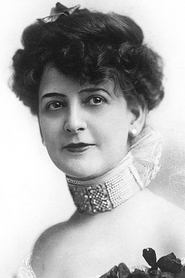
May Robson
Actor
Born: April 19, 1858 in Melbourne, Australia Died: October 20, 1942 Active: 1883-1942 Birth Name: Mary Jeannette Robison
Films
2 films
About May Robson
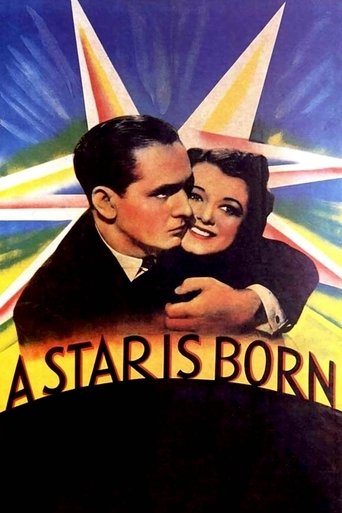
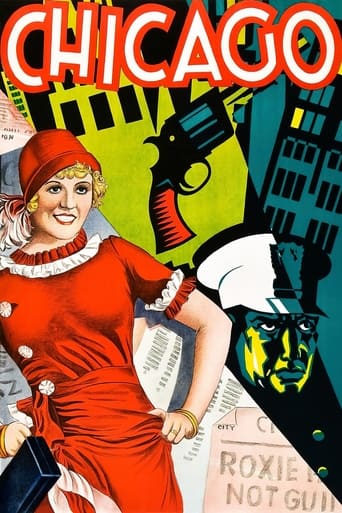
Mary Jeannette Robison, known professionally as May Robson, was an Australian-American actress whose remarkable over six decades, from Victorian stage productions to Golden Age Hollywood cinema. Born in Melbourne in 1858, she began her theatrical career in Australia before moving to America in the 1880s, where she established herself as a formidable stage actress on Broadway. Robson successfully transitioned to silent films in her 60s, defying age barriers and becoming one of Hollywood's most respected character actresses. Her breakthrough in cinema came with her role as the prison matron in 'Chicago' (1927), which showcased her ability to command the screen with authority and wit. Throughout the 1930s, she appeared in numerous memorable films, including her Oscar-nominated performance in 'Lady for a Day' (1933) and her role as the grandmother in 'A Star Is Born' (1937). Robson continued acting until her death in 1942, leaving behind a legacy as one of cinema's most beloved character actresses who proved that talent transcended age in Hollywood.
The Craft
On Screen
May Robson was known for her commanding presence and distinctive, slightly gravelly voice that could convey both warmth and authority. Her acting style combined theatrical training honed on the Victorian stage with naturalistic film techniques, allowing her to create memorable character portrayals. She excelled at playing strong-willed, often eccentric women who commanded respect while maintaining a maternal warmth. Robson's timing was impeccable, whether delivering comic lines or poignant dramatic moments, and she had a unique ability to steal scenes from younger co-stars through sheer force of personality.
Milestones
- Stage debut in Australia (1883)
- Broadway debut in 'The Widow Jones' (1896)
- Film debut in 'The Nurse' (1915)
- Breakthrough role in 'Chicago' (1927)
- Academy Award nomination for 'Lady for a Day' (1933)
- Memorable performance in 'A Star Is Born' (1937)
- Final film appearance in 'Joan of Paris' (1942)
Best Known For
Iconic Roles
Must-See Films
Accolades
Won
- Academy Award nomination for Best Actress for 'Lady for a Day' (1933)
Nominated
- Academy Award nomination for Best Actress (1933)
Special Recognition
- Hollywood Walk of Fame star at 6266 Hollywood Boulevard
- One of the highest-paid actresses in Hollywood during the 1930s
Working Relationships
Worked Often With
Studios
Why They Matter
Impact on Culture
May Robson broke significant age barriers in Hollywood, proving that actresses could maintain successful careers well into their later years. Her Academy Award nomination at age 75 for 'Lady for a Day' was groundbreaking, challenging Hollywood's youth obsession and paving the way for older actresses to receive substantial roles. She became a beloved figure during the Great Depression, often playing characters who embodied resilience and wisdom that resonated with audiences. Robson's success demonstrated that character actors could become box office draws in their own right, influencing how studios cast supporting roles.
Lasting Legacy
May Robson's legacy endures as one of cinema's most memorable character actresses who defied age conventions and proved that talent transcended Hollywood's youth obsession. Her Oscar nomination at 75 remained a record for decades, and her performances in films like 'Lady for a Day' and 'A Star Is Born' continue to be studied for their naturalistic yet commanding presence. Robson influenced generations of character actors, showing that supporting roles could be as impactful as leading parts. Her career trajectory from Victorian stage to Golden Age Hollywood represents the evolution of performance art across different media.
Who They Inspired
Robson influenced numerous character actresses who followed, demonstrating that older women could be powerful box office attractions. Her naturalistic delivery in talkies helped bridge the gap between theatrical and film acting styles. Younger actresses often sought her advice on career longevity and maintaining dignity in Hollywood's ageist environment. Directors valued her professionalism and reliability, setting standards for character actors in studio productions.
Off Screen
May Robson was married three times and had one daughter. Her first marriage was to Augustus H. Brown in 1880, which ended in divorce. She later married Dr. E.J. Wood, and after his death, married Edward LeMoyne in 1914, who remained her husband until her death. Despite her busy career, she maintained a close relationship with her daughter Margaret, who occasionally appeared in films with her. Robson was known for her sharp wit and was a popular figure in Hollywood social circles, hosting regular gatherings at her home.
Education
Educated in Melbourne, Australia; received theatrical training through practical experience in Australian theater companies
Family
- Augustus H. Brown (1880-1883)
- Dr. E.J. Wood (1899-1912)
- Edward LeMoyne (1914-1942)
Did You Know?
- Was 69 years old when she made her film debut in the silent era
- One of the oldest actresses ever nominated for an Academy Award for Best Actress
- Began her stage career at age 15 in Australia
- Was a successful playwright in addition to acting
- Spoke with a slight Australian accent throughout her career
- Was one of the highest-paid supporting actresses of the 1930s
- Never retired from acting, working until her death at age 84
- Was a founding member of the Motion Picture Relief Fund
- Appeared in over 60 films during her 27-year film career
- Was known for her remarkable memory and could recall entire plays from her youth
In Their Own Words
Age is just a number, and talent is timeless
I've been playing mothers and grandmothers since I was young enough to be a daughter
The stage taught me everything I needed to know about life, and film taught me how to share it
In Hollywood, they say you're as old as you feel, and I feel eternal
Character actors are the spices that make the main dish taste better
Frequently Asked Questions
Who was May Robson?
Australian-American actress who had a remarkable career spanning from Victorian stage productions to Golden Age Hollywood cinema, known for her memorable character roles and Academy Award-nominated performance in 'Lady for a Day'.
What films is May Robson best known for?
Titles linked here include Chicago (1927), Lady for a Day (1933).
When was May Robson born and when did she die?
Born April 19, 1858; died October 20, 1942.
What awards did May Robson win?
May Robson received an Academy Award nomination for Best Actress for her performance in 'Lady for a Day' (1933), making her one of the oldest actresses ever nominated in that category at the time.
What was May Robson's acting style?
May Robson's acting style combined theatrical gravitas with naturalistic film delivery, characterized by her commanding presence, distinctive voice, and ability to portray strong-willed, often eccentric women with both authority and warmth.
How old was May Robson when she started her film career?
May Robson was 69 years old when she made her film debut, making her one of the oldest actors to successfully transition from stage to screen and build a significant film career.
What was May Robson's real name?
May Robson's birth name was Mary Jeannette Robison, which she changed to May Robson for her professional career in entertainment.