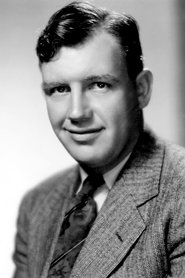
Andy Devine
Actor
Born: October 7, 1905 in Flagstaff, Arizona, USA Died: February 18, 1977 Active: 1928-1977 Birth Name: Jerome Patrick Devine
Films
3 films

About Andy Devine
Andy Devine, born Jerome Patrick Devine, was a beloved American character actor whose five decades, from the silent era through the Golden Age of Hollywood and into television. He developed his famous raspy, frog-like voice after a childhood accident involving a curtain rod that damaged his vocal cords, which initially seemed like a handicap but became his trademark. Devine began his film career in silent movies, successfully transitioning to talkies where his distinctive voice made him instantly recognizable and valuable to studios. Throughout his career, he appeared in over 400 films, often playing comic relief roles but capable of dramatic performances as well. He worked with directors like John Ford and starred alongside Hollywood's biggest names, including John Wayne and James Stewart. Beyond film, Devine found success on radio and television, becoming a familiar face to multiple generations of viewers. His enduring popularity stemmed from his unique persona, reliable performances, and the genuine warmth he brought to every role.
The Craft
On Screen
Andy Devine was known for his distinctive raspy voice and comedic timing, often playing lovable, bumbling sidekicks or comic relief characters. His acting style was characterized by a natural, unforced delivery that made his characters feel authentic despite often being larger-than-life. Devine had remarkable versatility, able to switch seamlessly from broad comedy to heartfelt drama within the same performance. His physical presence, combined with his unique vocal qualities, created an instantly recognizable persona that audiences loved. Despite often being typecast in comedic roles, Devine brought depth and humanity to every character, avoiding caricature in favor of genuine characterization.
Milestones
- Successful transition from silent films to talkies
- Breakthrough role in 'The Big Trail' (1930) opposite John Wayne
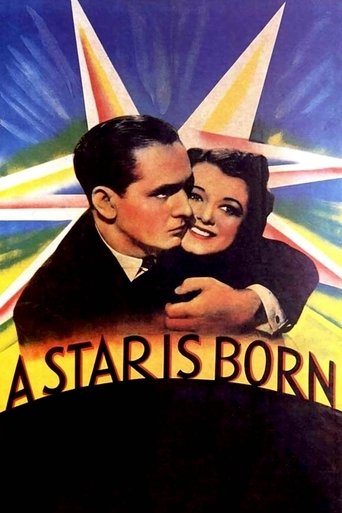
- Memorable performance in 'A Star Is Born' (1937)
- Long-term contract with Universal Pictures
- Iconic role as Buck in 'Stagecoach' (1939)
- Television success with 'The Adventures of Wild Bill Hickok' (1951-1958)
- Star on the Hollywood Walk of Fame
Best Known For
Iconic Roles
Must-See Films
Accolades
Won
- Hollywood Walk of Fame Star (1960)
- Golden Boot Award (posthumous, 1985)
Nominated
- No major Academy Award nominations during his career
Special Recognition
- Star on Hollywood Walk of Fame (1722 Vine Street)
- Inducted into the Western Performers Hall of Fame
- Golden Boot Award from the Motion Picture & Television Fund
Working Relationships
Worked Often With
Studios
Why They Matter
Impact on Culture
Andy Devine's impact on American cinema extends far beyond his individual performances. His distinctive voice and persona helped define the archetype of the comic sidekick in Western films and adventure movies. Devine demonstrated that physical and vocal uniqueness could be transformed into valuable assets in Hollywood, paving the way for other character actors with distinctive traits. His ability to seamlessly transition between genres - from Westerns to comedies to dramas - showcased the versatility required of character actors in studio-era Hollywood. Devine's work in television helped bridge the gap between classic Hollywood cinema and the new medium, introducing his talents to a new generation of viewers.
Lasting Legacy
Andy Devine left an enduring legacy as one of Hollywood's most recognizable and beloved character actors. His distinctive voice and persona have become part of American popular culture, often imitated and referenced in other media. Devine's filmography serves as a comprehensive tour through Hollywood's Golden Age, having worked with many of the era's most significant stars and directors. His success demonstrated that character actors could achieve lasting fame and cultural impact without being leading men. Today, film historians and classic movie enthusiasts celebrate Devine as an essential figure who brought warmth, humor, and humanity to hundreds of films, making him an integral part of cinema history.
Who They Inspired
Andy Devine influenced generations of character actors by demonstrating how distinctive physical and vocal traits could become valuable assets rather than limitations. His success in both film and television showed the potential for cross-media stardom during Hollywood's transitional periods. Devine's ability to play both comic and dramatic roles expanded the possibilities for character actors in studio-era Hollywood. Contemporary actors with unique voices or appearances often cite Devine as an inspiration for turning perceived limitations into career-defining strengths. His work in Westerns helped establish enduring archetypes that continue to influence the genre today.
Off Screen
Andy Devine married his sweetheart Dorothy House in 1933, and their marriage lasted 44 years until his death. They had two sons, Timothy and Dennis, and one daughter, Tasha. Despite his Hollywood success, Devine maintained a reputation as a devoted family man who kept his personal life private. He was known for his kindness and generosity toward fans and colleagues alike. Devine was also an accomplished athlete in his youth, playing football at Santa Clara University before a knee injury ended his athletic aspirations. He remained active in charitable work throughout his life, particularly supporting children's organizations.
Education
Santa Clara University (attended), St. Mary's College (attended)
Family
- Dorothy House (1933-1977)
Did You Know?
- His famous raspy voice was caused by a childhood accident when he fell on a curtain rod
- He was a talented football player at Santa Clara University before an injury ended his athletic career
- Despite his distinctive voice, he began his career in silent films
- He appeared in over 400 films throughout his career
- His character in 'Stagecoach' was named Buck, which became one of his most famous roles
- He was a close friend of John Wayne, appearing in multiple films with him
- Devine was also a successful radio performer before transitioning to television
- He often played characters named 'Cookie' in Western films
- His real first name was Jerome, but he used Andy professionally
- He was known for his kindness and never forgot a fan's name
In Their Own Words
Well, I'll be a dirty bird!
frequent line in his films)
I've been lucky. I've made a good living doing what I love to do.
I never thought my voice would be my fortune. I used to be ashamed of it.
In this business, you've got to be able to take a joke and make a joke.
Frequently Asked Questions
Who was Andy Devine?
Beloved American character with credits in this catalog. He successfully transitioned from silent films to talkies and became one of Hollywood's most recognizable supporting actors, particularly in Westerns and adventure films.
What films is Andy Devine best known for?
Titles linked here include Stagecoach (1939), A Star Is Born (1937).
When was Andy Devine born and when did he die?
Born October 7, 1905; died February 18, 1977.
What awards did Andy Devine win?
Andy Devine received a star on the Hollywood Walk of Fame in 1960 and was posthumously awarded the Golden Boot Award in 1985 for his contributions to Western films. While he never received major Academy Award nominations, he was widely respected and beloved throughout his career.
What was Andy Devine's acting style?
Andy Devine's acting style was characterized by his distinctive raspy voice, natural comedic timing, and ability to play lovable, bumbling characters. He brought warmth and authenticity to both comic and dramatic roles, making his characters memorable despite often being supporting parts. His unique vocal quality and physical presence made him instantly recognizable to audiences.
How did Andy Devine get his famous voice?
Andy Devine's famous raspy voice resulted from a childhood accident when he fell on a curtain rod, damaging his vocal cords. What initially seemed like a handicap became his trademark and most valuable asset in his acting career, helping him stand out in Hollywood and secure numerous character roles.
Did Andy Devine work with John Wayne?
Yes, Andy Devine worked frequently with John Wayne, appearing together in multiple films including 'Stagecoach' (1939), 'The Big Trail' (1930), 'Fort Apache' (1948), and 'The Man Who Shot Liberty Valance' (1962). They were close friends off-screen as well.
What was Andy Devine's real name?
Andy Devine's real name was Jerome Patrick Devine. He adopted the stage name 'Andy' early in his career, though the exact reason for the name change isn't definitively documented in historical records.