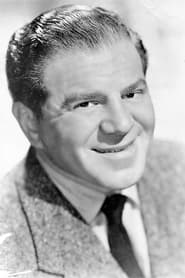
Lionel Stander
Actor
Born: January 11, 1908 in The Bronx, New York, USA Died: November 30, 1994 Active: 1931-1994 Birth Name: Lionel Jay Stander
Films
1 film
About Lionel Stander
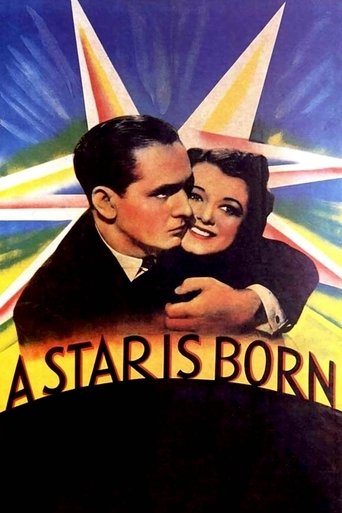
American character actor renowned for his distinctive gravelly voice and tough-guy persona who enjoyed a career spanning over five decades in film, television, and theater. Born in the Bronx in 1908, Stander began his acting career on Broadway before transitioning to films in the early 1930s, quickly establishing himself as a reliable supporting actor in both comedies and dramas. His breakthrough role came in Frank Capra's 'Mr. Deeds Goes to Town' (1936), which led to a contract with Columbia Pictures and appearances in numerous classic films including 'A Star Is Born' (1937) and 'You Can't Take It With You' (1938). During the McCarthy era, Stander was blacklisted and named as a communist sympathizer, forcing him to work primarily in European cinema throughout the 1950s. He made a triumphant return to American entertainment in the 1960s and 1970s, appearing in films like 'The Sting' (1973) and finding renewed fame as Max in the hit television series 'Hart to Hart' (1979-1984). His career demonstrated remarkable resilience, surviving political persecution and evolving with the changing entertainment landscape to remain a beloved character actor until his death in 1994.
The Craft
On Screen
Known for his distinctive gravelly voice, rapid-fire delivery, and tough-guy persona, Stander specialized in playing cynical but lovable characters, gangsters, and wisecracking sidekicks. His acting style combined naturalistic delivery with a theatrical flair that made him instantly recognizable. He had a unique ability to switch seamlessly between comedy and drama, often bringing depth and humanity to what could have been stereotypical tough-guy roles.
Milestones
- Broadway debut in 'The House of Connelly' (1931)
- Breakthrough role in 'Mr. Deeds Goes to Town' (1936)
- Blacklisted during McCarthy era (1950s)
- European film career during exile
- Return to Hollywood in 1960s
- Starred in 'Hart to Hart' TV series (1979-1984)
- Final film appearance in 'The Last Good Time' (1994)
Best Known For
Iconic Roles
Must-See Films
Accolades
Won
- Golden Globe Award for Best Supporting Actor on Television (1983)
Nominated
- Emmy Award nomination for Outstanding Supporting Actor in a Drama Series (1982)
- Emmy Award nomination for Outstanding Supporting Actor in a Drama Series (1983)
Special Recognition
- Hollywood Walk of Fame star (1983)
Working Relationships
Worked Often With
Studios
Why They Matter
Impact on Culture
Lionel Stander's career serves as a powerful testament to artistic resilience and political conviction in Hollywood. His blacklisting during the McCarthy era made him a symbol of the entertainment industry's political persecution, and his eventual return to stardom demonstrated the changing social and political climate of 1960s and 1970s America. As a character actor, he helped establish the archetype of the lovable tough guy with a heart of gold, influencing generations of supporting actors who followed. His distinctive voice and delivery style became instantly recognizable to audiences, making him.
Lasting Legacy
Lionel Stander left an enduring legacy as one of Hollywood's most distinctive character actors, remembered for his gravelly voice, rapid-fire delivery, and ability to bring depth to supporting roles. His career trajectory, from Broadway success to Hollywood stardom, political exile in Europe, and eventual television fame in his later years, serves as an inspiring story of perseverance in the face of adversity. Stander's work continues to be celebrated by film enthusiasts and historians who appreciate his contributions to classic American cinema and his role in preserving artistic integrity during one of Hollywood's darkest periods.
Who They Inspired
Stander influenced generations of character actors with his unique approach to supporting roles, demonstrating that secondary characters could be just as memorable and essential to a story's success. His ability to balance toughness with vulnerability paved the way for more complex characterizations in Hollywood films. His political courage during the McCarthy era inspired other artists to stand up for their beliefs, and his successful comeback showed that talent and determination could overcome political persecution.
Off Screen
Lionel Stander was married twice and had two children. His first marriage to Ruth Macdonald ended in divorce in 1937. He married his second wife, Barbara Valentine, in 1946, and they remained together until his death in 1994. Stander was known for his political activism and left-leaning views, which ultimately led to his blacklisting during the Red Scare. He was a passionate advocate for civil liberties and workers' rights throughout his life.
Education
Attended the University of North Carolina at Chapel Hill for one year before dropping out to pursue acting
Family
- Ruth Macdonald (1933-1937)
- Barbara Valentine (1946-1994)
Did You Know?
- Was one of the first actors to be blacklisted during the McCarthy era in 1951
- Worked as a taxi driver and construction worker during his blacklisting period
- Spoke fluent Italian and worked extensively in Italian cinema during the 1950s
- His distinctive gravelly voice was the result of a throat injury sustained in a childhood accident
- Was a member of the Communist Party from 1936 to 1938 but later renounced his membership
- Appeared in over 100 films throughout his career
- Was a close friend of fellow blacklisted actor Zero Mostel
- His role in 'Hart to Hart' was specifically written for him by producer Sidney Sheldon
- Was an accomplished pianist and often entertained friends at parties
- Received a standing ovation at the Academy Awards when he appeared as a presenter shortly after being cleared of blacklisting
In Their Own Words
I'm not a character actor, I'm an actor who plays characters
They can take away your livelihood, but they can't take away your talent
In Hollywood, you're only as good as your last picture, unless you're blacklisted, then you're not good at all
I've played more gangsters than Al Capone had friends
The best thing about getting older is that you don't have to prove anything to anyone anymore
Frequently Asked Questions
Who was Lionel Stander?
Screen credits include over 100 films from the 1930s through the 1990s. He was particularly famous for his roles in classic films like 'A Star Is Born' (1937) and later for starring as Max in the television series 'Hart to Hart'.
What films is Lionel Stander best known for?
Titles linked here include A Star Is Born (1937), Mr. Deeds Goes to Town (1936).
When was Lionel Stander born and when did he die?
Born January 11, 1908; died November 30, 1994.
What awards did Lionel Stander win?
Stander won a Golden Globe Award for Best Supporting Actor on Television in 1983 for his role in 'Hart to Hart'. He also received Emmy nominations in 1982 and 1983 for the same role and was honored with a star on the Hollywood Walk of Fame in 1983.
What was Lionel Stander's acting style?
Stander was known for his distinctive gravelly voice, rapid-fire delivery, and tough-guy persona. He specialized in playing cynical but lovable characters, gangsters, and wisecracking sidekicks, often bringing depth and humanity to what could have been stereotypical roles.
Why was Lionel Stander blacklisted in Hollywood?
Stander was blacklisted during the McCarthy era in 1951 after being named as a communist sympathizer during the House Un-American Activities Committee hearings. This forced him to work primarily in European cinema throughout the 1950s before he was eventually cleared and able to return to Hollywood.
What was Lionel Stander's role in A Star Is Born?
In the 1937 version of 'A Star Is Born', Stander played Matt Libby, the cynical studio publicist who works with Norman Maine (Fredric March). His performance showcased his trademark wisecracking style and established him as a memorable character actor in Hollywood.
How did Lionel Stander's career recover after being blacklisted?
Stander worked extensively in European cinema during his blacklisting period, particularly in Italy where he became fluent in the language. He gradually returned to American films and television in the 1960s, achieving major success with 'Hart to Hart' in the 1980s, which made him a household name once again.