
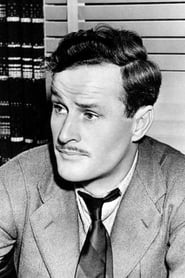
William A. Wellman
Director
Born: February 29, 1896 in Brookline, Massachusetts, USA Died: December 9, 1975 Active: 1923-1958 Birth Name: William Augustus Wellman
Films
7 films
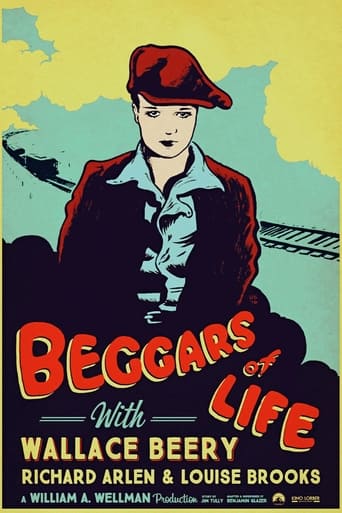
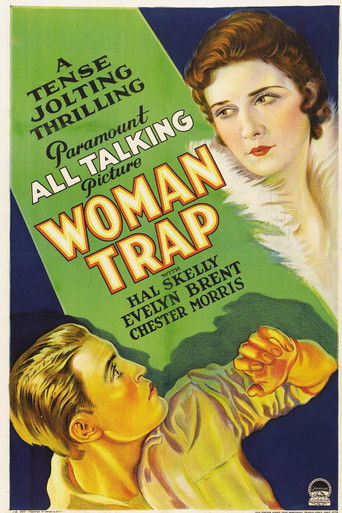

About William A. Wellman
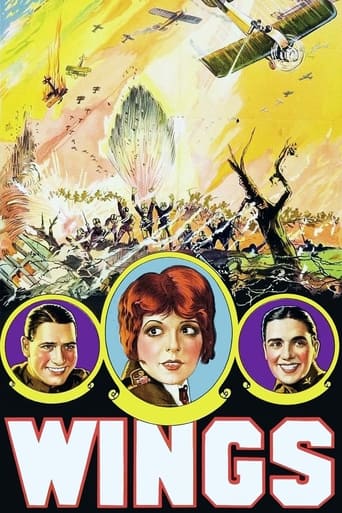
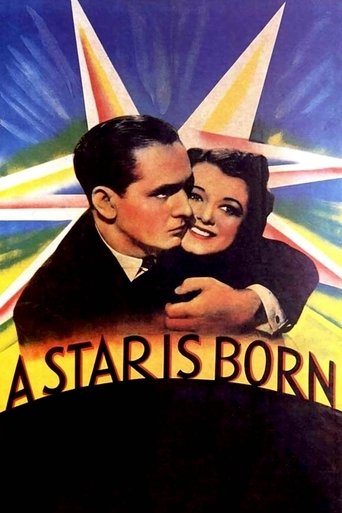
William Augustus Wellman, known as 'Wild Bill,' was one of Hollywood's most versatile and prolific directors during the Golden Age of cinema. A former World War I flying ace with the Lafayette Flying Corps, Wellman brought authentic military experience to his films, most notably in the war epic 'Wings' (1927), which became the first film to win the Academy Award for Best Picture. Throughout his career spanning over three decades, Wellman directed more than 80 films across virtually every genre, from gritty social dramas like 'The Public Enemy' (1931) to sweeping Westerns such as 'The Ox-Bow Incident' (1943) and the classic adventure 'The Story of G.I. Joe' (1945). Known for his no-nonsense directing style and preference for shooting on location, Wellman excelled in both intimate character studies and large-scale productions. He discovered and mentored numerous stars, including Clara Bow, James Cagney, and Gary Cooper, while earning a reputation for pushing boundaries with controversial subject matter. His later career saw continued success with films like 'A Star Is Born' (1937) and 'The High and the Mighty' (1954), cementing his legacy as one of cinema's most reliable and respected directors.
The Craft
Behind the Camera
Wellman was known for his fast-paced, efficient directing style and preference for authenticity over studio artifice. He often shot on location, used natural lighting, and encouraged improvisation from his actors. His military background influenced his approach to action sequences, which were noted for their realism and intensity. Wellman excelled in multiple genres but maintained a consistent focus on human dignity and social justice throughout his diverse filmography.
Milestones
- Directed 'Wings' (1927), first Best Picture Oscar winner
- Pioneered the gangster genre with 'The Public Enemy' (1931)
- Created the definitive version of 'A Star Is Born' (1937)
- Directed the controversial Western 'The Ox-Bow Incident' (1943)
- Made the acclaimed war film 'The Story of G.I. Joe' (1945)
- Won Best Director Oscar for 'The High and the Mighty' (1954) nomination
Best Known For
Must-See Films
Accolades
Won
- Academy Award for Best Director nomination for 'A Star Is Born' (1937)
- Academy Award for Best Director nomination for 'The Story of G.I. Joe' (1945)
- Academy Award for Best Director nomination for 'The High and the Mighty' (1954)
- Golden Globe for Best Director for 'The High and the Mighty' (1954)
- Directors Guild of America Lifetime Achievement Award (1973)
Nominated
- Academy Award for Best Director for 'A Star Is Born' (1937)
- Academy Award for Best Director for 'The Story of G.I. Joe' (1945)
- Academy Award for Best Director for 'The High and the Mighty' (1954)
- Venice Film Festival Golden Lion for 'The High and the Mighty' (1954)
Special Recognition
- Hollywood Walk of Fame star (1960)
- Inducted into the Directors Guild of America Hall of Fame
- AFI honored 'Wings' as part of their 100 Years.100 Movies list
- National Film Registry preservation for 'The Public Enemy' (1998)
- National Film Registry preservation for 'The Ox-Bow Incident' (1998)
Working Relationships
Worked Often With
Studios
Why They Matter
Impact on Culture
William A. Wellman fundamentally shaped American cinema through his genre-defining work in war films, gangster movies, and Westerns. 'Wings' established the template for aerial combat sequences that influenced decades of war films, while 'The Public Enemy' essentially created the gangster genre and its anti-hero archetype. His social consciousness films like 'The Ox-Bow Incident' and 'I Am a Fugitive from a Chain Gang' pushed Hollywood to address serious social issues. Wellman's discovery and development of stars like Clara Bow and James Cagney helped create the star system that defined Golden Age Hollywood.
Lasting Legacy
Wellman's legacy endures through his diverse filmography that continues to influence filmmakers across genres. His emphasis on authenticity and location shooting predated the French New Wave by decades, while his ability to work across genres demonstrated remarkable versatility rare in studio-era directors. The preservation of his films in the National Film Registry underscores their cultural significance. His son William Wellman Jr. Has helped preserve his father's legacy through books and documentaries, ensuring new generations discover Wellman's contributions to cinema history.
Who They Inspired
Wellman influenced countless directors through his efficient shooting techniques and genre innovations. His realistic approach to action sequences inspired directors like Howard Hawks and Sam Fuller. The social consciousness in his films paved the way for directors like Elia Kazan and Stanley Kramer. His discovery and development of talent influenced how studios approached star development. Contemporary directors including Steven Spielberg and Martin Scorsese have cited Wellman's work as inspiration for their own genre films.
Off Screen
Wellman led a colorful personal life marked by multiple marriages and his reputation as a Hollywood tough guy. Despite his gruff exterior, he was known to be deeply loyal to friends and collaborators. His wartime experiences profoundly shaped both his character and filmmaking philosophy. Wellman — avid polo player and maintained a ranch in California. He retired from directing in 1958 to focus on writing and painting, though he remained active in Hollywood circles until his death in 1975.
Education
Attended Newton High School, expelled from several schools; attended Rensselaer Polytechnic Institute briefly; later studied at the Art Students League of New York
Family
- Helene Chadwick (1925-1926)
- Marjorie Crawford (1931-1933)
- Dorothy Coonan Wellman (1934-1975)
Did You Know?
- Was a World War I flying ace with the Lafayette Flying Corps, credited with three confirmed kills
- Nicknamed 'Wild Bill' for his daredevil flying and reckless behavior
- Directed 'Wings' at age 31, making him one of the youngest Best Picture directors
- Was briefly a professional hockey player before entering films
- Discovered Clara Bow and gave her starring role in 'Wings'
- Frequently used real military personnel as extras in his war films
- Was one of the few directors who successfully transitioned from silent films to talkies
- His wife Dorothy Coonan appeared in seven of his films
- Was known for shooting quickly and under budget, earning studio trust
- His son William Wellman Jr. Became a successful character actor
- Turned down directing 'Gone with the Wind' to make 'Beau Geste'
- Was color-blind, which affected his approach to cinematography
In Their Own Words
I don't make pictures for critics. I make them for the public.
Directing is 90% casting and 10% everything else.
I'm not a genius, I'm a hard worker who loves what he does.
The only thing I ever wanted to do was make pictures that people would enjoy.
In this business, you're only as good as your last picture.
Frequently Asked Questions
Who was William A. Wellman?
Prolific American on YTB.my. He was a former WWI flying ace who brought authenticity to his war films and created influential movies across multiple genres, including the first Best Picture winner 'Wings' (1927).
What films is William A. Wellman best known for?
Titles linked here include Wings (1927), The Public Enemy (1931).
When was William A. Wellman born and when did he die?
Born February 29, 1896; died December 9, 1975.
What awards did William A. Wellman win?
Wellman received three Academy Award nominations for Best Director and won a Golden Globe for 'The High and the Mighty' (1954). He received the Directors Guild of America Lifetime Achievement Award in 1973 and has a star on the Hollywood Walk of Fame. His film 'Wings' won the first Academy Award for Best Picture.
What was William A. Wellman's directing style?
Wellman was known for his fast-paced, efficient directing style emphasizing authenticity and realism. He preferred shooting on location, used natural lighting, and drew from his military experience for realistic action sequences. His style was versatile across genres but consistently focused on human dignity and social justice themes.
How did William A. Wellman's military experience influence his films?
Wellman's service as a WWI flying ace with the Lafayette Flying Corps profoundly influenced his filmmaking, especially his war movies. He brought authentic military knowledge to films like 'Wings' and 'The Story of G.I. Joe,' often using real military personnel as extras and creating realistic combat sequences that set new standards for war films.
What stars did William A. Wellman discover or mentor?
Wellman discovered Clara Bow and gave her breakthrough role in 'Wings.' He also helped launch or advance the careers of James Cagney, Gary Cooper, Janet Gaynor, and John Wayne. His talent for casting and developing actors was a key factor in his success across different studios and genres.