

Adolphe Menjou
Actor
Born: February 18, 1890 in Pittsburgh, Pennsylvania, USA Died: October 29, 1963 Active: 1914-1960 Birth Name: Adolphe Jean Menjou
Films
15 films
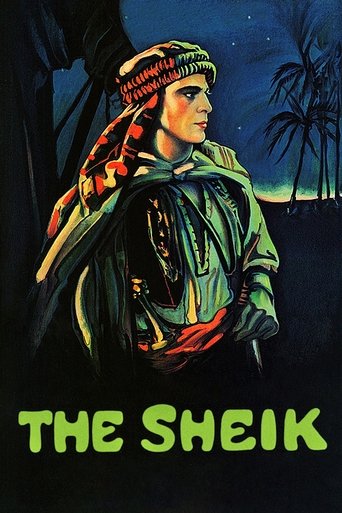
The Sheik
1921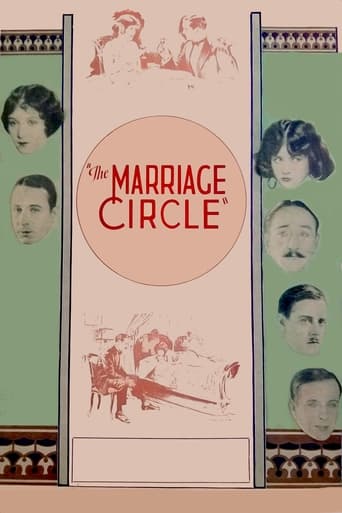
The Marriage Circle
1924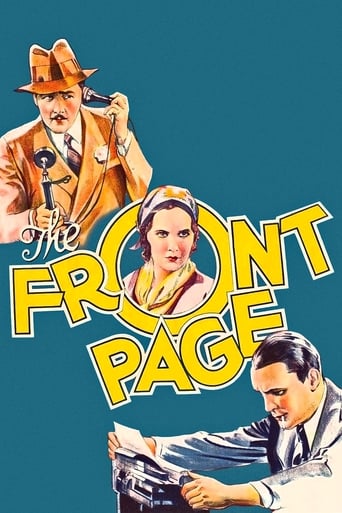
The Front Page
1931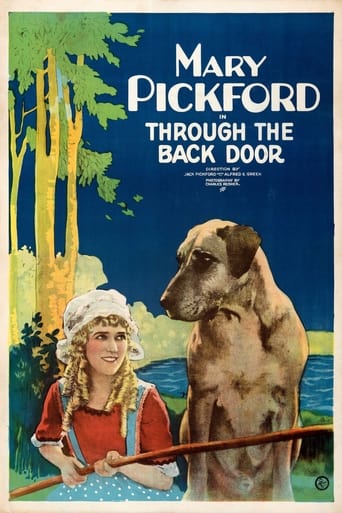
Through The Back Door
1921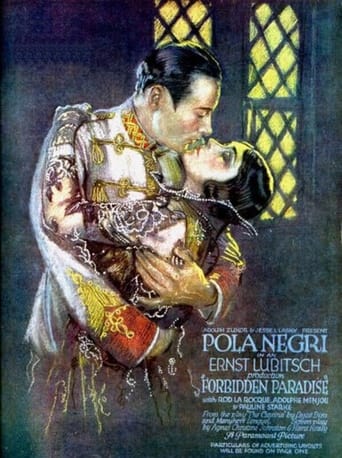
Forbidden Paradise
1924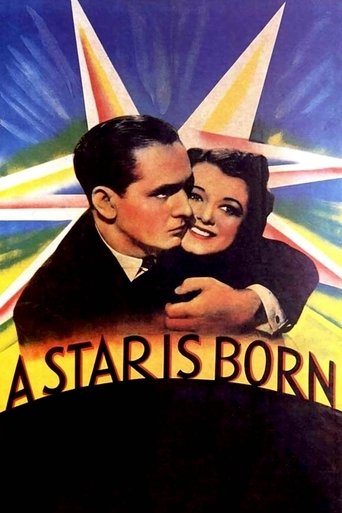
A Star Is Born
1937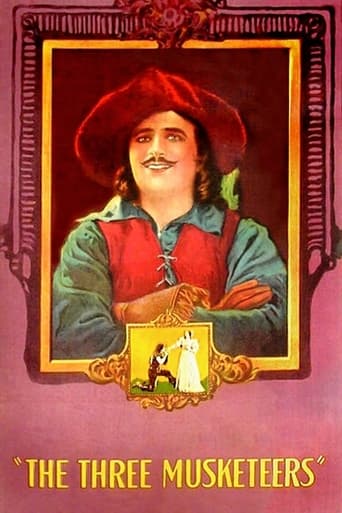
The Three Musketeers
1921
A Farewell to Arms
1932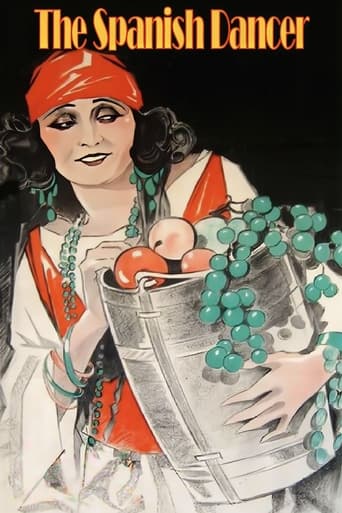
The Spanish Dancer
1923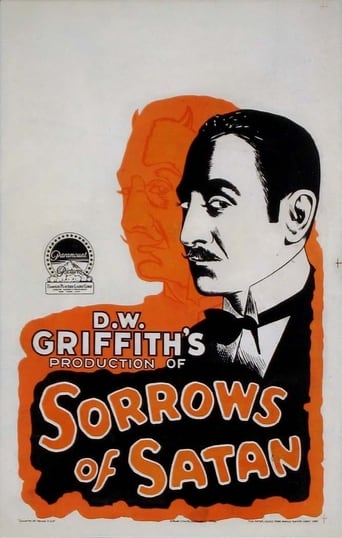
The Sorrows of Satan
1926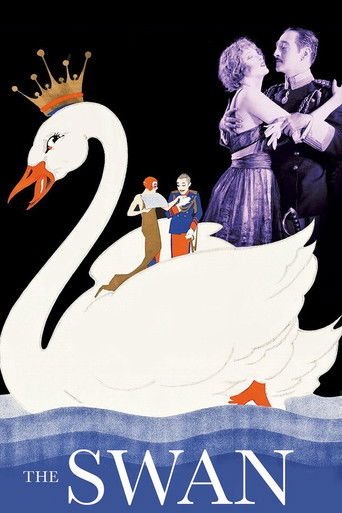
The Swan
1925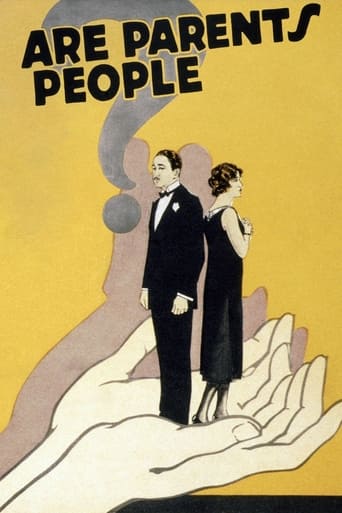
Are Parents People?
1925
Morocco
1930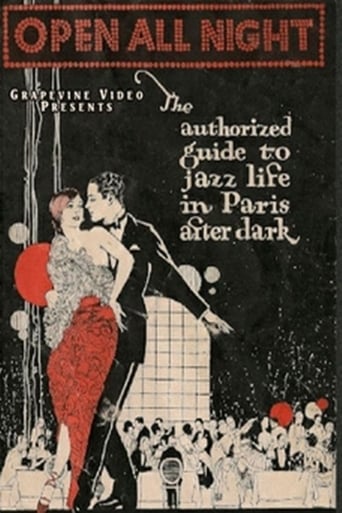
Open All Night
1924About Adolphe Menjou
Adolphe Menjou was one of Hollywood's most character actors, renowned for his sophisticated demeanor, impeccable wardrobe, and signature mustache that became his trademark throughout a career spanning nearly five decades. Born into a wealthy French-American family, Menjou initially studied engineering at Cornell University before discovering his passion for acting, making his film debut in 1914. He rose to prominence during the silent era with his breakout role in Charlie Chaplin's 'A Woman of Paris' (1923), where his suave performance as a wealthy playboy established his screen persona. Menjou successfully transitioned to sound pictures, earning an Academy Award nomination for Best Actor for his role as the cynical editor Walter Burns in 'The Front Page' (1931). Throughout the 1930s and 1940s, he became typecast as the quintessential sophisticated gentleman, appearing in over 100 films including 'Morning Glory' (1933), 'Stage Door' (1937), and 'Road to Morocco' (1942). His career experienced a remarkable resurgence in the 1950s with memorable supporting roles in Stanley Kubrick's 'Paths of Glory' (1957) and Billy Wilder's 'Some Like It Hot' (1959), demonstrating his remarkable versatility and enduring appeal across generations of cinema.
The Craft
On Screen
Menjou was renowned for his sophisticated, debonair screen presence, typically portraying wealthy, cultured gentlemen with impeccable manners and wardrobe. His acting style was characterized by subtle facial expressions, particularly his raised eyebrows and sly smiles that conveyed wit and intelligence. He mastered the art of playing cynical yet charming characters, often using his distinctive mustache as an expressive prop. In talkies, his cultivated voice and precise diction further enhanced his image as the archetypal man of the world. Menjou's performances were marked by their restraint and elegance, never overplaying emotions but rather suggesting them through subtle gestures and timing.
Milestones
- Breakout role in Charlie Chaplin's 'A Woman of Paris' (1923)
- Academy Award nomination for 'The Front Page' (1931)
- Starred in over 100 films during silent and sound eras
- Successful transition from silent films to talkies
- Career resurgence with 'Paths of Glory' (1957)
- Memorable supporting role in 'Some Like It Hot' (1959)
- Published autobiography 'It Took Nine Tailors' in 1948
Best Known For
Iconic Roles
Must-See Films
Accolades
Won
- Best Actor Award from Venice Film Festival for 'The Front Page' (1932)
- Photoplay Gold Medal for Favorite Actor (1934)
Nominated
- Academy Award for Best Actor for 'The Front Page' (1931)
- Academy Award for Best Actor for 'The Affairs of Cellini' (1934)
Special Recognition
- Hollywood Walk of Fame star at 6826 Hollywood Boulevard
- Honorary mention in Photoplay Magazine's Hall of Fame (1925)
- Featured in American Film Institute's list of greatest screen legends
Working Relationships
Worked Often With
Studios
Why They Matter
Impact on Culture
Adolphe Menjou became an iconic symbol of sophistication and elegance in Hollywood cinema, representing the ideal of the refined gentleman during the Golden Age. His distinctive appearance, particularly his carefully groomed mustache and immaculate wardrobe, set standards for male style and grooming in the 1920s and 1930s. Menjou's successful transition from silent films to sound pictures demonstrated the importance of voice and diction in early talkies, influencing how actors prepared for the new medium. His political activism during the McCarthy era also reflected the broader cultural and political divisions within Hollywood at the time, making him a controversial but significant figure in the industry's history.
Lasting Legacy
Adolphe Menjou's legacy endures through his extensive filmography that spans multiple eras of Hollywood history, from silent cinema through the Golden Age and into the modern era. His ability to adapt to changing times while maintaining his distinctive persona demonstrated remarkable longevity in an industry known for its fleeting stardom. Menjou's influence can be seen in subsequent generations of character actors who specialized in playing sophisticated, worldly characters. His performances in classic films continue to be studied by film scholars and appreciated by classic cinema enthusiasts, cementing his place as one of Hollywood's most enduring character actors.
Who They Inspired
Menjou influenced countless actors with his refined acting style and professional approach to filmmaking. His success in portraying sophisticated gentlemen established a template for character actors specializing in upper-class roles. Younger actors studied his technique of subtle expression and his ability to convey complex emotions through minimal gestures. His career demonstrated the value of versatility and adaptability in show business, inspiring performers to develop skills that would remain relevant across changing industry trends and technologies.
Off Screen
Menjou was married three times and was known for his conservative political views, particularly during the McCarthy era when he served as a prominent anti-communist witness before the House Un-American Activities Committee. He was a devout Catholic and his political conservatism often put him at odds with many of his Hollywood colleagues. Menjou was also an accomplished author, publishing his autobiography 'It Took Nine Tailors' in 1948, which detailed his experiences in Hollywood and his conservative political beliefs.
Education
Cornell University (studied engineering, left before graduation) and Culver Military Academy
Family
- Kathryn Carver (1928-1934)
- Verree Teasdale (1934-1963, his death)
Did You Know?
- His signature mustache was so famous that it was insured for $1 million
- He was a staunch Republican and testified as a friendly witness during the McCarthy hearings
- Menjou spoke fluent French, which helped him secure roles in European co-productions
- He was known for his impeccable wardrobe and never wore the same suit twice on screen
- Despite playing wealthy characters, he came from a modest background and worked as a bank clerk before acting
- He was a skilled amateur boxer and considered a professional boxing career
- Menjou was one of the first actors to successfully transition from silent films to sound pictures
- He appeared in more films than any other actor nominated for an Academy Award in the 1930s
- His autobiography title 'It Took Nine Tailors' referred to the saying 'it takes nine tailors to make a man'
- He was a close friend of fellow conservative actor John Wayne
In Their Own Words
I'm an actor who believes in playing himself. I'm not trying to be something I'm not.
Hollywood is a place where they'll pay you a thousand dollars for a kiss and fifty cents for your soul.
The secret of success is to be ready when your opportunity comes.
I've never been interested in being a star. I've only been interested in being an actor.
Politics is show business for ugly people.
Frequently Asked Questions
Who was Adolphe Menjou?
American with credits in this catalog. He was famous for playing wealthy, cultured gentlemen and successfully transitioned from silent films to talkies, earning an Academy Award nomination for 'The Front Page' (1931).
What films is Adolphe Menjou best known for?
Titles linked here include A Woman of Paris: A Drama of Fate (1923), The Front Page (1931).
When was Adolphe Menjou born and when did he die?
Born February 18, 1890; died October 29, 1963.
What awards did Adolphe Menjou win?
Menjou received an Academy Award nomination for Best Actor for 'The Front Page' (1931) and won the Best Actor Award at the Venice Film Festival for the same performance. He also received a second Oscar nomination for 'The Affairs of Cellini' (1934) and was honored with a star on the Hollywood Walk of Fame.
What was Adolphe Menjou's acting style?
Menjou was known for his sophisticated, debonair acting style characterized by subtle expressions, impeccable timing, and a cultivated voice. He specialized in playing wealthy, worldly gentlemen with wit and charm, using his distinctive mustache and elegant wardrobe to enhance his screen persona. His performances were marked by restraint and elegance rather than overt emotional displays.
Was Adolphe Menjou's mustache real?
Yes, Menjou's famous mustache was real and became his trademark throughout his career. It was so iconic that it was reportedly insured for $1 million, and it helped establish his image as the quintessential sophisticated gentleman in Hollywood cinema.
How did Adolphe Menjou influence Hollywood?
Menjou influenced Hollywood through his successful transition from silent films to talkies, setting a standard for actors adapting to new technology. His sophisticated screen persona established a template for character actors playing upper-class roles, and his career longevity demonstrated the value of versatility and professionalism in the film industry.