

A Farewell to Arms
"An ambulance driver and a nurse fall in love amid World War I."
Keys: Space play/pause · ←/→ 10s · F fullscreen · M mute · </> speed
About this film
In 1932, a tale of the World War I love affair, begun in Italy, between American ambulance driver Lt. Frederic Henry and British nurse Catherine Barkley. Eventually separated by Frederic's transfer, tremendous challenges and difficult decisions face each as the war rages on.
Cast & crew
More films like this
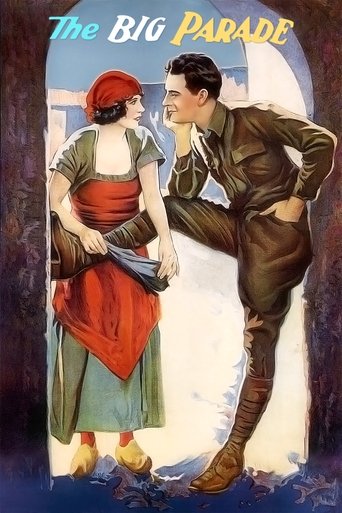

More Drama films
View all →







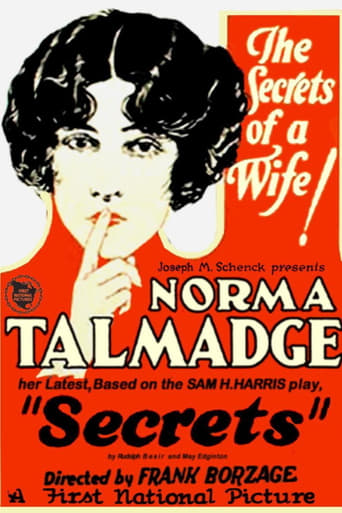
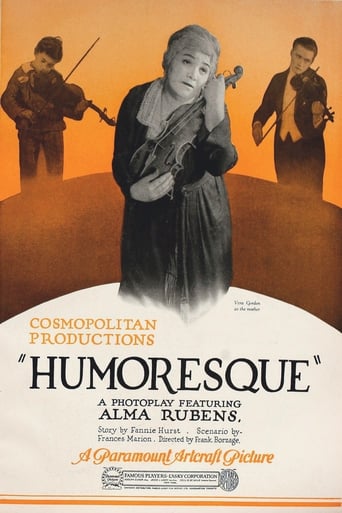
More from Frank Borzage
View all →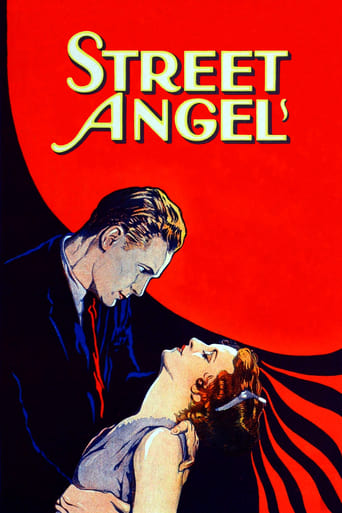
More about this film
About the production
Release dateDecember 8, 1932
Budget$1,000,000
Box office$1,750,000 (domestic)
ProductionParamount Pictures
Filmed inParamount Studios, Hollywood, California, Lake Tahoe, California, Sonora, California
The film was made during the pre-Code era, allowing for more mature themes and sexual content than would be permitted after 1934. Ernest Hemingway initially opposed the adaptation but was eventually won over by the script. The production faced challenges recreating Italian battlefront locations in California, using matte paintings and clever set design. Director Frank Borzage emphasized the romantic elements over the war aspects, which differed from Hemingway's more cynical vision. The film's ending was softened from the novel's bleak conclusion to provide more emotional closure for audiences.
Themes
Love versus warThe futility of conflictDesertion and moral choiceThe tragedy of lost loveThe psychological impact of war
Themes & topics
World War IAmbulance driverNurseDesertionPregnancyTragedyItalySwitzerlandLove affairBattlefrontRed CrossAnti-war
Historical background
Released in 1932, A Farewell to Arms reached audiences during the early sound era, when exhibition and production norms differed sharply from today's.
Why this film matters
A Farewell to Arms remains viewable through digital archives, preserving 1932 screen culture for modern audiences.
Making of
The production was a massive undertaking for Paramount Pictures, with extensive sets built to recreate the Italian front. Director Frank Borzage, known for his romantic sensibility, clashed with studio executives over the film's tone, insisting on emphasizing the love story over the war elements. The casting of Helen Hayes was considered a coup, as she was primarily known as a stage actress and had not yet established herself as a major film star. Gary Cooper and Hayes reportedly had an intense professional chemistry that translated powerfully to the screen. The film's famous ambulance chase sequence was filmed using multiple cameras and innovative tracking shots. The Swiss mountain scenes were particularly challenging, requiring the crew to transport equipment to remote locations in the Sierra Nevada mountains.
What critics said
Where contemporary reviews survive, A Farewell to Arms is read against the tastes of 1932; revival screenings keep it in circulation.
Did you know?
- Gary Cooper was initially reluctant to take the role, feeling he was too old to play Frederic Henry, but was convinced by director Frank Borzage
- Helen Hayes won the Academy Award for Best Actress for this film, her only Oscar for a leading role
- The film was nominated for four Academy Awards and won two, including Best Cinematography
- Ernest Hemingway reportedly disliked the film's romanticized approach to his novel, calling it 'a picture that makes you want to vomit'
- This was the first major film adaptation of a Hemingway work
- The film's success helped establish Gary Cooper as one of Hollywood's top romantic leading men
- The battle sequences used over 2,000 extras and took weeks to film
- The original cut was reportedly 130 minutes but was trimmed to 89 minutes for release
- Adolphe Menjou's performance as Rinaldi was praised for its sophisticated charm and wit
- The film was banned in several countries for its depiction of desertion and premarital pregnancy
Awards & recognition
- Academy Award for Best Actress (Helen Hayes)
- Academy Award for Best Cinematography (Charles Lang)
Visual style
Charles Lang's cinematography was groundbreaking for its use of deep focus and dramatic lighting to create visual contrast between the war-torn landscapes and intimate romantic moments. The battle sequences employed innovative camera techniques, including tracking shots that followed ambulances through muddy terrain. Lang used soft focus for romantic scenes and harsh, high-contrast lighting for war sequences, creating a visual dichotomy that reinforced the film's themes. The Swiss mountain scenes were particularly notable for their sweeping vistas and use of natural light. Lang's work earned the film its Academy Award for Best Cinematography and influenced the visual style of subsequent war and romance films.
Innovations
The film pioneered several technical innovations in early sound cinema, particularly in location recording and sound mixing. The battle sequences required complex microphone placement to capture both dialogue and realistic war sounds. The film's use of rear projection for moving vehicle scenes was particularly advanced for the period. The cinematography employed early forms of deep focus that would later be perfected by directors like Orson Welles. The film's editing techniques, particularly in the ambulance chase sequence, were innovative in their use of cross-cutting to build tension. The special effects, including matte paintings for the Italian landscapes, were among the most sophisticated of their time.
Music
The musical score was composed by John Leipold and W. Franke Harling, incorporating both original compositions and popular songs of the era. The soundtrack made innovative use of diegetic music, with characters singing and playing instruments within scenes to enhance emotional moments. The score featured a recurring love theme that became one of the film's most memorable elements. The sound design was particularly advanced for its time, with realistic battle sounds and clear dialogue recording despite the challenging filming conditions. The film's audio quality was praised by contemporary critics as among the best of early sound films.
Famous quotes
I'm afraid of the rain because sometimes I see me dead in it.
You're my religion. You're all I've got.
I don't know anything. I've only been to war.
We're all fools. We're all dying.
I'm not brave anymore, darling. I'm all broken.
There isn't any me. I'm you. Don't make up a separate me.
Memorable scenes
- The opening ambulance sequence through the muddy Italian front, establishing the brutal reality of war
- The first meeting between Frederic and Catherine in the hospital ward, their chemistry immediately apparent
- The rooftop scene where Frederic and Catherine declare their love under the stars
- The chaotic retreat sequence with Frederic's decision to desert
- The climactic childbirth scene, one of cinema's most devastating emotional moments
- The final shot of Frederic walking alone in the rain, echoing Catherine's earlier fear
What audiences thought
The film was a major commercial success, becoming one of the highest-grossing films of 1932. Audiences responded enthusiastically to the passionate love story and spectacular production values. The film's emotional climax reportedly caused many viewers to weep in theaters, making it a word-of-mouth sensation. Despite the Depression, audiences were willing to pay premium prices for the film's roadshow engagements in major cities. The film's success helped establish Gary Cooper as a major romantic star and confirmed Helen Hayes' transition from stage to screen. The film's popularity endured through re-releases throughout the 1930s, cementing its status as a classic of early sound cinema.
Film connections
Influenced by
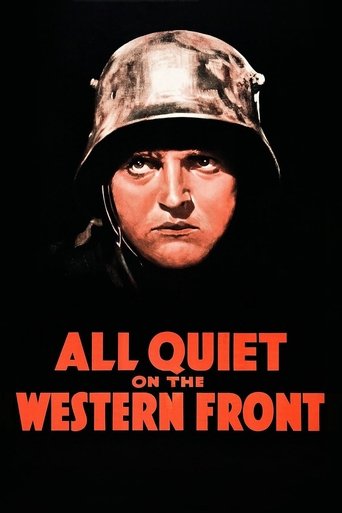
- All Quiet on the Western Front (1930)
- The Big Parade (1925)
- Erich Maria Remarque's war novels
- German Expressionist cinema
- Hollywood melodrama tradition
This film influenced
- From Here to Eternity (1953)
- The Best Years of Our Lives (1946)
- A Farewell to Arms (1957 remake)
- War and Peace (1956)
- Doctor Zhivago (1965)
Film restoration
The film is preserved in the Library of Congress National Film Registry, having been selected for preservation in 1996 for its cultural, historical, and aesthetic significance. A restored version was released by Universal Studios in the 1990s, with improved sound and picture quality. The original nitrate elements are stored at the UCLA Film & Television Archive. The film has been released on DVD and Blu-ray by Criterion Collection with extensive bonus materials.
Where to watch
- The Criterion Collection (Blu-ray/DVD)
- Amazon Prime Video (rental/purchase)
- Apple TV (rental/purchase)
- Google Play Movies (rental/purchase)
- YouTube Movies (rental/purchase)
- TCM (Turner Classic Movies - periodic broadcasts)
- Paramount+ (streaming availability varies by region)