
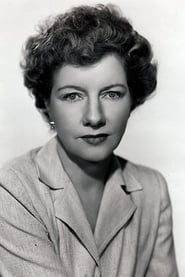
Mary Philips
Actor
Born: January 23, 1901 in New London, Connecticut, USA Died: April 22, 1975 Active: 1920s-1950s
Films
1 film
About Mary Philips
American actress who enjoyed a career on both Broadway and in Hollywood during the 1930s and 1940s. Born in New London, Connecticut in 1901, she began her career on the stage, making her Broadway debut in the 1920s. Her theatrical success led to her film debut in the 1932 adaptation of Hemingway's 'A Farewell to Arms,' where she played the role of Catherine Barkley's friend. Philips was married to Hollywood legend Humphrey Bogart from 1928 to 1937, and their marriage coincided with his rise to stardom. After her divorce from Bogart, she married actor Kenneth Thomson and continued her acting career, appearing in supporting roles in numerous films throughout the 1940s. She gradually transitioned back to theater in her later years, returning to Broadway for several productions. Philips retired from acting in the 1950s and spent her remaining years away from the public eye until her death in 1975.
The Craft
On Screen
Mary Philips was known for her naturalistic and understated acting style, which was well-suited for both the intimate settings of Broadway theater and the close-up requirements of film. She possessed a warm, approachable screen presence that made her particularly effective in supporting roles as confidantes and friends to the lead characters. Her stage training gave her excellent diction and emotional range, allowing her to convey complex feelings with subtle gestures and expressions rather than overt melodrama.
Milestones
- Broadway stage debut in the 1920s
- Film debut in 'A Farewell to Arms' (1932)
- Marriage to Humphrey Bogart (1928-1937)
- Successful transition between stage and screen
- Return to Broadway in the 1940s
Best Known For
Iconic Roles
Must-See Films
Accolades
Special Recognition
- Broadway theater legacy
- Hollywood Golden Age contributor
Working Relationships
Worked Often With
Studios
Why They Matter
Impact on Culture
Mary Philips represents the archetype of the reliable supporting actress who was essential to Hollywood's Golden Age. While never achieving leading lady status, her contributions to both stage and screen helped define the character actress role during the transition from silent films to talkies. Her marriage to Humphrey Bogart during his formative years places her within the narrative of one of Hollywood's greatest legends, offering insight into the personal life of an icon before his ultimate fame. Philips embodied the journey of many theater-trained actors who successfully navigated the challenging transition to sound cinema.
Lasting Legacy
Mary Philips' legacy lies in her versatility as a performer who successfully bridged the worlds of Broadway and Hollywood. She represents the countless talented actors who formed the backbone of Golden Age cinema, providing essential support to leading players while maintaining their own artistic integrity. Her career demonstrates the importance of stage training in the early sound era, when actors with theatrical backgrounds were particularly valued for their vocal skills and emotional range. Today, she is remembered by film historians and classic cinema enthusiasts as part of the 1930s and 1940s Hollywood.
Who They Inspired
While not widely documented as a direct influence on other actors, Mary Philips' career path influenced many theater actors considering film work during the early sound era. Her ability to maintain a successful career in both mediums demonstrated that it was possible to straddle both worlds without compromising artistic standards. Her natural acting style, which avoided the theatrical excess common in early talkies, contributed to the evolution of more realistic film acting techniques that would become standard in later decades.
Off Screen
Mary Philips had a notable personal life that intersected with Hollywood history. She met Humphrey Bogart while both were struggling actors in New York, and they married in 1928. Their marriage lasted nine years, ending in divorce in 1937 as Bogart's career began to skyrocket. The divorce was reportedly amicable, and Philips remained supportive of Bogart's success. In 1938, she married fellow actor Kenneth Thomson, and they remained together until Thomson's death in 1960. Philips had no children from either marriage and spent her later years living quietly in Santa Barbara, California.
Education
Limited information available about her formal education, though she likely received theatrical training in New York during the 1920s
Family
- Humphrey Bogart (1928-1937)
- Kenneth Thomson (1938-1960)
Did You Know?
- Was married to Humphrey Bogart before his marriage to Lauren Bacall
- Her marriage to Bogart lasted nine years, longer than his subsequent marriage to Bacall
- She and Bogart met while performing in a play together in New York
- Despite her connection to Bogart, she rarely discussed their marriage in interviews
- She was primarily a stage actress who made relatively few film appearances
- Her birthplace is sometimes mistakenly listed as London, England, but she was actually born in Connecticut
- She appeared in the film adaptation of Hemingway's 'A Farewell to Arms' starring Gary Cooper and Helen Hayes
- After retiring from acting, she lived a quiet life away from Hollywood
- She was part of the generation of actors who successfully transitioned from silent films to talkies
- Her second marriage to Kenneth Thomson lasted until his death in 1960
In Their Own Words
No widely documented quotes from Mary Philips are available in historical records
Frequently Asked Questions
Who was Mary Philips?
American actress who worked in both theater and film during the 1930s and 1940s. She is best known for her role in 'A Farewell to Arms' (1932) and for being the first wife of Hollywood legend Humphrey Bogart.
What films is Mary Philips best known for?
Titles linked here include A Farewell to Arms (1932), The Story of Vernon and Irene Castle (1939).
When was Mary Philips born and when did she die?
Born January 23, 1901; died April 22, 1975.
What awards did Mary Philips win?
Mary Philips did not receive any major film awards during her career. Her contributions were primarily recognized through her steady work in both theater and film during Hollywood's Golden Age.
What was Mary Philips' acting style?
Mary Philips was known for her naturalistic and understated acting style, with a warm screen presence that made her effective in supporting roles. Her stage background gave her excellent diction and emotional range.
How long was Mary Philips married to Humphrey Bogart?
Mary Philips was married to Humphrey Bogart from 1928 to 1937, a period of nine years that covered his rise from struggling actor to Hollywood star.
Did Mary Philips have children?
No, Mary Philips did not have any children from either of her two marriages, first to Humphrey Bogart and later to Kenneth Thomson.