
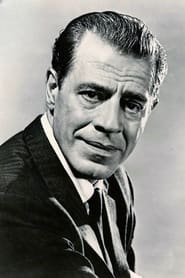
Jack La Rue
Actor
Born: May 3, 1902 in New York City, New York, USA Died: January 11, 1984 Active: 1930-1971 Birth Name: Gaspere Biondolillo
Films
2 films
About Jack La Rue
Jack La Rue, born Gaspere Biondolillo, was a prolific American character actor whose over four decades, though he was most prominent during the 1930s and 1940s. After beginning his career on Broadway in the late 1920s, he transitioned to Hollywood films where his imposing physical presence and gravelly voice made him ideal for villainous roles. His breakthrough came with a memorable performance as the priest in the Academy Award-winning film 'A Farewell to Arms' (1932), which established him as a reliable character actor. Throughout the 1930s, he appeared in numerous gangster films and crime dramas, often playing menacing henchmen or lead villains. La Rue was particularly adept at portraying complex antagonists who could be both threatening and sympathetic. His career continued through the 1940s and 1950s with appearances in film noir and B-movies, though he never achieved leading man status. Later in his career, he transitioned to television and continued acting until his retirement in the early 1970s.
The Craft
On Screen
La Rue specialized in portraying menacing, brooding characters with a distinctive gravelly voice and intense screen presence. His acting style was naturalistic yet theatrical, drawing from his Broadway background. He had a particular talent for making villains complex and occasionally sympathetic, often bringing depth to what could have been one-dimensional roles. His physical imposing presence, combined with his ability to convey threat through subtle gestures and expressions, made him particularly effective in crime and gangster films.
Milestones
- Breakthrough role as the priest in 'A Farewell to Arms' (1932)
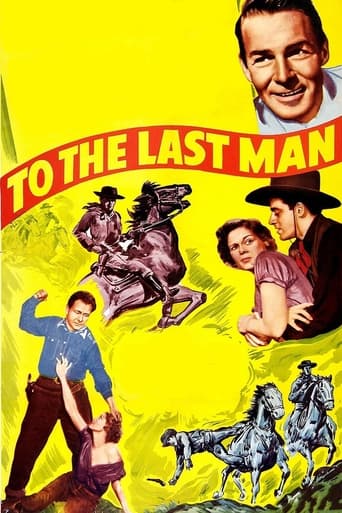
- Leading villain role in 'To the Last Man' (1933)
- Memorable performance in 'The Story of Temple Drake' (1933)
- Extensive work in gangster films of the 1930s
- Transition to television work in the 1950s and 1960s
Best Known For
Iconic Roles
Must-See Films
Accolades
Special Recognition
- Hollywood Walk of Fame star (located at 6333 Hollywood Boulevard)
Working Relationships
Worked Often With
Studios
Why They Matter
Impact on Culture
Jack La Rue contributed significantly to the development of the gangster film genre during its golden age in the 1930s. His portrayal of complex villains helped establish the archetype of the sympathetic antagonist that would become common in American cinema. His work in 'A Farewell to Arms' demonstrated that character actors could deliver performances of equal depth to leading roles, influencing how studios approached supporting casting. La Rue's success as an Italian-American actor in an era of ethnic stereotypes helped pave the way for greater diversity in Hollywood casting.
Lasting Legacy
Jack La Rue's legacy lies in his contributions to the character actor tradition in Hollywood cinema. He exemplified how supporting actors could build lasting careers through reliability and distinctive screen presence. His filmography serves as a valuable record of the evolution of American crime and gangster films from their early sound era through the film noir period. While never a household name, his work continues to be studied by film scholars interested in the development of character acting and the representation of ethnicity in classic Hollywood cinema.
Who They Inspired
La Rue influenced subsequent generations of character actors, particularly those specializing in villainous or menacing roles. His ability to bring nuance to antagonistic characters set a standard for complexity in villain portrayals. Many later actors who built careers playing gangsters and tough guys, including Lee Van Cleef and Jack Palance, drew inspiration from La Rue's approach to character development. His success demonstrated the commercial viability of strong character-driven performances in supporting roles.
Off Screen
Jack La Rue was known for being a private individual who kept his personal life largely out of the public eye. He was married to actress Violet La Rue from 1930 until their divorce in 1935. He later married Constance 'Connie' DeMille in 1939, with whom he remained until his death in 1984. Despite his typecasting as villains on screen, colleagues described him as a gentle and kind man off-camera. He was known for his professionalism and reliability on set, which contributed to his long career in Hollywood.
Education
Limited formal education; primarily self-taught through practical experience in theater and film
Family
- Violet La Rue (1930-1935)
- Constance 'Connie' DeMille (1939-1984)
Did You Know?
- Changed his name from Gaspere Biondolillo to Jack La Rue because studio executives thought his birth name was too difficult to pronounce
- Was originally considered for the role of the Monster in 'Frankenstein' (1931) before it went to Boris Karloff
- Served in the U.S. Army during World War II
- Was a close friend of actor Humphrey Bogart
- Appeared in over 150 films throughout his career
- Was typecast so often as villains that he rarely got to play romantic leads
- His distinctive scar on his left cheek was real, not makeup
- Was an accomplished amateur boxer before becoming an actor
- Spoke fluent Italian, which helped him secure roles as ethnic characters
- Made the transition to television successfully in the 1950s, appearing in shows like 'Perry Mason' and 'The Untouchables'
In Their Own Words
I've been killed more times than any actor in Hollywood, but I always come back for the next picture.
Playing the heavy is an art. You have to make the audience hate you, but also understand why you are the way you are.
In the 1930s, if you had an Italian name and looked tough, you were going to play gangsters. It was typecasting, but it kept me working.
Frequently Asked Questions
Who was Jack La Rue?
American character with credits in this catalog. Born Gaspere Biondolillo, he appeared in over 150 films and was particularly notable for his menacing screen presence and gravelly voice.
What films is Jack La Rue best known for?
Titles linked here include A Farewell to Arms (1932), To the Last Man (1933).
When was Jack La Rue born and when did he die?
Born May 3, 1902; died January 11, 1984.
What awards did Jack La Rue win?
While Jack La Rue did not receive major acting awards during his career, he was honored with a star on the Hollywood Walk of Fame at 6333 Hollywood Boulevard in recognition of his contributions to film and television.
What was Jack La Rue's acting style?
Jack La Rue's acting style was characterized by his naturalistic yet theatrical approach, drawing from his Broadway background. He specialized in creating complex villains who were both menacing and occasionally sympathetic, using his gravelly voice, intense screen presence, and imposing physicality to memorable effect.