
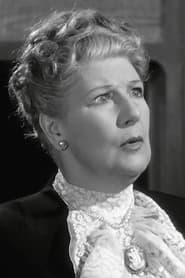
Mary Forbes
Actor
Born: December 30, 1883 in Hornsey, London, England Died: July 22, 1959 Active: 1919-1945 Birth Name: Mary Forbes-Robertson
Films
3 films
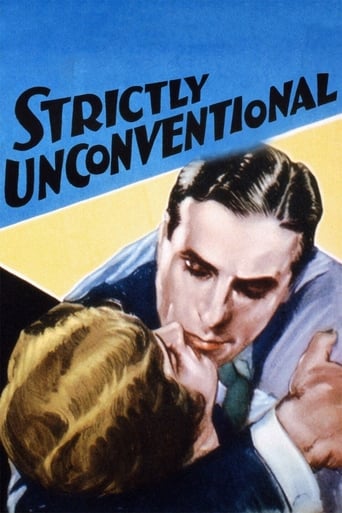
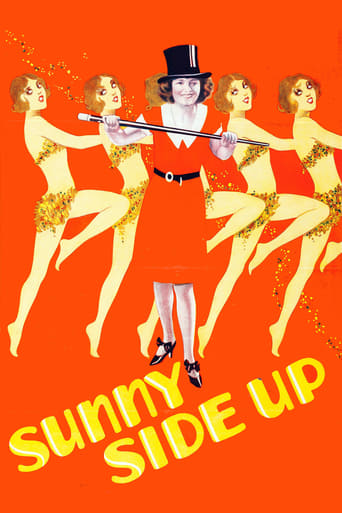
About Mary Forbes
British character actress who enjoyed a prolific career spanning over two decades in Hollywood. Born into the prominent Forbes-Robertson theatrical family, she began her career on the London stage before making the transition to American cinema in the 1920s. With her natural aristocratic bearing, refined accent, and commanding presence, she became typecast in roles as society ladies, aristocrats, stern headmistresses, and formidable mothers. Her performance as the head nurse in the Academy Award-winning film 'A Farewell to Arms' (1932) stands as one of her most memorable roles, showcasing her ability to convey authority and compassion simultaneously. Throughout her career, Forbes appeared in more than 200 films, making her recognizable character actresses of her era. She successfully navigated the transition from silent films to talkies, her clear diction and theatrical training serving her well in the new sound era. Her final film appearance was in 1945, after which she retired from acting, leaving behind a legacy of consistently solid performances that elevated even the smallest roles.
The Craft
On Screen
Mary Forbes was renowned for her refined, aristocratic demeanor and impeccable diction, which made her perfect for portraying upper-class characters. Her theatrical background gave her a commanding presence that she used effectively in both dramatic and comedic roles. She specialized in playing stern but ultimately caring authority figures, bringing depth and nuance to even the smallest supporting roles. Her acting style was characterized by precise enunciation, regal posture, and the ability to convey complex emotions with subtle facial expressions and gestures.
Milestones
- Appeared in over 200 films during her 26-year career
- Successful transition from silent films to talkies
- Memorable performance as Head Nurse in 'A Farewell to Arms' (1932)
- Member of the Forbes-Robertson theatrical family
- Became one of Hollywood's most recognizable character actresses
Best Known For
Iconic Roles
Must-See Films
Accolades
Special Recognition
- Hollywood Walk of Fame star (for contributions to motion pictures)
Working Relationships
Worked Often With
Studios
Why They Matter
Impact on Culture
Mary Forbes represented the archetype of the British character actress in Golden Age Hollywood, bringing legitimacy and class to every production she appeared in. Her ability to seamlessly transition from the British stage to American cinema helped pave the way for other British actors seeking success in Hollywood. Through her numerous portrayals of authority figures and society women, she helped shape the visual language of class and sophistication in 1930s and 1940s cinema. Her work in 'A Farewell to Arms' contributed to the film's critical success and enduring reputation as a classic of early sound cinema.
Lasting Legacy
Mary Forbes left behind a legacy as one of Hollywood's most reliable and recognizable character actresses. With over 200 film credits to her name, she exemplified the working actor who consistently elevated the quality of every production through her professionalism and talent. Her performances continue to be studied by film scholars interested in the transition from silent to sound cinema, and her work remains visible to new audiences through classic film revivals and streaming platforms. She represents an important chapter in the story of British contributions to Golden Age Hollywood.
Who They Inspired
While not a star who commanded headlines, Mary Forbes influenced generations of character actors through her example of professionalism and consistency. Her success demonstrated the value of specialized casting and the importance of character actors in creating believable cinematic worlds. Many subsequent British actresses who found success in Hollywood, from Gladys Cooper to Angela Lansbury, followed in the path that performers like Forbes helped establish. Her ability to maintain a steady career across multiple decades showed the viability of character acting as a long-term profession in the film industry.
Off Screen
Mary Forbes came from a theatrical family; her uncle was the renowned Shakespearean actor Sir Johnston Forbes-Robertson. She married twice during her lifetime, first to Charles C. Morton and later to Ernest C. Rolls. Despite her extensive film career, she maintained a relatively private personal life, focusing on her craft and avoiding the Hollywood spotlight that many of her contemporaries sought. She retired from acting in 1945 and spent her remaining years in Los Angeles, where she passed away in 1959 at the age of 75.
Education
Trained in classical theatre at the Royal Academy of Dramatic Art, London
Family
- Charles C. Morton (1910-1920)
- Ernest C. Rolls (1920-1959)
Did You Know?
- She was the niece of renowned Shakespearean actor Sir Johnston Forbes-Robertson
- Appeared in more films in 1933 alone than many actors do in their entire careers
- Despite being British, she spent most of her film career playing American characters
- She was often typecast as a 'dragon lady' - stern authority figures with hearts of gold
- Her final film appearance was without on-screen billing in 'The House on 92nd Street' (1945)
- She worked with virtually every major studio in Hollywood during her career
- Many of her early silent film roles are now lost due to film deterioration
- She was one of the few actresses who successfully made the transition from British stage to Hollywood films
- Her distinctive voice made her particularly valuable in the early sound era
- She often played characters much older than her actual age
In Their Own Words
The stage is my first love, but films pay the bills and reach more people.
Being a character actress means never being out of work - there's always a mother, aunt, or headmistress to be played.
In Hollywood, it's better to be a familiar face than an unknown star.
Frequently Asked Questions
Who was Mary Forbes?
Screen credits include over 200 films during Hollywood's Golden Age. Born into a theatrical family, she specialized in playing aristocratic women, authority figures, and society matrons in films from the 1920s through the 1940s.
What films is Mary Forbes best known for?
Titles linked here include A Farewell to Arms (1932), The Great Ziegfeld (1936).
When was Mary Forbes born and when did she die?
Born December 30, 1883; died July 22, 1959.
What awards did Mary Forbes win?
While Mary Forbes did not receive major acting awards during her career, she was honored with a star on the Hollywood Walk of Fame for her significant contributions to motion pictures.
What was Mary Forbes's acting style?
Mary Forbes was known for her refined, aristocratic demeanor, impeccable diction, and commanding presence. She specialized in portraying upper-class characters with authenticity, using her theatrical training to bring depth to authority figures and society women.
How was Mary Forbes related to Sir Johnston Forbes-Robertson?
Mary Forbes was the niece of Sir Johnston Forbes-Robertson, the renowned Victorian-era Shakespearean actor who was considered one of the greatest Hamlets of his time.
Why did Mary Forbes retire from acting?
Mary Forbes retired from acting in 1945 after a 26-year career that included over 200 film appearances. She chose to step away from the industry at age 61, likely due to the natural progression of age and changing opportunities in post-war Hollywood.