
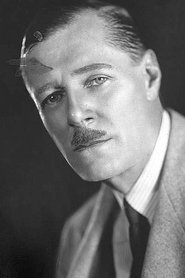
Gilbert Emery
Actor
Born: June 11, 1875 in Naples, New York, USA Died: October 28, 1945 Active: 1915-1945 Birth Name: Gilbert Emery Bensley Pottle
Films
7 films

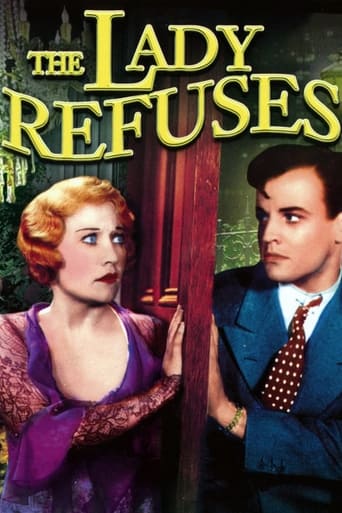

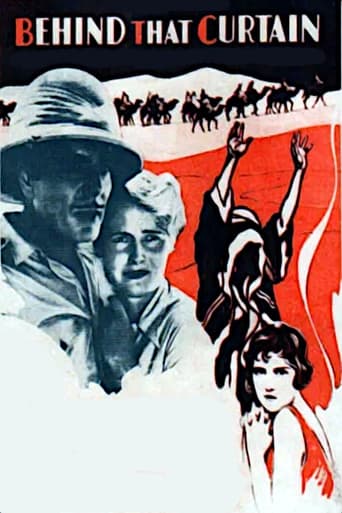
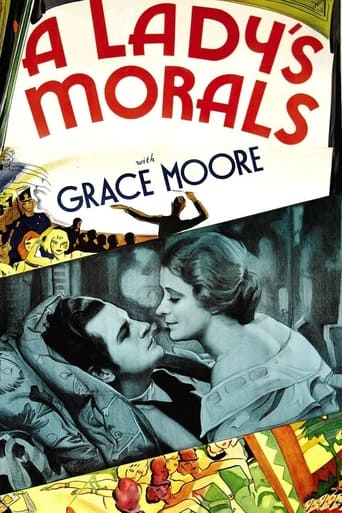

About Gilbert Emery
Gilbert Emery, born Gilbert Emery Bensley Pottle, was an American character actor who successfully transitioned from a prolific stage career to become a respected figure in both silent films and early talkies. Beginning his career as a playwright and stage actor in the early 1900s, Emery established himself on Broadway before making his film debut in the late 1910s. His commanding presence, deep voice, and aristocratic bearing made him particularly well-suited for roles as authority figures, noblemen, and educated professionals. Throughout his film career from 1919 to 1945, he appeared in over 80 films, working with major studios and renowned directors of the Golden Age. Emery demonstrated remarkable versatility, seamlessly adapting his theatrical skills to the new medium of sound cinema while maintaining his distinctive screen persona. Beyond acting, he continued writing plays and occasionally contributed to screenplays, showcasing his multifaceted talents in the entertainment industry. His the crucial transitional period from silent films to talkies, making him a valuable bridge between early cinema and the Golden Age of Hollywood.
The Craft
On Screen
Emery was known for his dignified, theatrical acting style characterized by precise diction, commanding presence, and aristocratic bearing. His stage background influenced his film performances, bringing a certain gravitas and refinement to his roles. He excelled at playing authority figures, noblemen, doctors, and educated professionals with a natural authority that made his characters believable. His deep, resonant voice was particularly valuable in the transition to sound films, allowing him to deliver lines with theatrical precision while maintaining cinematic authenticity.
Milestones
- Successful transition from Broadway to Hollywood films
- Appeared in both silent films and early talkies
- Prolific character actor with over 80 film appearances
- Known for authoritative and aristocratic roles
- Worked with major studios including MGM, Warner Bros, and Paramount
- Maintained steady career through the Great Depression era
- Appeared in several classic films of the 1930s and 1940s
Best Known For
Iconic Roles
Must-See Films
Accolades
Special Recognition
- Broadway star with numerous successful stage productions
- Respected character actor in Hollywood's Golden Age
Working Relationships
Worked Often With
Studios
Why They Matter
Impact on Culture
Gilbert Emery represented the important bridge between theatrical tradition and cinematic innovation during Hollywood's formative years. His successful transition from stage to screen demonstrated how classical acting techniques could be adapted to the new medium of film, particularly during the challenging transition from silent to sound cinema. As a character actor, he helped establish the archetype of the dignified authority figure that would become a staple in Hollywood films, providing credibility and gravitas to supporting roles that anchored many classic productions. His work in both American and international-themed films contributed to Hollywood's global reach and its ability to tell stories with authentic period detail.
Lasting Legacy
Gilbert Emery's legacy lies in his contributions as a reliable and versatile character actor who helped define the supporting roles in Golden Age Hollywood cinema. His ability to portray authority and dignity made him an essential element in the ensemble casts of many classic films, providing the necessary weight and authenticity to period pieces and dramas. His active years covered. While not a leading man, his consistent presence in quality productions helped elevate the overall standard of character acting in Hollywood.
Who They Inspired
Emery influenced subsequent generations of character actors through his demonstration of how theatrical training could enhance film performances without appearing artificial. His dignified approach to supporting roles helped establish the importance of well-cast character actors in creating believable cinematic worlds. His successful navigation of the silent-to-sound transition provided a template for other actors facing similar challenges, showing that classical technique and cinematic naturalism could coexist effectively.
Off Screen
Gilbert Emery was married and had children, though he maintained a relatively private personal life away from the Hollywood spotlight. He balanced his film career with his family life and continued his literary pursuits as a playwright throughout his acting career. His death in 1945 marked the end of a career that had spanned nearly five decades in American entertainment.
Education
Educated in New York, with early training in theater and dramatic arts
Family
- Married (spouse name not widely documented)
Did You Know?
- Born as Gilbert Emery Bensley Pottle but shortened his name for professional use
- Began his career as a playwright before becoming an actor
- Successfully transitioned from silent films to talkies, which many actors failed to do
- Appeared in both American films and British productions
- Was a contemporary of many legendary actors who started in theater
- His deep voice made him particularly valuable in early sound films
- Often played characters older than his actual age
- Maintained an active career until his death in 1945
- Worked with some of Hollywood's biggest stars including Errol Flynn and Bette Davis
- His final film appearance was in 'The Invisible Man's Revenge' (1944)
In Their Own Words
The stage teaches you discipline that serves you well in any medium
Character actors are the foundation upon which great films are built
Transitioning from silent to sound wasn't as difficult for those of us with stage training
Frequently Asked Questions
Who was Gilbert Emery?
American character with credits in this catalog. Known for his dignified presence and authoritative roles, he successfully transitioned from a Broadway career to become a respected supporting actor in Hollywood's Golden Age.
What films is Gilbert Emery best known for?
Titles linked here include The Sentimental Bloke (1919), A Farewell to Arms (1932).
When was Gilbert Emery born and when did he die?
Born June 11, 1875; died October 28, 1945.
What awards did Gilbert Emery win?
While Gilbert Emery did not receive major formal awards or nominations, he was highly respected in the industry for his consistent work as a character actor. His recognition came through his steady employment and the respect of his peers in both theater and film.
What was Gilbert Emery's acting style?
Gilbert Emery's acting style was characterized by theatrical precision, dignified presence, and authoritative delivery. His stage background gave him excellent diction and gravitas, making him particularly effective in roles as noblemen, doctors, and other authority figures in both silent and sound films.