
Behind That Curtain
"Murder before the honeymoon voyage"
Keys: Space play/pause · ←/→ 10s · F fullscreen · M mute · </> speed
About this film
Sir George hires detective Hillary Gatt, who is murdered after Lois marries liar Eric and flees to India; friend Beetham sympathizes with betrayed bride. Behind That Curtain (1929) is early Fox sound mystery.
Cast & crew
More films like this
More Crime films
View all →

More from Irving Cummings
View all →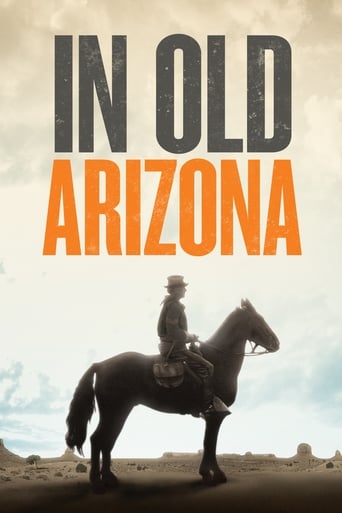


More about this film
About the production
Release dateMarch 3, 1929
ProductionFox Film Corporation
Filmed inFox Studios, Los Angeles, California
This film was produced during the transition from silent films to talkies, featuring synchronized sound and dialogue. It was one of the early Fox films to utilize the Movietone sound system. The production faced challenges typical of early sound films, including bulky sound equipment that limited camera movement and the need for actors to adapt their performance style for the microphone. The Indian sequences were shot on studio sets rather than on location, which was common practice for the era.
Themes
Deception and hidden identitiesThe dangers of rushing into marriageInternational intrigue and exoticismJustice and moral responsibilityThe transition from old world to new world values
Themes & topics
murder investigationinternational romanceprivate detectivehidden identityalcoholismarranged marriageexotic locationsmysterydeceptionfamily secrets
Historical background
Behind That Curtain (1929) belongs to Hollywood's first sound mystery cycle adapting Earl Derr Biggers.
Why this film matters
Early talkie detective films tested microphone placement in drawing-room clue scenes.
Making of
The production of 'Behind That Curtain' took place during a pivotal moment in cinema history when studios were transitioning from silent films to talkies. Director Irving Cummings had to navigate the technical limitations of early sound recording, which required actors to remain close to hidden microphones and restricted camera movement. The casting of Warner Baxter was significant as he was one of Fox's biggest stars following his Oscar win. The decision to include Charlie Chan as a supporting character was likely a test to gauge audience interest in the detective before potentially launching a full series. The Indian sequences were created using elaborate studio sets and backdrops, as location shooting was still rare and expensive during this period. The film's production team had to work with the cumbersome Movietone sound equipment, which often overheated and required frequent breaks during filming.
What critics said
Reviews noted stiff sound transition; Biggers fans compare it with later Charlie Chan films.
Did you know?
- the production features the first screen appearance of the character Charlie Chan, played by E.L. Park, though he is not the main character but rather a supporting detective role.
- The film is based on the 1928 novel of the same name by Earl Derr Biggers, who created the popular Charlie Chan detective series.
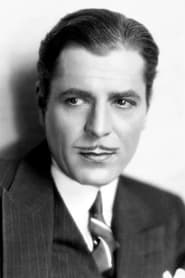
- Warner Baxter, who plays John Beetham, was a major star of the era and had recently won the Academy Award for Best Actor for 'In Old Arizona' (1928).
- The film was released just months before the stock market crash of 1929, making it one of the last films of the roaring twenties era.
- This was one of the earliest films to combine elements of mystery, romance, and international settings, establishing a formula that would become popular in the 1930s.
- The Charlie Chan character would go on to become widely known detectives in cinema history, though this initial appearance was relatively minor.
- The film's title refers to both literal curtains in theatrical settings and metaphorical curtains hiding secrets and mysteries.
- Early sound technology required actors to stand still near microphones, which limited the dynamic action sequences that were common in silent films.
- The film was part of Fox's effort to establish their own detective franchise to compete with other studios' successful mystery series.
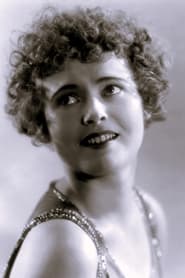
- Lois Moran, who plays Lois, was a former child prodigy who had studied in Europe and was known for her sophisticated screen presence.
Visual style
The cinematography by Arthur Edeson reflects the transitional nature of late 1920s filmmaking, blending techniques from the silent era with new requirements for sound recording. The camera work is more static than typical silent films due to the limitations of early sound equipment, but Edeson makes effective use of lighting and composition to create atmosphere. The Indian sequences feature particularly notable set design and lighting that creates an exotic mood despite being filmed entirely on studio sets. The film employs dramatic shadows and lighting contrasts typical of the mystery genre, while also maintaining the clear visibility needed for early sound recording. The visual style successfully bridges the gap between the expressive cinematography of silent films and the more restrained approach required by early sound technology.
Innovations
The film represents an important technical achievement as one of Fox's early productions using their proprietary Movietone sound-on-film system. This technology allowed for better synchronization between picture and sound compared to earlier sound-on-disc systems. The production team successfully overcame many of the technical challenges of early sound recording, including managing microphone placement and reducing unwanted noise. The film's sound mix includes dialogue, music, and effects, demonstrating the growing sophistication of audio recording in cinema. The technical innovations in the production contributed to the rapid advancement of sound technology in the film industry during this pivotal period.
Music
The film features an original musical score composed specifically for the Movietone system, which synchronized sound with the picture. The music includes both diegetic and non-diegetic elements, with orchestral pieces that enhance the mysterious and romantic elements of the story. The soundtrack also includes sound effects that were innovative for the time, helping to create a more immersive experience for audiences. The musical numbers reflect the popular styles of the late 1920s, incorporating elements of both classical and contemporary popular music. The sound quality, while primitive by modern standards, was considered advanced for its time and represents an important step in the development of film sound technology.
Famous quotes
Behind every curtain lies a secret, and behind every secret lies the truth.
Love may be blind, but marriage opens the eyes to reality.
In India, as in England, the truth has a way of revealing itself.
A gentleman's word is his bond, but a scoundrel's word is his weapon.
Memorable scenes
- The opening scene where Sir George hires Hillary Gatt, establishing the mystery and setting the investigation in motion
- The tense confrontation between Eric and Lois as his true nature begins to reveal itself
- The atmospheric murder scene of Hillary Gatt, which sets the stakes for the rest of the film
- The dramatic India sequences where Lois discovers the depth of Eric's deception
- The final revelation where Charlie Chan helps uncover the full truth about Eric's identity and crimes
What audiences thought
Audiences in 1929 responded positively to the film's combination of mystery, romance, and exotic settings. The presence of Warner Baxter, a popular leading man of the era, likely contributed to its commercial success. The film's timing during the early sound period made it a novelty for moviegoers still adjusting to talking pictures. While exact box office figures are not available, contemporary trade publications reported that the film performed respectably in major markets. Modern audiences primarily encounter the film through film society screenings and archival presentations, where it is appreciated for its historical value and as an example of early sound cinema craftsmanship.
Film connections
Influenced by
- The Charlie Chan literary series by Earl Derr Biggers
- Silent film mystery conventions
- British detective fiction traditions
- Early Hollywood talkie formulas
- Exotic adventure films of the 1920s
This film influenced
- The Charlie Chan film series (1931-1981)
- Hollywood mystery films of the 1930s
- International detective thrillers
- Early sound mystery-adventure films
Film restoration
The film is partially preserved with some elements surviving in various film archives. While not considered completely lost, some reels may be missing or in deteriorated condition. The surviving elements are held by the Museum of Modern Art and other film preservation institutions. Restoration efforts have been limited due to the film's relative obscurity compared to other Fox productions from the same period. The sound elements are particularly fragile due to the early sound technology used.
Where to watch
- The film is occasionally screened at film archives and classic film festivals
- Some segments may be available through university film collections
- Rare 16mm prints occasionally circulate among film collectors
- The film may be accessible through specialized film preservation organizations
- Digital copies are not widely available commercially due to its preservation status