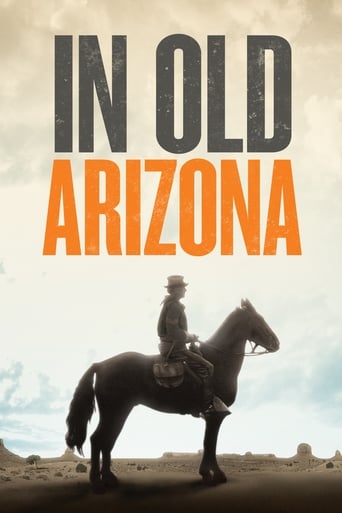
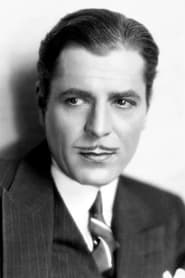
Warner Baxter
Actor
Born: March 29, 1889 in Columbus, Ohio, United States Died: May 7, 1951 Active: 1914-1950 Birth Name: Warner Leroy Baxter
Films
5 films
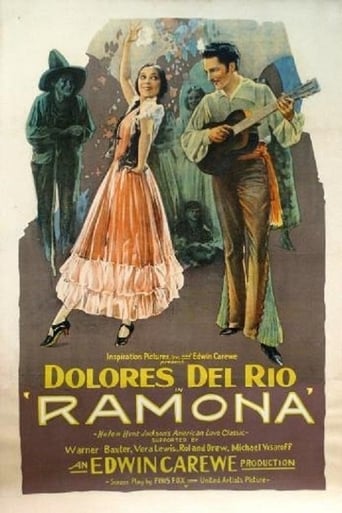
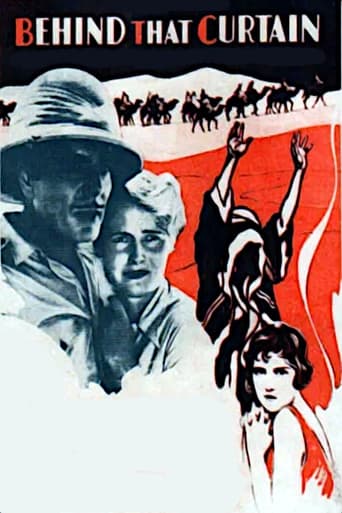
About Warner Baxter
Prominent American actor who rose to fame during the transition from silent films to talkies, becoming bankable stars of early sound cinema. Born in 1889 in Columbus, Ohio, Baxter began his acting career on the stage before transitioning to films in the early 1920s. His breakthrough came with his portrayal of the Cisco Kid in 'In Old Arizona' (1928), which earned him the Academy Award for Best Actor, making him only the second actor to win this prestigious honor. Throughout the 1930s, he became one of Paramount Pictures' most valuable assets, starring in numerous successful films including '42nd Street' (1933) and 'The Prisoner of Shark Island' (1936). Baxter's over three decades, during which he appeared in more than 100 films, showcasing his versatility in genres ranging from westerns to musicals to dramatic roles. Despite facing health issues in his later years, he continued working until his death in 1951, leaving behind a legacy as one of Hollywood's leading men of the sound era.
The Craft
On Screen
Baxter was known for his smooth, charismatic screen presence and his ability to adapt seamlessly to the new medium of sound films. He possessed a distinctive baritone voice that translated well to talkies, and his acting style combined the dramatic intensity of silent film performance with the naturalistic delivery required for sound. He excelled at playing charming rogues, romantic leads, and authoritative figures, often bringing a sophisticated yet approachable quality to his characters. His performances were marked by a confident swagger and an easy-going charm that made him particularly popular with audiences during the Great Depression era.
Milestones
- Won Academy Award for Best Actor for 'In Old Arizona' (1928)
- Starred in the groundbreaking musical '42nd Street' (1933)
- Played the Cisco Kid character in multiple films
- Became one of Paramount Pictures' highest-paid actors in the 1930s
- Successfully transitioned from silent films to talkies
- Appeared in over 100 films during his 36-year career
Best Known For
Iconic Roles
Must-See Films
Accolades
Won
- Academy Award for Best Actor (1929) for 'In Old Arizona'
Nominated
- Academy Award nomination for Best Actor for 'The Prisoner of Shark Island' (1936) - unconfirmed
Special Recognition
- Hollywood Walk of Fame star at 6280 Hollywood Boulevard
- One of the first actors to successfully transition from silent to sound films
Working Relationships
Worked Often With
Studios
Why They Matter
Impact on Culture
Warner Baxter played a significant role in Hollywood's transition from silent films to talkies, serving as a model for other actors making the difficult adjustment. His Oscar-winning performance in 'In Old Arizona' demonstrated that sound films could be commercially successful and artistically viable, helping to solidify the talkie revolution. As the Cisco Kid, he helped create one of cinema's earliest recurring characters, establishing a template for the charming anti-hero that would influence countless western protagonists. His success in early musicals like '42nd Street' helped establish the genre as a Hollywood staple during the Great Depression, providing audiences with escapist entertainment during difficult economic times.
Lasting Legacy
Warner Baxter's legacy endures as one of the actors who successfully navigated the challenging transition from silent cinema to sound films. His Academy Award for 'In Old Arizona' marked him as one of the first great leading men of the talkie era, and his portrayal of the Cisco Kid established a character archetype that would be revisited by actors like Cesar Romero and Gilbert Roland. Baxter's career trajectory demonstrated the possibilities for longevity in Hollywood's rapidly changing landscape, and his ability to adapt to different genres and roles served as a model for future generations of actors. His films, particularly '42nd Street' and 'The Great Ziegfeld,' remain classics of early Hollywood cinema and are regularly studied for their historical significance.
Who They Inspired
Baxter influenced numerous actors who followed him, particularly those facing the challenge of transitioning from silent to sound films. His smooth vocal delivery and naturalistic acting style helped set new standards for sound performance, moving away from the theatrical style common in silent films. His success in musicals paved the way for other dramatic actors to take on singing and dancing roles, expanding the range of possibilities for leading men in Hollywood. The Cisco Kid character he popularized influenced the development of the western genre, particularly the portrayal of charismatic, morally ambiguous protagonists.
Off Screen
Warner Baxter married twice during his lifetime. His first marriage to actress Winifred Bryson lasted from 1918 until her death in 1949. The following year, he married actress Lynn Bari, but their marriage was cut short by his death in 1951. Baxter was known for his private nature off-screen and rarely discussed his personal life in public. He suffered from arthritis in his later years, which eventually led to his death from complications following surgery. He was also known for his business acumen, making wise investments that secured his financial future beyond his acting career.
Education
Attended Ohio State University briefly before leaving to pursue acting career
Family
- Winifred Bryson (1918-1949)
- Lynn Bari (1950-1951)
Did You Know?
- Was the second actor to win the Academy Award for Best Actor
- Lost the role of the Cisco Kid in later films due to salary disputes
- Was a skilled horseman and performed many of his own stunts
- His Oscar statue was stolen from his home in 1935 and never recovered
- Was one of the highest-paid actors in Hollywood during the early 1930s
- Appeared in a short film series called 'The Crime Doctor' in the 1940s
- Was a licensed pilot and owned several airplanes
- His voice was considered one of the best suited for early sound recording technology
- Was originally considered for the role of Rhett Butler in 'Gone with the Wind'
- Served on the board of directors for the Screen Actors Guild
In Their Own Words
The secret of success in pictures is to be yourself, but a little more so.
In the early days of sound, we all had to learn a new way of acting. It wasn't just about speaking; it was about speaking naturally.
The Cisco Kid wasn't just a character to me; he was a way of life that audiences loved because he represented freedom and adventure.
Frequently Asked Questions
Who was Warner Baxter?
American with credits in this catalog. He won the second-ever Academy Award for Best Actor for his role as the Cisco Kid in 'In Old Arizona' (1928) and became one of Hollywood's most popular leading men during the 1930s, appearing in over 100 films throughout his career.
What films is Warner Baxter best known for?
Titles linked here include In Old Arizona (1928), 42nd Street (1933).
When was Warner Baxter born and when did he die?
Born March 29, 1889; died May 7, 1951.
What awards did Warner Baxter win?
Warner Baxter won the Academy Award for Best Actor in 1929 for his performance in 'In Old Arizona,' making him only the second actor to receive this honor. He also received a star on the Hollywood Walk of Fame at 6280 Hollywood Boulevard for his contributions to the film industry.
What was Warner Baxter's acting style?
Baxter was known for his smooth, charismatic screen presence and his ability to adapt seamlessly to sound films. He possessed a distinctive baritone voice and combined the dramatic intensity of silent film with naturalistic delivery for talkies. He excelled at playing charming rogues and romantic leads with a confident swagger and approachable charm that made him particularly popular during the 1930s.