Linda
"Father chooses the groom"
Keys: Space play/pause · ←/→ 10s · F fullscreen · M mute · </> speed
About this film
1929 melodrama Linda is forced to marry an older man while loving a gentle doctor. A young woman is forced by her abusive father to marry an older man even though she is in love with a kindly young doctor.
Cast & crew
More films like this
More Drama films
View all →







More about this film
About the production
Release dateMarch 1929
ProductionDorothy Davenport Productions
Filmed inLos Angeles, California
This was one of the few films directed by Dorothy Davenport, who was one of the pioneering female directors in early Hollywood. The film was produced during the transitional period between silent films and talkies, making it a significant artifact of cinema history. The production faced challenges typical of the era, including limited budgets and the technical difficulties of early sound recording equipment.
Themes
Women's autonomy and independencePatriarchal oppressionForced marriageDomestic abuseLove versus duty
Themes & topics
abusive fatherarranged marriagedoctorolder manyoung lovefamily dramasocial issueswomen's rightsforbidden love1920searly sound film
Historical background
1929 placed Linda within United States cinema as Dorothy Davenport Productions navigated wartime markets, immigration audiences, and the shift from intertitles to sound.
Why this film matters
Archivists revisit Linda (1929) for Dorothy Davenport style, genre norms at Dorothy Davenport Productions, and the exhibition context of 72 minutes programming.
Making of
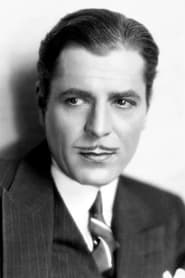
The making of 'Linda' was significant due to Dorothy Davenport's role as director during an era when women were increasingly being pushed out of directorial positions in Hollywood. Davenport had previously been an actress and was married to actor Wallace Reid, whose death from drug addiction had led her to become an advocate for drug awareness and social issues in film. The production of 'Linda' reflected her commitment to addressing serious social themes through cinema. The film was made during the challenging transition to sound, which required significant technical adaptation and increased production costs. The cast included established stars like Warner Baxter, who was at the peak of his career, alongside emerging talents. The filming likely took place on location in and around Los Angeles, utilizing the growing studio infrastructure of late 1920s Hollywood.
What critics said
Retrospective writing on Linda stresses craft by Dorothy Davenport, print survival, and repertory value rather than opening-week gross alone.
Did you know?
- Dorothy Davenport was one of the few women directing films in Hollywood during the 1920s, making this film particularly significant from a gender equality perspective in early cinema.
- The film was released during the critical transition period from silent films to talkies, which made it part of a revolutionary era in filmmaking.
- Warner Baxter, who starred in the film, would go on to win an Academy Award for Best Actor the following year for his role in 'In Old Arizona' (1929).
- Dorothy Davenport was not only a director but also an actress and screenwriter, making her among the leading versatile women in early Hollywood.
- The film's themes of forced marriage and women's autonomy were quite progressive for its time, reflecting the changing social attitudes of the late 1920s.
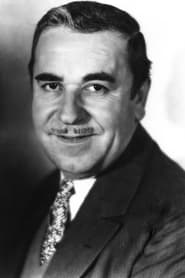
- Noah Beery, who appears in the film, was part of a famous acting family and was the father of Oscar-winning actor Noah Beery Jr.
- The film was produced independently, which was relatively rare for major Hollywood productions of the era.
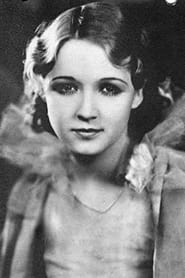
- Helen Foster, who played the title role, was a popular actress in the late 1920s but her career declined with the advent of sound films.
- The film's subject matter of domestic abuse and forced marriage was considered controversial for its time but reflected real social issues that were rarely addressed in cinema.
- This film represents one of the earliest examples of a female director tackling serious social issues in American cinema.
Visual style
The cinematography of 'Linda' would have reflected the transitional nature of 1929 filmmaking, incorporating techniques from both the silent and early sound eras. The film likely used static camera positions more frequently than later sound films due to the limitations of early sound recording equipment. Lighting would have been dramatic and expressive, following the conventions of late silent cinema with strong contrasts between light and shadow to enhance emotional impact. The visual style probably emphasized the claustrophobic nature of Linda's oppressive home environment through tight framing and confined spaces. As an early sound film, it may have still incorporated some intertitles for dialogue or exposition, blending silent and sound techniques. The cinematography would have served the film's dramatic themes through careful composition and lighting that reinforced the emotional states of the characters.
Innovations
As a 1929 production, 'Linda' was part of the revolutionary transition from silent to sound cinema, representing a significant technical achievement in itself. The film would have utilized early sound recording technology, which was still being perfected and presented numerous challenges for filmmakers. The synchronization of picture and sound, which we take for granted today, was cutting-edge technology in 1929. The film's production would have required specialized sound stages and modified camera equipment to accommodate the bulky and noisy sound recording apparatus of the era. The lighting techniques would have been adapted to work with the sensitive sound recording equipment, often requiring more powerful lights that generated significant heat. As an independent production, the film's technical achievements were particularly impressive given the likely budget constraints compared to major studio productions of the time.
Music
As a 1929 film, 'Linda' would have featured a synchronized musical score and possibly some sound effects, though it may have been primarily a silent film with musical accompaniment. The soundtrack would have been typical of early sound films, featuring orchestral music that emphasized the dramatic moments and emotional beats of the story. If the film included any dialogue, it would have been recorded using early sound-on-film technology, which often resulted in somewhat tinny or muffled audio quality. The musical score would have been composed specifically for the film or adapted from existing classical pieces, following the common practice of the era. The music would have served to enhance the emotional impact of key scenes, particularly during moments of romantic tension or family conflict. The limited technical capabilities of 1929 sound recording would have constrained the complexity of the audio presentation.
Famous quotes
I cannot marry him, Father. My heart belongs to another.
A woman's life is not her own when men decide her fate.
Love cannot be bought or sold, only given freely.
In this world, a daughter must obey her father, even when it breaks her heart.
Memorable scenes
- The climactic confrontation scene where Linda finally stands up to her abusive father and refuses to go through with the arranged marriage.
- The secret meeting between Linda and the young doctor in the garden, where they declare their love for each other despite the obstacles.
- The tense dinner scene where Linda's father announces her engagement to the older man, showcasing the oppressive family dynamics.
What audiences thought
Audience reception of 'Linda' in 1929 is not well documented in surviving records. The film was released during a period of massive change in cinema, with audiences still adapting to talkies and increasingly sophisticated storytelling techniques. The serious social themes may have resonated with audiences dealing with the early effects of the Great Depression. As an independent production, it likely had limited distribution compared to major studio releases, which would have affected its audience reach. The presence of popular actors like Warner Baxter would have helped attract viewers. Contemporary audiences might have found the film's treatment of women's issues either refreshingly progressive or uncomfortably challenging, depending on their personal perspectives. The film's survival and rediscovery by film enthusiasts suggest it found appreciative viewers, even if it wasn't a commercial blockbuster.
Film connections
Influenced by
- Social problem films of the 1920s
- Women's suffrage movement media
- Domestic melodrama tradition
- Early feminist cinema
This film influenced
- Later women's issue films
- Social problem dramas of the 1930s
- Independent films addressing women's autonomy
Film restoration
The preservation status of 'Linda' (1929) is unclear, and the film may be partially or completely lost. Many films from this period, particularly independent productions, have not survived due to the unstable nature of early film stock and lack of systematic preservation efforts. The transition to sound also led to the destruction of many silent-era films as they were considered obsolete. Some archives or film preservation organizations may hold fragments or copies of the film, but comprehensive information about its survival status is not readily available. The film's historical significance as a work by a female director makes its preservation particularly important, though the challenges of restoring and maintaining films from this era are substantial.
Where to watch
- Due to the film's age and uncertain preservation status, 'Linda' (1929) is likely not widely available on modern streaming platforms or home video formats. Film enthusiasts interested in viewing this rare work may need to contact specialized film archives, museums, or film preservation organizations that maintain collections of early cinema. The Library of Congress, the Academy Film Archive, or university film departments with extensive classic film collections might hold copies or fragments of the film. Some specialized film societies or classic cinema festivals occasionally screen rare films from this period. Online databases of lost films or film preservation efforts may provide information about any surviving copies or restoration projects related to this particular film.