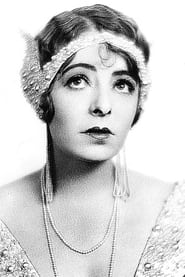
Dorothy Davenport
Director
Born: March 13, 1895 in Boston, Massachusetts, USA Died: October 12, 1977 Active: 1910-1940s Birth Name: Dorothy Davenport Reid
Films
1 film
About Dorothy Davenport
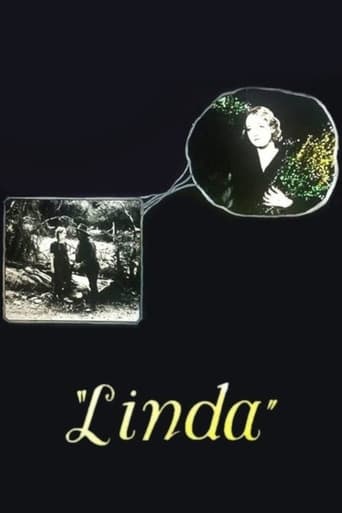
Figure in early Hollywood who successfully transitioned from silent film actress to director and producer during a time when few women held such positions. Born into a theatrical family, she began her acting career in the early 1910s and quickly rose to prominence, marrying superstar Wallace Reid in 1913. After her husband's tragic death from morphine addiction in 1923, she channeled her grief into purposeful filmmaking, becoming one of Hollywood's first female directors to tackle controversial social issues. Her directorial work, including the 1929 film 'Linda,' focused on moral and social reform topics that were considered daring for the era. Throughout the late 1920s and early 1930s, she wrote, produced, and directed numerous films that addressed drug addiction, alcoholism, and other societal problems. Davenport was instrumental in establishing the Reid Productions studio and continued working in film production through the 1940s, leaving a lasting legacy as one of early cinema's most influential female filmmakers.
The Craft
Behind the Camera
Davenport's directing style was characterized by its social consciousness and moral purpose. She employed a straightforward, documentary-like approach to storytelling, focusing on real-world issues rather than escapist entertainment. Her films often featured strong female protagonists and addressed controversial topics with a reformist perspective, using cinema as a tool for social education and change.
Milestones
- Marriage to silent film superstar Wallace Reid (1913-1923)
- Transition to directing after husband's death (1923)
- Founded Reid Productions studio
- Directed 'Linda' (1929), her most notable directorial work
- Pioneered social issue films in early Hollywood
- One of few women directors working in the 1920s-1930s
Best Known For
Iconic Roles
Must-See Films
Accolades
Special Recognition
- Pioneer recognition as one of early Hollywood's few female directors
- Posthumous acknowledgment for contributions to social issue cinema
Working Relationships
Worked Often With
Studios
Why They Matter
Impact on Culture
Dorothy Davenport made significant cultural impact by using cinema as a vehicle for social reform during the conservative 1920s and 1930s. Her films tackling drug addiction, alcoholism, and other social taboos helped bring these issues into public discourse at a time when such topics were rarely addressed in mainstream entertainment. As one of the few women directors working in Hollywood during this period, she challenged gender barriers and paved the way for future female filmmakers. Her work demonstrated that commercial cinema could successfully address serious social issues without sacrificing audience appeal, influencing the development of the social problem film genre.
Lasting Legacy
Dorothy Davenport's legacy endures as a trailblazer for women in film and a pioneer of socially conscious cinema. Though many of her films have been lost to time, historical recognition of her contributions has grown in recent decades as film historians have begun to acknowledge the important role women played in early Hollywood. Her story represents both the possibilities and limitations faced by women in the film industry during the studio era. Today, she is remembered not only for her artistic achievements but also for her courage in addressing controversial social issues and her determination to continue her career despite the personal tragedies she endured.
Who They Inspired
Davenport influenced subsequent generations of filmmakers by demonstrating that commercial cinema could serve as a platform for social commentary. Her success as an independent producer and director inspired other women to pursue careers behind the camera. Her approach to social issue filmmaking prefigured later developments in documentary and narrative cinema that addressed real-world problems. Contemporary female directors often cite early pioneers like Davenport as inspiration for breaking through industry barriers and using film as a medium for social change.
Off Screen
Dorothy Davenport's personal life was marked by both triumph and tragedy. Born into show business, she married Wallace Reid, one of the biggest stars of the silent era, with whom she had two children, Wallace Reid Jr. And Betty Mummert. Her life was forever changed when her husband died from morphine addiction in 1923, turning her into an outspoken advocate against drug abuse. She later married film executive James B. Mummert in 1931. Throughout her life, she maintained her commitment to social reform and used her platform to address important issues affecting American society.
Education
Limited formal education, trained in acting through practical experience in theater and early film
Family
- Wallace Reid (1913-1923)
- James B. Mummert (1931-1977)
Did You Know?
- She was only 18 when she married Wallace Reid, who was already a major star
- After her husband's death, she became one of Hollywood's first anti-drug advocates
- She formed her own production company, Reid Productions, to maintain creative control
- Many of her films are now considered lost, a common fate for early sound films
- She was one of the few women to direct films during the transition from silent to sound cinema
- Her film 'Human Wreckage' (1923) was one of the first to directly address drug addiction
- She worked as both director and producer on many of her projects, unusual for the era
- Her active years covered the entire transition from silent films to talkies
- She continued working in film production into her 50s, well beyond the typical retirement age for women in early Hollywood
- Her children also entered the film industry, continuing the family legacy
In Their Own Words
I determined to carry on the work that Wallace and I had planned together - to make pictures with a purpose.
The motion picture camera is the greatest teacher of morality the world has ever known.
If my pictures can save one family from the tragedy that struck mine, then my work has not been in vain.
Frequently Asked Questions
Who was Dorothy Davenport?
American actress, on YTB.my. She was one of the few women directors in early Hollywood and was known for creating socially conscious films that addressed controversial topics like drug addiction and alcoholism.
What films is Dorothy Davenport best known for?
Titles linked here include Linda (1929), The Red Kimona (1925) - producer.
When was Dorothy Davenport born and when did she die?
Born March 13, 1895; died October 12, 1977.
What awards did Dorothy Davenport win?
While Dorothy Davenport did not receive major formal awards during her lifetime, she has been posthumously recognized as a woman in film history. Her legacy is honored through film historical societies and women in cinema organizations that acknowledge her trailblazing role as a female director and producer.
What was Dorothy Davenport's directing style?
Dorothy Davenport's directing style was characterized by its social consciousness and moral purpose. She employed a straightforward approach to storytelling, focusing on real-world issues rather than escapist entertainment. Her films often featured strong female protagonists and used cinema as a tool for social education and reform.