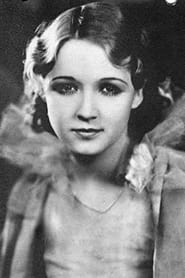
Helen Foster
Actor
Born: October 23, 1906 in Topeka, Kansas, USA Died: December 25, 1982 Active: 1928-1931
Films
3 films
About Helen Foster
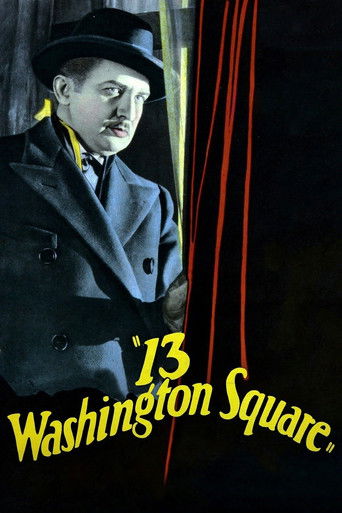
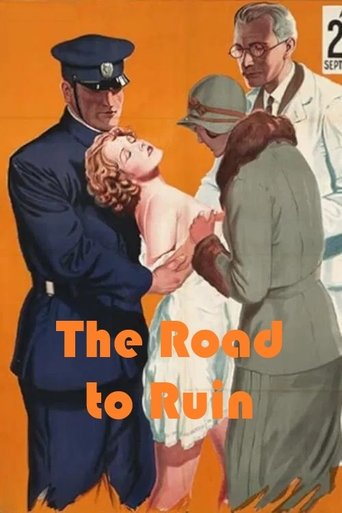
American actress who emerged during the pivotal transition from silent films to talkies in the late 1920s. She began her film career in 1928 and quickly gained attention for her role in the controversial exploitation film 'The Road to Ruin' (1928), which tackled sensitive subjects like premarital sex and venereal disease that were rarely addressed openly in cinema during that era. Her performance demonstrated remarkable courage and dramatic range for a young actress entering Hollywood during the censorship challenges of the period. Foster also showcased her versatility by appearing in other films including '13 Washington Square' (1928) and 'Linda' (1929), proving her ability to handle different genres from melodrama to social commentary. Her career, though brief, coincided with transformative periods in film history, as the industry adapted to new sound technologies and changing audience expectations. By the early 1930s, Foster had largely disappeared from the silver screen, following a pattern common to many actors who struggled to maintain careers during Hollywood's transition to sound. Her legacy remains tied to her work in exploitation cinema and her representation of the challenges faced by actresses during this revolutionary period in American film history.
The Craft
On Screen
Helen Foster's acting style was characteristic of the late silent era, emphasizing expressive facial features and dramatic gestures that could convey emotion without dialogue. In 'The Road to Ruin,' she demonstrated a naturalistic approach that was ahead of its time, bringing authenticity to controversial subject matter. Her performances showed a willingness to tackle difficult and socially relevant themes, displaying both vulnerability and strength in her character portrayals. As she transitioned to talkies, her voice proved suitable for the new medium, though her career was cut short before she could fully develop her sound-era technique.
Milestones
- Breakthrough role in controversial exploitation film 'The Road to Ruin' (1928)
- Successful transition from silent films to early talkies
- Starred in '13 Washington Square' (1928)
- Lead role in 'Linda' (1929)
- Worked during Hollywood's pivotal transition to sound cinema
Best Known For
Iconic Roles
Must-See Films
Working Relationships
Worked Often With
Studios
Why They Matter
Impact on Culture
Helen Foster's cultural impact lies primarily in her work in exploitation cinema during a period when Hollywood was governed by strict moral codes. Her role in 'The Road to Ruin' was significant for its frank approach to taboo subjects, pushing the boundaries of what could be shown on screen and contributing to the ongoing debates about film censorship that would eventually lead to the Hays Code. Her performances helped establish the exploitation film genre as a venue for addressing social issues that mainstream Hollywood avoided. Foster's career trajectory also exemplifies the challenges faced by many actors during the transition from silent films to talkies, serving as a case study in the difficulties of maintaining a career during this transformative period in cinema history.
Lasting Legacy
Helen Foster's legacy endures through her contributions to early exploitation cinema and her representation of the transitional period between silent films and talkies. Her work in 'The Road to Ruin' remains historically significant as an example of how independent filmmakers addressed social issues that mainstream Hollywood avoided during the pre-Code era. Film historians and scholars of exploitation cinema continue to study her performances as examples of early attempts at social commentary in American cinema. Her brief career serves as a reminder of the many talented actors who were unable to sustain their careers during Hollywood's dramatic technological and structural changes in the late 1920s and early 1930s.
Who They Inspired
While Helen Foster's direct influence on other actors was limited due to her brief career, her work in exploitation films influenced subsequent generations of actors working in independent and socially conscious cinema. Her willingness to tackle controversial subjects helped pave the way for future performers in exploitation and independent films who addressed taboo topics. Her career trajectory also serves as a cautionary tale about the instability of film careers during periods of technological change, offering lessons about adaptability and career management that remain relevant to actors in subsequent eras of cinematic evolution.
Off Screen
Helen Foster was born and raised in Topeka, Kansas, before moving to Hollywood to pursue her acting career during the film industry's boom years. She married actor James Hall in 1929, though the marriage ended in divorce in 1931, coinciding with the decline of her film career. After leaving Hollywood, Foster largely retreated from public life, maintaining a private existence away from the entertainment industry. She spent her later years living in California, where she passed away on Christmas Day in 1982 at the age of 76. Her personal life remained relatively private compared to many of her contemporaries, with few details about her post-Hollywood activities becoming public knowledge.
Family
- James Hall (1929-1931)
Did You Know?
- 'The Road to Ruin' was so controversial that it was frequently banned or heavily censored in various regions
- She married her co-star James Hall after working together on several films
- The film 'The Road to Ruin' was remade in 1934 with a different cast, indicating its commercial success
- Foster was one of the few actresses willing to appear in exploitation films during this period
- Her active years covered only 3-4 years, coinciding with the transition from silent films to talkies
- She was born in Kansas but moved to Hollywood during the film industry's expansion
- Her death on Christmas Day 1982 went largely unnoticed by mainstream media
- Exploitation films like 'The Road to Ruin' were often shown in alternative venues rather than mainstream theaters
Frequently Asked Questions
Who was Helen Foster?
Screen credits include silent films and early talkies. She is best known for her role in the controversial exploitation film 'The Road to Ruin' (1928), which addressed taboo subjects like premarital sex and venereal disease. Her active years covered the pivotal transition period from silent cinema to sound films, though she retired from acting by the early 1930s.
What films is Helen Foster best known for?
Titles linked here include The Road to Ruin (1928), 13 Washington Square (1928).
When was Helen Foster born and when did she die?
Born October 23, 1906; died December 25, 1982.
What awards did Helen Foster win?
Helen Foster did not receive any major awards or nominations during her brief acting career. Her work was primarily in independent and exploitation films, which were generally not considered for mainstream industry awards during her active period in the late 1920s and early 1930s.
What was Helen Foster's acting style?
Helen Foster's acting style was typical of the late silent era, featuring expressive facial features and dramatic gestures suitable for non-verbal storytelling. She demonstrated a naturalistic approach in 'The Road to Ruin,' bringing authenticity to controversial subject matter. Her performances showed dramatic range and a willingness to tackle difficult social themes that were rarely addressed in mainstream cinema of her time.
Why did Helen Foster's career end so quickly?
Helen Foster's career ended by the early 1930s, likely due to a combination of factors including the challenges many actors faced during Hollywood's transition to sound films and the controversial nature of her work in exploitation cinema. Her divorce from actor James Hall in 1931 may have also influenced her decision to leave the industry. Many actors from this period struggled to maintain careers during this transformative time in Hollywood history.