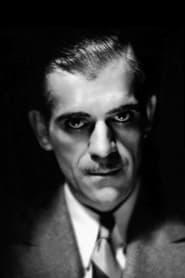
Boris Karloff
Actor
Born: November 23, 1887 in Camberwell, London, England Died: February 2, 1969 Active: 1909-1969 Birth Name: William Henry Pratt
Films
6 films

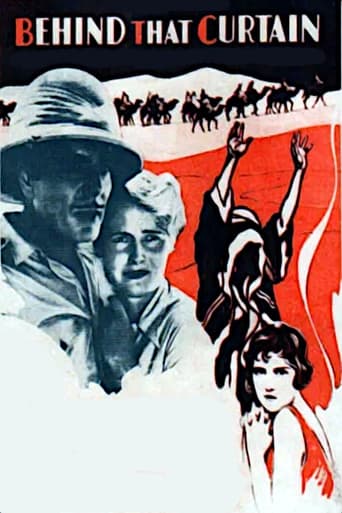
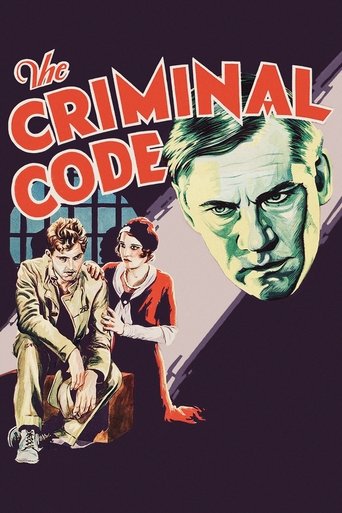
About Boris Karloff
Boris Karloff, born William Henry Pratt, was one of cinema's most horror actors who rose to international fame through his portrayal of Frankenstein's monster in 1931. Beginning his career in silent films as an extra and bit player, Karloff struggled for years in Hollywood before landing his breakthrough role at age 44. His distinctive voice, imposing physical presence, and ability to convey pathos beneath monstrous makeup made him Universal Pictures' premier horror star throughout the 1930s. Beyond his horror legacy, Karloff demonstrated remarkable versatility, appearing in over 200 films across genres including drama, comedy, and mystery. He successfully transitioned to television in the 1950s and 1960s, hosting and starring in anthology series that introduced horror to new generations. Despite being typecast, Karloff embraced his horror icon status and used his platform to advocate for better treatment of genre actors. His final years saw a resurgence of interest in his work, cementing his status as a beloved figure in popular culture.
The Craft
On Screen
Karloff developed a unique acting style characterized by his deep, resonant voice and deliberate, measured movements that conveyed both menace and sympathy. He mastered the art of performing under heavy prosthetic makeup, using his eyes and subtle facial expressions to communicate emotion when his features were obscured. His approach to horror roles emphasized the tragic and sympathetic aspects of his characters, often portraying monsters as victims of circumstance rather than purely evil beings. Karloff's background in stage acting informed his precise diction and theatrical presence, which translated effectively to both film and radio performances.
Milestones
- Breakthrough role as Frankenstein's Monster (1931)
- Starring role in The Mummy (1932)
- Formation of the 'Big Three' of Universal Horror with Lugosi and Chaney Jr.
- Broadway debut in Arsenic and Old Lace (1941)
- Narration and voice work in Dr. Seuss' How the Grinch Stole Christmas (1966)
- Star of television's Thriller and The Veil anthology series
- Final film appearances in Targets (1968) and The Crimson Cult (1968)
Best Known For
Iconic Roles
Must-See Films
Accolades
Won
- Saturn Award for Best Supporting Actor (1969, posthumous for Targets)
- Golden Laurel for Male Star of the Year (1939)
Nominated
- Academy Award nomination for Best Supporting Actor (1936 for The Black Cat)
- Hollywood Walk of Fame Star (1960)
Special Recognition
- Hollywood Walk of Fame Star at 1737 Vine Street
- Inducted into the Monster Kid Hall of Fame
- Posthumous star on Canada's Walk of Fame
- AFI's 100 Years.100 Movie Quotes recognition for 'It's alive!' line
- Multiple horror film festival lifetime achievement awards
Working Relationships
Worked Often With
Studios
Why They Matter
Impact on Culture
Boris Karloff fundamentally shaped the horror genre and popular culture's conception of movie monsters. His portrayal of Frankenstein's monster created the template for sympathetic monsters, influencing countless horror films and performers. Karloff's distinctive voice and persona made him one of the first horror actors to achieve mainstream celebrity status, appearing on variety shows, commercials, and even children's programming. He helped elevate horror from B-movie status to legitimate art form, bringing dignity and depth to genre performances. His work with Universal Pictures established the studio as the horror powerhouse of the 1930s and created enduring horror franchises that continue to be rebooted today. Karloff's influence extended beyond film into radio, television, and even holiday specials, demonstrating the versatility and appeal of his unique persona across media.
Lasting Legacy
Boris Karloff's legacy endures as the quintessential horror icon whose influence spans generations of filmmakers and performers. He transformed horror acting from mere spectacle to art form, bringing psychological depth and humanity to monstrous characters. The makeup techniques pioneered for his Frankenstein role revolutionized cinematic special effects and continue to influence modern monster design. Karloff's successful transition to television helped establish horror as a viable genre for the small screen, paving the way for countless horror anthology series. His voice work, particularly as the Grinch, showed how horror performers could find success in family entertainment, broadening the appeal of genre actors. Today, Karloff remains a beloved figure whose image and voice are instantly recognizable, representing both the golden age of horror cinema and the artistry behind monster performances.
Who They Inspired
Karloff influenced generations of horror actors including Vincent Price, Christopher Lee, Peter Cushing, and Robert Englund, who all cited his ability to bring humanity to monsters as inspiration. His techniques for performing under heavy makeup influenced special effects artists and performers alike, establishing standards for creature acting. Directors like Tim Burton and Guillermo del Toro have referenced Karloff's work in creating sympathetic monsters. His success proved that horror actors could achieve mainstream stardom, opening doors for genre performers. Karloff's approach to horror as both terrifying and tragic influenced the development of psychological horror and the modern anti-hero character archetype in cinema.
Off Screen
Karloff was married five times and had one daughter, Sara Karloff, who became his biographer and protector of his legacy. Despite his terrifying screen persona, off-screen he was known as a gentle, well-educated man who enjoyed gardening, poetry, and playing with his many pets. He was a founding member of the Screen Actors Guild and actively advocated for actors' rights throughout his career. Karloff was also a dedicated philanthropist, often visiting children's hospitals in costume to entertain young patients, carefully maintaining his horror persona while bringing joy to sick children.
Education
Attended Uppingham School in England, studied at King's College London but left without graduating, later attended the University of London for a brief period
Family
- Grace Harding (1910-1913)
- Olive de Wilton (1914-1919)
- Helena Vivian Soule (1920-1930)
- Dorothy Stine (1930-1946)
- Evelyn Helmore (1946-1969, until his death)
Did You Know?
- He chose the stage name 'Karloff' from his mother's family name, originally 'Karlov'
- Despite being typecast as a horror star, he was actually a classically trained Shakespearean actor
- He was colorblind, which sometimes created challenges with makeup and costume coordination
- Karloff — founding member of the Screen Actors Guild in 1933
- He appeared as a contestant on the TV game show 'You Bet Your Life' in 1955
- His distinctive back problems and arthritis necessitated the stiff, lumbering walk he used as Frankenstein's monster
- Karloff — accomplished poet and published a collection of children's verse
- He was a distant cousin of Princess Diana through the Spencer family connection
- The famous 'It's alive!' line from Frankenstein was actually delivered by Colin Clive, not Karloff
- Karloff's daughter Sara was born on his 51st birthday, November 23, 1938
In Their Own Words
In my mind, the monster was not evil. He was just misunderstood and rejected by everyone because of his appearance.
Horror means something revolting. Anybody can show you a bucket of blood and call it horror. I'm interested in the more subtle aspects of fear.
I was a member of the Royal Academy of Dramatic Art, but I was thrown out for not being able to do Shakespeare.
The monster was the best friend I ever had. He was misunderstood, and so was I.
Children are not afraid of me. They love the monster. It's the adults who have the problem.
Frequently Asked Questions
Who was Boris Karloff?
British with credits in this catalog. Born William Henry Pratt, he appeared in over 200 films and became synonymous with the horror genre throughout the 1930s and beyond.
What films is Boris Karloff best known for?
Titles linked here include Frankenstein (1931), The Mummy (1932).
When was Boris Karloff born and when did he die?
Born November 23, 1887; died February 2, 1969.
What awards did Boris Karloff win?
Karloff received a Golden Laurel for Male Star of the Year in 1939 and a posthumous Saturn Award for Best Supporting Actor for his final film Targets (1968). He was nominated for an Academy Award for Best Supporting Actor for The Black Cat (1936) and received a star on the Hollywood Walk of Fame in 1960.
What was Boris Karloff's acting style?
Karloff's acting style was characterized by his deep, resonant voice and deliberate movements that conveyed both menace and sympathy. He excelled at performing under heavy makeup, using subtle expressions to communicate emotion. His approach emphasized the tragic aspects of his characters, often portraying monsters as victims rather than purely evil beings.
Did Boris Karloff have any children?
Yes, Boris Karloff had one daughter, Sara Karloff, born in 1938 from his marriage to Dorothy Stine. Sara became her father's biographer and continues to manage his estate and legacy, often appearing at horror conventions and film retrospectives.
Was Boris Karloff really scary in real life?
Contrary to his terrifying screen persona, Boris Karloff was known as a gentle, well-educated, and kind man in real life. He enjoyed poetry, gardening, and was beloved by children, often visiting hospitals in costume to entertain young patients while carefully maintaining his character's mystique.