

The Ghoul
"British Egyptologist."
Keys: Space play/pause · ←/→ 10s · F fullscreen · M mute · </> speed
About this film
British Egyptologist, Professor Morlant, seeks immortality through the power of a jewel buried in the tomb of an Oriental idol. Upon his death, Morlant returns to earth to seek vengeance upon those who removed the jewel from his grave.
Cast & crew
More films like this
More Horror films
View all →

More about this film
About the production
Release dateAugust 1933 (UK), October 1933 (US)
Budget£60,000 (approximately $290,000 in 1933 USD)
Box officeThe film was a commercial success in Britain and performed moderately well in the United States, though exact figures are not preserved in studio records
ProductionGaumont British Picture Corporation, Gainsborough Pictures
Filmed inShepperton Studios, Shepperton, Surrey, England, On-location shooting at various country estates in the English countryside
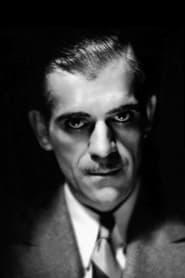
The Ghoul was among the costliest British productions of its time, utilizing elaborate sets and special effects. The tomb sequences were particularly complex, requiring extensive construction of Egyptian-inspired sets. The production faced challenges with British censorship regarding horror content, requiring several cuts to secure exhibition approval. The film's makeup effects for Karloff's mummy-like appearance were considered groundbreaking for British cinema at the time.
Themes
Immortality and the fear of deathThe corruption of greedAncient curses and supernatural vengeanceThe clash between modern rationality and ancient superstitionBetrayal and family dysfunction
Themes & topics
EgyptologistimmortalitycurserevengetombjewelsupernaturalmummygreedbetrayalGothic horrorhaunted house
Historical background
The 1933 release of The Ghoul belongs to its era's exhibition habits rather than today's franchise model.
Why this film matters
Historians treat The Ghoul as evidence of what typical 1933 audiences could see in a program slot.
Making of
The production of The Ghoul was marked by several significant challenges and innovations. The film's elaborate Egyptian tomb sets were constructed at Shepperton Studios under the supervision of art director Wilfred Arnold, who studied actual Egyptian tomb designs to ensure authenticity. Boris Karloff, already established as a horror star from Frankenstein, brought his own expertise to the makeup design, working closely with the British makeup artists to create a different type of undead appearance than his Frankenstein monster. The film's sound recording was particularly challenging, as the actors had to perform in heavy makeup and costumes while delivering lines clearly in the early sound recording environment. Director T. Hayes Hunter, unfamiliar with horror, reportedly relied heavily on Karloff's experience with the genre. The production also faced difficulties with British censors, who objected to several scenes involving grave robbery and supernatural elements, requiring multiple revisions and cuts to secure exhibition approval.
What critics said
Specialist critics today emphasize preservation when a viewable copy of The Ghoul survives.
Did you know?
- Boris Karloff was paid £5,000 for his role, making him one of the highest-paid actors in British cinema at the time
- The film was considered lost for decades until a complete print was discovered in the Czech Republic in the 1980s
- This was Karloff's first film after his breakthrough in 'Frankenstein' (1931), making him one of the first horror stars to be imported from Hollywood to Britain
- The original story was written by John L. Balderston, who also worked on the scripts for 'Frankenstein' and 'Dracula'
- The film's special effects, including the rising from the grave sequence, were achieved using wires and carefully timed camera work
- Cedric Hardwicke and Ernest Thesiger would both later appear in classic Universal horror films
- The jewel prop used in the film was actually made of glass and cost £50 to create - a significant amount for a single prop in 1933
- Director T. Hayes Hunter was primarily known for comedies before , making this his only major horror production
- The film was banned in several countries for being too frightening, including parts of the British Empire
- Karloff's makeup took three hours to apply each day and had to be touched up between takes
Awards & recognition
- No major awards were given to , as the British film award system was not yet established in 1933
Visual style
The cinematography by Arthur Edeson and Günther Krampf was notable for its use of dramatic lighting and shadow to create Gothic atmosphere. The film employed extensive use of chiaroscuro techniques, particularly in the tomb and mansion sequences, to enhance the supernatural elements. The camera work included innovative tracking shots for the period, especially during Morlant's stalking sequences through the mansion. The cinematographers made effective use of the limited lighting available in early sound stages, creating deep shadows that became hallmarks of the horror genre. The film's visual style was heavily influenced by German Expressionism, with its distorted angles and dramatic use of light and shadow.
Innovations
The Ghoul featured several technical innovations for British cinema of the period. The makeup effects for Karloff's transformation were particularly advanced, using newly developed rubber prosthetics that were more flexible than earlier techniques. The film's special effects, including the rising from the grave sequence, utilized a combination of mechanical effects and careful camera work that was innovative for the time. The sound recording techniques employed were advanced for British studios, with particular attention to capturing atmospheric sounds without dialogue interference. The film's set construction techniques for the Egyptian tomb were groundbreaking, incorporating movable sections for different camera angles. The production also pioneered certain lighting techniques that would become standard in horror cinematography.
Music
The musical score was composed by Louis Levy, who was one of Britain's leading film composers of the early sound era. The soundtrack made innovative use of diegetic music, particularly during scenes involving the Egyptian tomb rituals. Levy incorporated exotic musical elements to enhance the Egyptian setting, using unusual instrumentation for the period. The film's sound design was particularly advanced for its time, with effective use of ambient sounds to create atmosphere. The musical cues were synchronized closely with the on-screen action, a relatively new technique in early sound cinema. The score emphasized low, ominous tones during supernatural sequences, establishing musical conventions that would influence later horror film scoring.
Famous quotes
I shall return! The jewel will bring me back from the dead! - Professor Morlant
The dead do not forgive betrayal - they only wait - Kaney
Some things are better left buried, Mr. Morlant. Some secrets should die with their keepers - Ralph Morlant
The Eternal Light... it burns for eternity, and so shall I - Professor Morlant
You think you can steal from the dead? The dead take what they are owed - Professor Morlant
Memorable scenes
- The opening deathbed scene where Professor Morlant makes his pact with Anubis and delivers his curse upon those who would steal his jewel
- The elaborate Egyptian burial sequence with authentic-looking rituals and the sealing of the tomb
- The shocking reveal of Morlant rising from his tomb as a mummified figure, accomplished through wires and dramatic lighting
- The tense stalking sequences through the darkened mansion as Morlant seeks revenge on his betrayers
- The final confrontation in the tomb where the true nature of the curse and the jewel are revealed
What audiences thought
Audience reception in 1933 was generally positive, with the film performing well at the British box office and achieving moderate success in the United States. Contemporary reports suggest that audiences were particularly impressed by Karloff's performance and the film's special effects, especially the scenes of Morlant rising from his tomb. The film developed a cult following over the decades, particularly among horror film enthusiasts who appreciated its Gothic atmosphere and Karloff's menacing presence. Modern audiences, following the film's restoration, have shown renewed interest, with many considering it a superior example of early 1930s horror cinema. The film's reputation has grown over time, with many viewers praising its atmospheric tension and the performances of its distinguished British cast.
Film connections
Influenced by
- German Expressionist cinema (particularly in visual style)
- Universal horror films (particularly Frankenstein)
- Victorian Gothic literature
- Ancient Egyptian mythology and funerary texts
- The Mummy (1932) - though released later, both drew from similar sources
This film influenced
- The Mummy (1932 Universal film)
- Hammer horror films of the 1950s-60s
- British horror films of the 1930s
- Later mummy films including the 1999 The Mummy
- Gothic horror television series
Film restoration
The Ghoul was considered a lost film for nearly 50 years until a complete 35mm print was discovered in the Czech National Film Archive in Prague in 1985. The discovered print was in remarkably good condition and was subsequently restored by the British Film Institute. The restored version has been released on DVD and Blu-ray by various distributors, ensuring the film's preservation for future generations. Some minor damage remains in certain scenes, but the film is now considered well-preserved and accessible to modern audiences.
Where to watch
- Available on DVD from The Criterion Collection
- Streaming on The Criterion Channel
- Available on Blu-ray from Kino Lorber
- Digital purchase on Amazon Prime Video
- Available for streaming on Shudder (with subscription)
- Occasionally broadcast on Turner Classic Movies
- Available for rental on iTunes/Apple TV