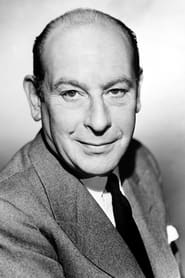
Cedric Hardwicke
Actor
Born: February 19, 1893 in Lye, Worcestershire, England Died: August 6, 1964 Active: 1912-1964 Birth Name: Cedric Webster Hardwicke
Films
5 films


About Cedric Hardwicke
Sir Cedric Hardwicke — British stage and film actor whose over four decades, beginning in the silent era and continuing through Hollywood's Golden Age. Born into a working-class family in England, he overcame early adversity to attend the Royal Academy of Dramatic Art, launching his stage career in 1912. Hardwicke gained prominence on the London stage before transitioning to films in the 1930s, where his commanding presence and distinctive baritone voice made him ideal for authority figures, aristocrats, and intellectuals. Cedric appears in numerous British classics before moving to Hollywood in 1939, where he became a sought-after character actor in prestigious productions. His filmography includes over 100 films, ranging from historical epics to psychological dramas, often playing bishops, doctors, judges, and other figures of authority. Hardwicke was knighted in 1934 for his services to drama, making him one of the few actors to receive this honor during their active career. He continued working steadily through the 1950s, appearing in both film and television productions until his death in 1964.
The Craft
On Screen
Hardwicke was known for his dignified, authoritative presence and distinctive resonant baritone voice. He specialized in playing men of intelligence, authority, and moral complexity, often bringing gravitas and psychological depth to his characters. His acting was characterized by precise diction, controlled emotional expression, and a theatrical yet naturalistic approach that translated well from stage to screen. Hardwicke excelled at portraying historical figures and intellectuals, bringing authenticity and intellectual weight to roles ranging from biblical characters to Victorian gentlemen.
Milestones
- Knighted by King George V in 1934 for services to drama
- Starred in the first British color film 'Becky Sharp' (1935)
- Moved to Hollywood in 1939 and signed with RKO Pictures
- Appeared in over 100 films across four decades
- Performed on Broadway in 'A Man for All Seasons' (1961)
- Served in the British Army during World War I
- Became a naturalized American citizen in 1947
Best Known For
Iconic Roles
Must-See Films
Accolades
Won
- Knight Bachelor (1934)
Nominated
- Academy Award nomination for Best Actor for 'The Story of Louis Pasteur' (1936)
Special Recognition
- Hollywood Walk of Fame star (6608 Hollywood Boulevard)
- Knighted for services to drama (1934)
- Commander of the Order of the British Empire (CBE)
Working Relationships
Worked Often With
Studios
Why They Matter
Impact on Culture
Sir Cedric Hardwicke represented the epitome of British classical acting in Hollywood's Golden Age, bringing theatrical gravitas and intellectual authority to American cinema. His presence in numerous prestigious productions helped legitimize the character actor as an essential element of film artistry, demonstrating that supporting roles could be as memorable and significant as leading parts. Hardwicke's ability to seamlessly transition between British and American productions helped bridge the gap between the two film industries during a crucial period of international cinema development. His dignified portrayal of historical and intellectual figures set a standard for authenticity and depth in period filmmaking.
Lasting Legacy
Hardwicke's legacy endures through his extensive body of work in classic cinema, particularly his memorable characterizations that elevated supporting roles to art forms. As one of the few actors knighted during their active career, he set a precedent for recognition of dramatic arts at the highest levels. His influence can be seen in the careers of subsequent character actors who specialized in authoritative, intellectual roles. The continuation of his acting dynasty through his son Edward Hardwicke further extends his impact on British theater and film. His performances remain benchmarks for actors portraying historical figures and men of authority in period dramas.
Who They Inspired
Hardwicke influenced generations of actors through his demonstration that character acting could achieve both critical acclaim and popular success. His technique of combining theatrical precision with cinematic naturalism became a model for classically trained actors transitioning to film. Many subsequent British actors in Hollywood, including Claude Rains and George Sanders, followed similar career paths that Hardwicke helped establish. His emphasis on intellectual preparation and psychological depth in character creation influenced method acting approaches while maintaining classical technique. His success in both British and American cinema paved the way for future international acting careers.
Off Screen
Hardwicke was married twice and had one son. His first marriage to English actress Helena Pickard ended in divorce in 1948 after 21 years. He married American actress Mary Scott in 1950, with whom he remained until his death. His son, Edward Hardwicke, followed in his footsteps to become a successful actor, best known for playing Dr. Watson in the Jeremy Brett Sherlock Holmes series. Hardwicke was known for his intellectual pursuits off-screen, being an avid reader and collector of rare books. He was a lifelong anglophile even after becoming an American citizen and maintained strong ties to British theater throughout his life.
Education
Royal Academy of Dramatic Art (RADA), Bridgnorth Grammar School
Family
- Helena Pickard (1928-1948)
- Mary Scott (1950-1964)
Did You Know?
- Was one of the few actors to be knighted while still actively performing
- Served as a lieutenant in the Royal Field Artillery during World War I
- His distinctive voice made him a popular choice for radio dramas and narration
- Appeared in the first full-length Technicolor feature film 'Becky Sharp'
- Was a close friend of fellow British actor George Sanders
- His son Edward played Dr. Watson opposite Jeremy Brett's Sherlock Holmes
- Was a founding member of the Hollywood Cricket Club
- Spoke fluent French and German, which helped him in international film roles
- Was offered but declined the role of Professor Henry Higgins in the original Broadway production of 'My Fair Lady'
- His final film appearance was in 'The Pumpkin Eater' (1964) starring Anne Bancroft
- Was a lifelong collector of first editions and rare manuscripts
- Once performed a one-man show of Shakespearean monologues for Queen Mary
In Their Own Words
Acting is not about being someone different. It's finding the similarity in what is apparently different, then finding myself in there.
The theater is the only branch of art much cared for by people of wealth.
I have always believed that the actor's job is not to show off, but to serve the play and the playwright.
In America, they want to know who you are. In England, they want to know what you can do.
Frequently Asked Questions
Who was Cedric Hardwicke?
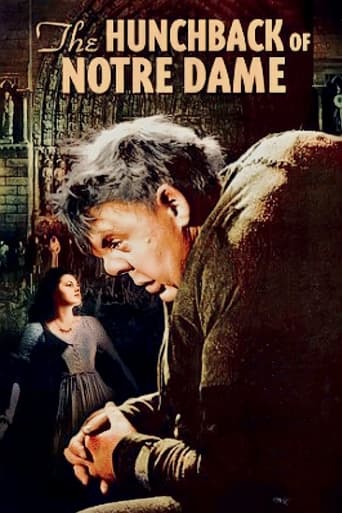
Cedric Hardwicke — credits here include Things to Come (1936), The Hunchback of Notre Dame (1939). Active 1912-1964.
What films is Cedric Hardwicke best known for?
Titles linked here include Things to Come (1936), The Hunchback of Notre Dame (1939).
When was Cedric Hardwicke born and when did he die?
Born February 19, 1893; died August 6, 1964.
What awards did Cedric Hardwicke win?
Hardwicke was knighted by King George V in 1934, becoming Sir Cedric Hardwicke for his services to drama. He received an Academy Award nomination for Best Actor for his role in 'The Story of Louis Pasteur' (1936) and was awarded a star on the Hollywood Walk of Fame. He was also made a Commander of the Order of the British Empire (CBE).
What was Cedric Hardwicke's acting style?
Hardwicke was known for his dignified, authoritative presence and distinctive resonant baritone voice. His acting combined theatrical precision with cinematic naturalism, characterized by controlled emotional expression and intellectual depth. He specialized in portraying historical figures, intellectuals, and men of authority, bringing gravitas and psychological complexity to his characters.
Was Cedric Hardwicke related to any other actors?
Yes, his son Edward Hardwicke became a successful actor, best known for playing Dr. Watson opposite Jeremy Brett's Sherlock Holmes in the Granada Television series. The acting talent continued through two generations of the Hardwicke family.
Did Cedric Hardwicke serve in the military?
Yes, Hardwicke served as a lieutenant in the Royal Field Artillery during World War I. His military service interrupted his early acting career but he returned to the stage after the war and resumed his successful theatrical career.