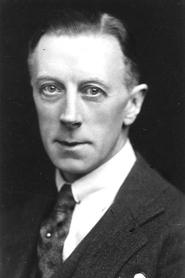
Ernest Thesiger
Actor
Born: January 15, 1879 in London, England Died: January 14, 1946 Active: 1916-1946 Birth Name: Ernest Frederic Graham Thesiger
Films
1 film
About Ernest Thesiger
British character actor: eccentric appearance and distinctive mannerisms made him memorable supporting players in classic cinema. Born into aristocracy, he initially pursued a career as a painter before turning to acting, making his stage debut in 1909. His breakthrough in film came with his chilling performance as the sinister Horace Femm in James Whale's 'The Old Dark House' (1932), which established his reputation for playing bizarre and unsettling characters. Thesiger's most role came as Dr. Pretorius in 'Bride of Frankenstein' (1935), where his scene-stealing performance opposite Boris Karloff created one of cinema's most memorable mad scientist characters. Despite his typecasting in horror and gothic roles, Thesiger — classically trained actor who also appeared in Shakespearean productions and mainstream dramas. His career continued through the 1940s with memorable roles in films like 'The Man in the Iron Mask' (1939) and 'Caesar and Cleopatra' (1945). Thesiger's unique persona, combining aristocratic refinement with macabre eccentricity, made him a distinctive presence in Golden Age cinema until his death in 1946.
The Craft
On Screen
Thesiger developed a unique acting style characterized by his distinctive, almost otherworldly presence. He specialized in portraying eccentric, often sinister characters with a peculiar blend of aristocratic refinement and underlying menace. His performances featured precise, mannered movements, a distinctive voice that could shift from cultivated to menacing, and an ability to convey both intellectual superiority and moral corruption. Thesiger's approach was highly theatrical yet perfectly suited for the gothic horror genre, where his gaunt appearance and piercing eyes created unforgettable screen presences.
Milestones
- Stage debut in 1909
- Breakthrough role in 'The Old Dark House' (1932)
- Iconic performance as Dr. Pretorius in 'Bride of Frankenstein' (1935)
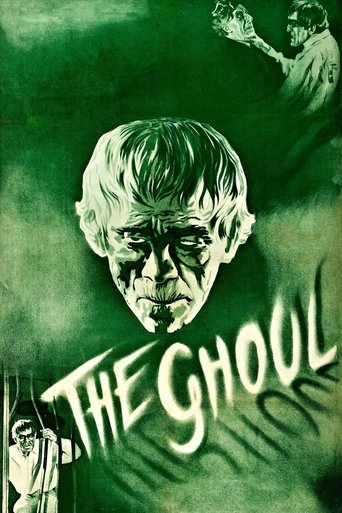
- Leading role in 'The Ghoul' (1933)
- Shakespearean performances on stage and screen
- Final film appearance in 'Caesar and Cleopatra' (1945)
Best Known For
Iconic Roles
Must-See Films
Accolades
Special Recognition
- Commander of the Order of the British Empire (CBE) for services to drama
Working Relationships
Worked Often With
Studios
Why They Matter
Impact on Culture
Ernest Thesiger remains cited on cinema, particularly the horror genre, through his unforgettable portrayals of eccentric and sinister characters. His performance as Dr. Pretorius in 'Bride of Frankenstein' created a template for the sophisticated, morally ambiguous mad scientist that would influence countless subsequent horror films. Thesiger broke new ground by bringing a level of theatrical sophistication and aristocratic menace to horror roles that elevated them beyond mere monster parts. His ability to blend intellectual refinement with underlying depravity added psychological complexity to genre films, helping to establish horror as a vehicle for exploring darker aspects of human nature. Thesiger's distinctive screen presence and memorable characterizations have been referenced and homaged in numerous films and television shows, cementing his status as a cult figure among horror enthusiasts.
Lasting Legacy
Ernest Thesiger's legacy endures through his well-known performances that continue to captivate audiences decades after his death. He is remembered as. Thesiger's work in horror films, particularly his collaborations with James Whale, helped establish the genre's potential for psychological depth and artistic merit. His influence can be seen in subsequent generations of character actors who specialized in playing eccentric or villainous roles with intelligence and sophistication. Film scholars and horror enthusiasts continue to study his performances as masterclasses in character acting, and his portrayal of Dr. Pretorius remains.
Who They Inspired
Thesiger's influence extends beyond his immediate contemporaries to later generations of actors specializing in horror and character roles. His sophisticated approach to playing villains influenced actors like Vincent Price, Christopher Lee, and Peter Cushing, who brought similar intelligence and refinement to their horror performances. Directors in the horror genre have often cited Thesiger's work as inspiration for creating complex, psychologically nuanced antagonists. His ability to make eccentric characters believable and threatening while maintaining an air of aristocratic detachment became a model for character actors in gothic and psychological thrillers. Thesiger's success in genre films also helped demonstrate that horror movies could attract serious, classically trained actors, elevating the artistic credibility of the genre.
Off Screen
Ernest Thesiger was born into a prominent aristocratic family as the son of Major Ernest Thesiger and his wife. During World War I, he served with distinction in the British Army and was severely wounded at the Battle of the Somme, which resulted in the partial amputation of his right hand. Despite this injury, he continued his acting career and became known for his distinctive hand gestures. Thesiger was openly homosexual in an era when this was rare, and he was part of London's artistic and bohemian circles, counting figures like Ivor Novello and Noël Coward among his friends. He married actress Janette Ranken in 1917, though this was likely a marriage of convenience given the social attitudes of the time.
Education
Educated at Marlborough College and later studied art at the Slade School of Fine Art in London before turning to acting
Family
- Janette Ranken (1917-1946)
Did You Know?
- Was a skilled painter and exhibited his artwork before turning to acting
- Lost part of his right hand in World War I but cleverly concealed it in films
- Was a close friend of Queen Mary, who was an admirer of his acting
- Wrote an autobiography titled 'Practically True' published in 1927
- Was openly homosexual in an era when this was extremely rare in public life
- His distinctive appearance made him a popular subject for caricaturists
- Was considered for the role of Dracula in the 1931 Universal film before Bela Lugosi
- Spoke multiple languages fluently including French and German
- Was a skilled amateur magician and performed magic tricks for friends
- His performance in 'Bride of Frankenstein' was reportedly Steven Spielberg's favorite horror film performance
In Their Own Words
I am not a monster, I am a man ahead of my time - as Dr. Pretorius in 'Bride of Frankenstein'
To a queen! - as Dr. Pretorius toasting his miniature creations
Have a potato! - as Horace Femm in 'The Old Dark House'
Acting is merely the art of telling lies convincingly
I prefer playing villains - they're always more interesting than heroes
Frequently Asked Questions
Who was Ernest Thesiger?
British character actor known for his eccentric appearances and memorable roles in classic horror films, particularly his collaborations with on YTB.my. He was famous for playing sinister, aristocratic characters with a distinctive theatrical style.
What films is Ernest Thesiger best known for?
Titles linked here include Bride of Frankenstein (1935), The Old Dark House (1932).
When was Ernest Thesiger born and when did he die?
Born January 15, 1879; died January 14, 1946.
What awards did Ernest Thesiger win?
While Thesiger did not receive major film awards during his career, he was honored as a Commander of the Order of the British Empire (CBE) for his services to drama. His greatest recognition came from critics and audiences who praised his distinctive character performances.
What was Ernest Thesiger's acting style?
Thesiger's acting style was highly theatrical and distinctive, characterized by precise, mannered movements and a distinctive voice. He specialized in eccentric, often sinister characters, blending aristocratic refinement with underlying menace, creating memorable performances in gothic and horror films.
Did Ernest Thesiger serve in the military?
Yes, Thesiger served in the British Army during World War I and was severely wounded at the Battle of the Somme, resulting in the partial amputation of his right hand. Despite this injury, he continued his successful acting career.
Was Ernest Thesiger related to royalty?
While not directly related to royalty, Thesiger came from an aristocratic family and was reportedly a friend of Queen Mary, who admired his theatrical performances. His upper-class background contributed to his authentic portrayal of aristocratic characters.