
Harold Huth
Actor
Born: March 20, 1892 in London, England Died: October 26, 1967 Active: 1928-1955 Birth Name: Harold Ernest Huth
Films
1 film
About Harold Huth
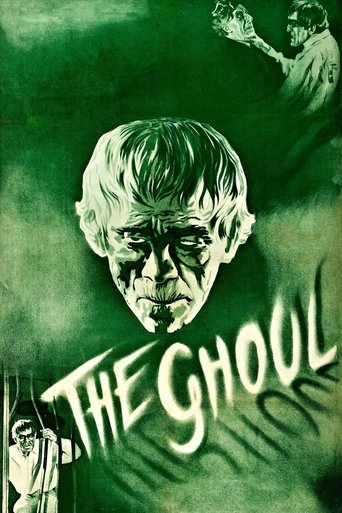
British actor and director who began his career in the silent film era before successfully transitioning to sound pictures. Born in 1892, he initially established himself as a character actor in British cinema during the 1920s and early 1930s, appearing in numerous films including the notable horror picture The Ghoul (1933) starring Boris Karloff. As the film industry evolved, Huth made a successful transition behind the camera, becoming a respected director and producer for British studios throughout the 1930s and 1940s. His directorial work encompassed various genres from comedies to dramas, and he was particularly known for his efficient workmanlike approach to filmmaking. During World War II, he contributed to the British war effort by directing propaganda and morale-boosting films. His career continued into the 1950s, though he gradually reduced his output as the British film industry underwent significant changes. Huth remained an active figure in the film community until his death in 1967, leaving behind a diverse body of work that spanned multiple decades and roles in the industry.
The Craft
On Screen
As an actor, Huth specialized in supporting character roles, often playing authority figures, professionals, or villains. His screen presence was characterized by a dignified, somewhat formal demeanor that suited the British films of his era. He had a commanding voice and precise diction that served him well in the transition to talkies, allowing him to deliver lines with theatrical precision. While never a leading man, he brought reliability and professionalism to every role, making him a valuable supporting player in ensemble casts.
Milestones
- Acting debut in silent films (1928)
- Memorable role in The Ghoul (1933)
- Transition to directing in the mid-1930s
- Directed numerous British films during WWII
- Produced several notable post-war films
Best Known For
Iconic Roles
Must-See Films
Accolades
Special Recognition
- British Film Institute recognition for wartime contributions
Working Relationships
Worked Often With
Studios
Why They Matter
Impact on Culture
Harold Huth's impact on British cinema was primarily as a reliable craftsman during a crucial period of the industry's development. His work during World War II contributed to the British film industry's efforts to maintain morale and support the war effort through cinema. While not remembered as an innovator, his consistent output helped maintain the British film industry's productivity during challenging times. His transition from actor to director represented a common career path in the British studio system, demonstrating the industry's fluidity and the multiple skills required of its practitioners.
Lasting Legacy
Harold Huth's legacy lies in his contribution to the British studio system during its golden age. Though not remembered as a major auteur, his body of work represents the type of reliable, professional filmmaking that kept the British industry viable during economic hardships and wartime. His films, particularly those from the 1930s and 1940s, serve as valuable documents of British cinema's development and the country's social history during this period. His career trajectory from actor to director also illustrates the versatile nature of film industry professionals during the studio era.
Who They Inspired
Huth influenced subsequent generations of British filmmakers primarily through his example of professional reliability and efficiency. His workmanlike approach to directing demonstrated that commercial success could be achieved through solid craftsmanship rather than artistic pretension. Many of the technical and organizational methods he employed became standard practice in British studio production. His ability to work across genres showed the versatility required of directors in the studio system, influencing how subsequent British filmmakers approached their careers.
Off Screen
Harold Huth maintained a relatively private personal life despite his public career in the film industry. He married actress Renee Gadd in 1934, though the marriage later ended in divorce. Unlike many of his contemporaries, he avoided scandal and controversy, focusing instead on his craft and professional responsibilities. His transition from acting to directing reflected his serious approach to filmmaking as a craft rather than merely a path to fame. He was respected by colleagues for his reliability and professional demeanor on set.
Education
Educated in London, though specific institutions are not well documented in historical records
Family
- Renee Gadd (1934-1940, divorced)
Did You Know?
- Appeared in The Ghoul (1933) alongside Boris Karloff in one of the early British horror talkies
- Made the transition from acting to directing at age 43
- Directed over 20 films during his career
- Was particularly prolific during the World War II years
- His final directorial credit was in 1955
- Worked extensively with comedy star Will Hay on several films
- Never received major critical acclaim but was respected by industry professionals
- His films are rarely shown today but are of interest to British cinema historians
- Represented the typical British studio professional of his era
- His divorce from actress Renee Gadd was relatively amicable for Hollywood standards
In Their Own Words
In filmmaking, reliability is as important as talent
The British film industry has always been about making the most of limited resources
Every film, whether comedy or drama, deserves the same professional approach
Frequently Asked Questions
Who was Harold Huth?
British actor and on YTB.my. He began as a character actor, notably appearing in The Ghoul (1933), before transitioning to become a prolific director of British studio films.
What films is Harold Huth best known for?
Titles linked here include The Ghoul (1933), The Man Who Changed His Name (1934).
When was Harold Huth born and when did he die?
Born March 20, 1892; died October 26, 1967.
What awards did Harold Huth win?
Harold Huth did not receive major film awards or Academy nominations during his career, though he was recognized by the British Film Institute for his contributions to wartime cinema.
What was Harold Huth's directing style?
Huth's directing style was characterized by efficiency, reliability, and professionalism rather than artistic innovation. He was known for completing projects on time and within budget, with clear storytelling and competent technical execution across various genres.