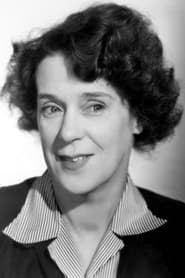
Kathleen Harrison
Actor
Born: February 23, 1892 in Blackburn, Lancashire, England Died: December 7, 1995 Active: 1933-1975
Films
2 films
About Kathleen Harrison
Prolific British character actress: over six decades, from the early 1930s through the 1970s. Born in Blackburn, Lancashire, she began her career on stage before transitioning to film during the early sound era. Harrison became renowned for her versatility in portraying working-class characters, particularly in comedic roles that showcased her distinctive Lancashire accent and warm screen presence. Kathleen appears in over 80 films, working with prominent directors and actors of British cinema's golden age. Her most memorable film appearances included roles in 'The Ghost Train' (1941), 'The Man in the White Suit' (1951), and 'The Lavender Hill Mob' (1951). Later in her career, she successfully transitioned to television, most notably as Mrs. Thursday in the popular BBC series. Harrison's enduring career made her one of Britain's most recognizable character actresses, beloved for her authentic portrayals of ordinary people with extraordinary charm.
The Craft
On Screen
Kathleen Harrison was known for her naturalistic, understated acting style that brought authenticity to working-class characters. She possessed a remarkable ability to convey humor through subtle facial expressions and timing rather than broad comedic gestures. Her Lancashire accent became her trademark, lending credibility to her portrayals of ordinary British people. Harrison excelled at finding the humanity in her characters, whether playing nosy neighbors, concerned mothers, or eccentric shopkeepers. Her approach was grounded in observation of real people, making her performances relatable and endearing to audiences across social classes.
Milestones
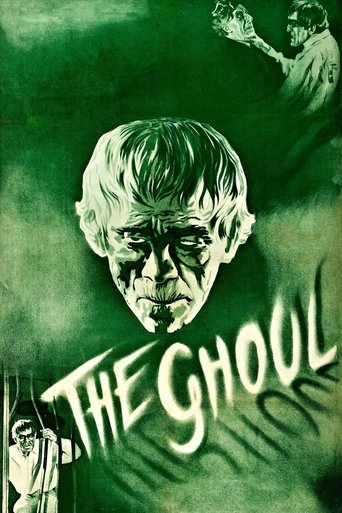
- Film debut in 'The Ghoul' (1933)
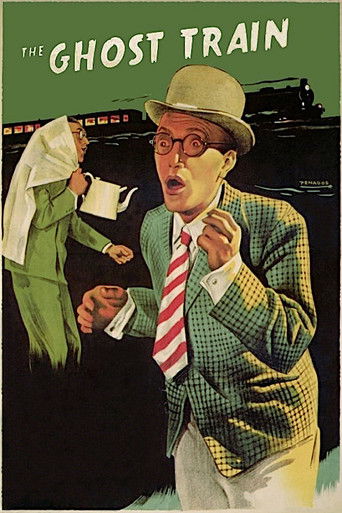
- Starred in the horror-comedy 'The Ghost Train' (1941)
- Breakthrough role in 'The Man in the White Suit' (1951)
- Appeared in Ealing comedy 'The Lavender Hill Mob' (1951)
- Transitioned to successful television career as Mrs. Thursday
- Awarded OBE (Order of the British Empire) for services to drama
- Continued acting into her 80s
- Appeared in over 80 films throughout her career
Best Known For
Iconic Roles
Must-See Films
Accolades
Won
- Officer of the Order of the British Empire (OBE) for services to drama (1970)
Nominated
- BAFTA Film Award nomination for Best British Actress for 'Touch and Go' (1956)
Special Recognition
- Commander of the Order of the British Empire (CBE) for services to drama (1976)
Working Relationships
Worked Often With
Studios
Why They Matter
Impact on Culture
Kathleen Harrison significantly shaped the representation of working-class British women in cinema, bringing authenticity and dignity to roles that might otherwise have been caricatured. Her performances helped bridge class divides in British society by presenting working-class characters with humor, intelligence, and humanity. During World War II and the post-war period, her films provided comfort and recognition to ordinary British people struggling through difficult times. Harrison's success as a character actress paved the way for future generations of British actresses who didn't conform to traditional leading lady standards. Her television work in the 1960s and 1970s helped establish the format for British sitcoms featuring relatable, working-class families.
Lasting Legacy
Kathleen Harrison's legacy endures as one of Britain's most beloved character actresses, remembered for her ability to find comedy and pathos in everyday life. Her extensive filmography serves as a valuable record of British social history, capturing the voice and spirit of working-class Britain during the mid-20th century. The OBE and CBE honors she received reflect her significant contribution to British culture and entertainment. Her influence can be seen in the work of subsequent British character actresses who followed her path of bringing authenticity to ordinary people's stories. Harrison's performances continue to be studied by actors and film scholars as examples of nuanced, naturalistic character acting.
Who They Inspired
Harrison influenced generations of British actors through her naturalistic approach to character acting, particularly her ability to maintain authenticity while working within commercial cinema. Her success demonstrated that character actors could achieve mainstream recognition and longevity in the industry. Younger actresses such as Thora Hird, Liz Smith, and Kathy Burke have cited Harrison as an inspiration for their own careers portraying working-class women. Her technique of using regional accents not as gimmicks but as integral parts of character development influenced British acting training methods. Harrison's ability to transition successfully from film to television also provided a model for actors navigating the changing media landscape of the 1960s and beyond.
Off Screen
Kathleen Harrison married John Henry Beck in 1915, and the couple had two children together. Her husband was a chartered accountant who supported her theatrical ambitions throughout their marriage. Despite her busy film career, Harrison maintained a relatively private personal life, rarely discussing her family in interviews. She was known for her down-to-earth personality and remained connected to her Lancashire roots throughout her life. After her husband's death in 1965, she continued acting well into her later years, becoming a beloved figure in British entertainment.
Education
Educated at local schools in Blackburn, Lancashire; received formal dramatic training at the Royal Academy of Dramatic Art (RADA) in London
Family
- John Henry Beck (1915-1965)
Did You Know?
- Was one of the longest-lived British actresses, living to age 103
- Made her film debut at age 41 in 'The Ghoul' (1933)
- Appeared in four films with Alec Guinness
- Was a favorite of Ealing Studios directors
- Continued acting regularly into her 80s
- Her Lancashire accent was considered so authentic that she was often asked to coach other actors
- Was one of the first British actresses to successfully transition from film to television stardom
- Never learned to drive, always using public transport even after becoming famous
- Turned down several Hollywood offers to remain in Britain
- Was a lifelong supporter of Blackburn Rovers Football Club
- Received her OBE from Queen Elizabeth II at Buckingham Palace in 1970
In Their Own Words
I've never been a star, just a working actress. And I've loved every minute of it.
The secret to playing ordinary people is to remember that there's no such thing as an ordinary person.
My accent wasn't a handicap in films; it was my passport to playing real people.
Comedy isn't about being funny; it's about being truthful in funny situations.
I never wanted to be a glamorous leading lady. I wanted to be the woman next door that audiences recognized as their own neighbor, mother, or auntie.
Frequently Asked Questions
Who was Kathleen Harrison?
Renowned British character actress known for her authentic portrayals of working-class women in films and television from the 1930s through the 1970s. She appeared in over 80 films and became particularly famous for her roles in Ealing comedies and later as Mrs. Thursday in the BBC television series.
What films is Kathleen Harrison best known for?
Titles linked here include The Ghoul (1933), The Ghost Train (1941).
When was Kathleen Harrison born and when did she die?
Born February 23, 1892; died December 7, 1995.
What awards did Kathleen Harrison win?
She was awarded the Officer of the Order of the British Empire (OBE) in 1970 and later the Commander of the Order of the British Empire (CBE) in 1976, both for her services to drama. She also received a BAFTA Film Award nomination for Best British Actress for 'Touch and Go' in 1956.
What was Kathleen Harrison's acting style?
Harrison was known for her naturalistic, understated acting style that brought authenticity to working-class characters. She used her distinctive Lancashire accent as a trademark and excelled at conveying humor through subtle expressions and timing rather than broad gestures, making her characters relatable and endearing.