T. Hayes Hunter
Director
Born: June 1, 1884 in Philadelphia, Pennsylvania, USA Died: April 14, 1944 Active: 1912-1933 Birth Name: Thomas Hayes Hunter
Films
1 film
About T. Hayes Hunter
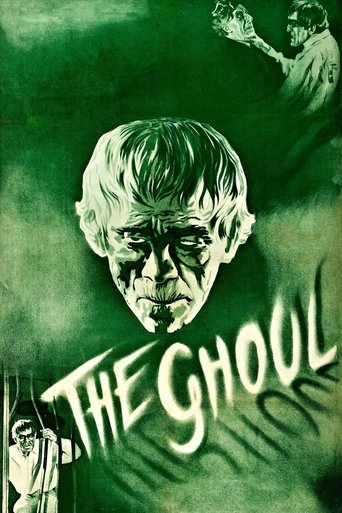
Thomas Hayes Hunter, known professionally as T. Hayes Hunter, was an American film director, producer, and screenwriter who worked during the silent era and early sound period of Hollywood. Born in Philadelphia in 1884, Hunter began his film career around 1912, establishing himself as a reliable director capable of handling various genres including dramas, mysteries, and comedies. Throughout the 1920s, he directed numerous silent films for different studios, developing a reputation for efficient storytelling and solid craftsmanship. Hunter successfully navigated the challenging transition from silent films to talkies in the late 1920s and early 1930s, adapting his directing techniques to accommodate sound technology. His most notable achievement came with the 1933 horror film 'The Ghoul,' starring Boris Karloff, which capitalized on the horror boom following Karloff's success in 'Frankenstein.' This film proved to be one of Hunter's final directorial efforts before he retired from the film industry. Hunter's over two decades of significant change in cinema, from the early days of silent film to the establishment of the Hollywood studio system. He passed away in Los Angeles in 1944, leaving behind a legacy of films that reflected the evolving landscape of American cinema during its formative years.
The Craft
Behind the Camera
T. Hayes Hunter was known for his efficient, workmanlike approach to filmmaking, emphasizing clear storytelling and solid technical execution. His directing style was characterized by straightforward narrative techniques that served the story rather than drawing attention to directorial flourishes. Hunter demonstrated versatility across genres, though he showed particular skill in creating atmospheric tension in mystery and horror films. His transition to sound films was marked by an ability to adapt his visual storytelling techniques to accommodate dialogue and sound effects while maintaining narrative clarity. In 'The Ghoul,' Hunter employed effective use of shadow and lighting to create the eerie atmosphere essential to the horror genre, demonstrating his understanding of visual mood and tone.
Milestones
- Began directing career in 1912 during the early silent film era
- Successfully transitioned from silent films to talkies in the late 1920s
- Directed numerous films throughout the 1920s for various studios
- Created 'The Ghoul' (1933) starring Boris Karloff, his most famous work
- Worked during the pivotal period when Hollywood was establishing its studio system
Best Known For
Must-See Films
Working Relationships
Worked Often With
Studios
Why They Matter
Impact on Culture
T. Hayes Hunter contributed to early American cinema during a transformative period when the industry was establishing its artistic and commercial foundations. His work during the transition from silent to sound films represents the technical and artistic challenges faced by directors of his generation. 'The Ghoul' (1933) stands as an important example of early horror cinema that followed in the wake of Universal's successful monster movies, helping to establish horror conventions that would influence the genre for decades. Hunter's filmography reflects the evolution of American film language and storytelling techniques during the 1910s, 1920s, and early 1930s. While not as celebrated as some of his contemporaries, Hunter's body of work represents the solid, professional craftsmanship that characterized Hollywood's golden age, where reliable directors formed the backbone of the studio system.
Lasting Legacy
T. Hayes Hunter's legacy lies primarily in his contribution to early horror cinema through 'The Ghoul' and his extensive work during the silent era and early sound period. His career spans a crucial period in film history, documenting the evolution of cinematic techniques from the primitive days of silent film to the sophisticated storytelling of early sound cinema. While Hunter may not be remembered as an auteur director, his work represents the professional standards and craftsmanship that defined Hollywood's studio system. 'The Ghoul' has maintained a cult following among horror film enthusiasts and is studied as an example of early 1930s horror filmmaking. Hunter's filmography serves as valuable historical documentation of the types of stories and production values that characterized American cinema during its formative years.
Who They Inspired
Hunter influenced subsequent generations of filmmakers primarily through his work in the horror genre with 'The Ghoul,' which demonstrated effective use of atmosphere and mood in supernatural storytelling. His efficient directing style and ability to work across genres provided a model for studio directors who needed to be versatile and reliable. The technical solutions he developed during the transition from silent to sound films contributed to the industry's understanding of how to maintain visual storytelling while incorporating dialogue and sound effects. While not widely cited as a major influence by famous directors, Hunter's work represents the professional standards and approaches that became ingrained in Hollywood's studio system and influenced countless filmmakers who followed.
Off Screen
T. Hayes Hunter maintained a relatively private personal life away from the Hollywood spotlight. Born Thomas Hayes Hunter in Philadelphia, he came from a middle-class American family before pursuing a career in the burgeoning film industry. Hunter was part of the generation of filmmakers who helped establish Hollywood as the center of American cinema during its formative years. Despite working in the public eye as a director, he managed to keep details of his personal life largely out of the press, which was not uncommon for directors of his era who preferred to let their work speak for itself. He spent his final years in Los Angeles, where he passed away in 1944 at the age of 59.
Education
Educational background details are not extensively documented in available historical records, though as someone entering the film industry in the 1910s, he likely had some formal education typical of the period.
Family
- Information not readily available in historical records
Did You Know?
- The Ghoul (1933) was one of the first horror films to capitalize on Boris Karloff's fame after Frankenstein (1931)
- Hunter began his career during the silent era when directors often had to be multi-talented, handling various aspects of production
- The Ghoul was considered lost for many years before a print was discovered, though it was still incomplete
- Hunter worked during the period when Hollywood was transitioning from the East Coast to the West Coast as the center of American film production
- Despite directing numerous films, relatively little personal information about Hunter survives in historical records
- The Ghoul was produced by Gaumont British, making it one of Hunter's international productions
- Hunter's active years covered the entire period of World War I, the Roaring Twenties, and the Great Depression
- Like many directors of his era, Hunter had to adapt quickly when sound technology revolutionized the film industry in the late 1920s
- The Ghoul featured an early appearance by Ralph Richardson, who would become one of Britain's most respected actors
- Hunter's filmography includes examples of most major genres popular during his active years
In Their Own Words
Information not readily available in historical records
Frequently Asked Questions
Who was T. Hayes Hunter?
T. Hayes Hunter (Thomas Hayes Hunter) was an American film director, producer, and screenwriter who worked during the silent era and early sound period of Hollywood, active from approximately 1912 to 1933. He is best known for directing the 1933 horror film 'The Ghoul' starring Boris Karloff, though he directed numerous other films throughout his career spanning two decades of significant change in American cinema.
What films is T. Hayes Hunter best known for?
Titles linked here include The Ghoul (1933), The Man Who Found Himself (1925).
When was T. Hayes Hunter born and when did he die?
Born June 1, 1884; died April 14, 1944.
What awards did T. Hayes Hunter win?
There are no documented major awards or nominations specifically recorded for T. Hayes Hunter in available historical records. Like many studio directors of his era, his contributions were primarily commercial rather than critically celebrated, though his work, particularly 'The Ghoul,' has gained recognition among film historians and horror enthusiasts in retrospect.
What was T. Hayes Hunter's directing style?
Hunter's directing style was characterized by efficient, workmanlike filmmaking with an emphasis on clear storytelling and solid technical execution. He demonstrated versatility across genres but showed particular skill in creating atmospheric tension in mystery and horror films. His approach was straightforward rather than flamboyant, focusing on serving the narrative through competent visual storytelling and effective use of mood and atmosphere when appropriate to the genre.