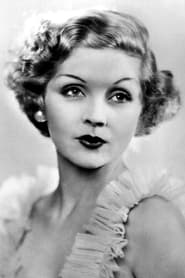
Dorothy Hyson
Actor
Born: December 24, 1914 in Chicago, Illinois, USA Died: May 23, 1996 Active: 1931-1960s Birth Name: Dorothy Hyson Stone
Films
1 film
About Dorothy Hyson
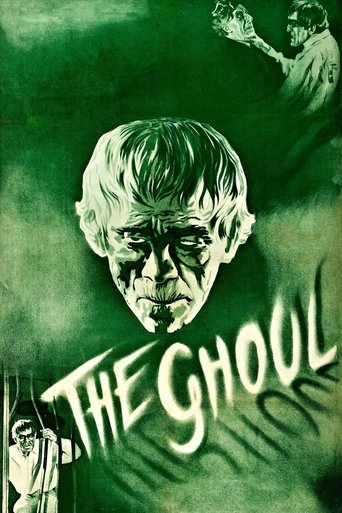
American-born British actress who achieved prominence during the 1930s Golden Age of British cinema. Born into a theatrical family, she moved to England as a child and began her acting career on the London stage before transitioning to films. Her breakthrough came with her role in the 1933 horror classic 'The Ghoul' alongside Boris Karloff, which established her as a notable presence in British cinema. Throughout the 1930s, she appeared in numerous films including 'The Man Who Changed His Name' (1934), 'The Luck of a Sailor' (1934), and 'Look Up and Laugh' (1935). Hyson was known for her sophisticated screen presence and versatility, appearing in dramas, comedies, and thrillers. During World War II, she served as an ambulance driver and continued acting in wartime productions. After marrying Sir Robert White in 1946, she became Lady Hyson and gradually reduced her film appearances, though she remained active in television and theater. Her over three decades, making her a respected figure in British entertainment history.
The Craft
On Screen
Dorothy Hyson was known for her elegant and sophisticated screen presence, bringing a naturalistic American sensibility to British films. Her acting style combined the refined poise of classical Hollywood with the understated realism favored in British cinema. She excelled at portraying intelligent, independent female characters with wit and charm, often playing sophisticated society women or determined heroines. Her performances were marked by clear diction, graceful movement, and an ability to convey complex emotions with subtle facial expressions.
Milestones
- Breakthrough role in 'The Ghoul' (1933)
- Leading lady in British cinema of the 1930s
- Stage career in London's West End
- Wartime service as ambulance driver
- Marriage to Sir Robert White becoming Lady Hyson
- Transition to television work in the 1950s-60s
Best Known For
Iconic Roles
Must-See Films
Accolades
Special Recognition
- Received recognition for wartime service during WWII
- Honored as Lady Hyson after marriage to Sir Robert White
Working Relationships
Worked Often With
Studios
Why They Matter
Impact on Culture
Dorothy Hyson represented the transatlantic bridge between American and British cinema during the 1930s, bringing American sensibilities to British film productions. Her work helped establish the sophisticated comedy genre in British cinema, influencing how female characters were portrayed in British films. As an American who successfully integrated into British entertainment, she paved the way for other international actors in the British film industry. Her wartime service also exemplified the contribution of entertainers to the war effort, setting an example for her peers.
Lasting Legacy
Dorothy Hyson's legacy endures through her contributions to 1930s British cinema, particularly in horror and comedy genres. Her role in 'The Ghoul' remains significant among classic horror film enthusiasts, and she is remembered as one of the era's elegant leading ladies. Her transition from American child to British aristocrat through marriage created a unique cultural narrative that reflected the transatlantic connections of her time. Today, film historians recognize her as an important figure in understanding the development of British cinema during its golden age.
Who They Inspired
Dorothy Hyson influenced subsequent generations of British actresses by demonstrating how to successfully blend American screen techniques with British theatrical traditions. Her naturalistic acting style helped pave the way for more realistic performances in British cinema, moving away from the more theatrical approach common in early sound films. Her career showed that it was possible to maintain dignity and artistic integrity while navigating both commercial and aristocratic social circles, inspiring performers who sought to balance their artistic careers with broader social responsibilities.
Off Screen
Dorothy Hyson was born into a theatrical family with her mother being actress Dorothy Phillips. She moved to England as a child and was educated there, developing a dual cultural identity that served her well in her acting career. During World War II, she demonstrated her patriotism by serving as an ambulance driver, contributing to the war effort alongside her entertainment work. In 1946, she married Sir Robert White, a prominent British businessman, which elevated her social status to Lady Hyson. The couple remained married until Sir Robert's death, and Dorothy never remarried. She spent her later years in London, maintaining connections with the entertainment industry while enjoying her status in British society.
Education
Educated in England after moving there as a child; received training in dramatic arts in London
Family
- Sir Robert White (1946-1988, until his death)
Did You Know?
- Her mother was silent film star Dorothy Phillips, giving her early exposure to the entertainment industry
- She moved to England at age 7 and developed a British accent despite being American-born
- Her role in 'The Ghoul' (1933) was one of her earliest film appearances but became her most enduring
- During WWII, she drove ambulances for the war effort while continuing her acting career
- She became Lady Hyson after marrying Sir Robert White, a knighted businessman
- She was one of the few American actresses to achieve stardom primarily in British cinema
- Her active years covered from the early sound era through the golden age of British cinema
- She appeared in both horror films and light comedies, showcasing her versatility
- She maintained her American citizenship throughout her life while living primarily in England
- Her final film appearances were in the 1960s, transitioning to television work
In Their Own Words
Acting was in my blood from birth, but Britain became my artistic home
The horror genre in the 1930s allowed actresses to show more range than people realize
Wartime service taught me that there are more important things than fame
Frequently Asked Questions
Who was Dorothy Hyson?
American-born British actress active primarily in the 1930s who became known for her roles in British cinema, particularly her appearance in the horror classic 'The Ghoul' (1933) alongside Boris Karloff. She later became Lady Hyson through marriage to Sir Robert White.
What films is Dorothy Hyson best known for?
Titles linked here include The Ghoul (1933), The Man Who Changed His Name (1934).
When was Dorothy Hyson born and when did she die?
Born December 24, 1914; died May 23, 1996.
What awards did Dorothy Hyson win?
While Dorothy Hyson did not receive major formal acting awards during her career, she was honored for her wartime service as an ambulance driver during WWII and gained social recognition as Lady Hyson after her marriage to Sir Robert White.
What was Dorothy Hyson's acting style?
Dorothy Hyson's acting style combined American naturalism with British sophistication, characterized by elegant poise, clear diction, and subtle emotional expression. She excelled at portraying intelligent, independent female characters with wit and charm, particularly in society roles and dramatic parts.
How did Dorothy Hyson become Lady Hyson?
Dorothy Hyson became Lady Hyson in 1946 when she married Sir Robert White, a prominent British businessman who had been knighted. The marriage elevated her social status and she was known as Lady Hyson for the remainder of her life.
Was Dorothy Hyson American or British?
Dorothy Hyson was American by birth but became culturally British after moving to England as a child. She maintained dual cultural identity throughout her life, working primarily in British cinema while retaining her American citizenship.