D.A. Clarke-Smith
Actor
Born: August 2, 1888 in Edinburgh, Scotland Died: January 12, 1961 Active: 1919-1960 Birth Name: David Anderson Clarke-Smith
Films
1 film
About D.A. Clarke-Smith
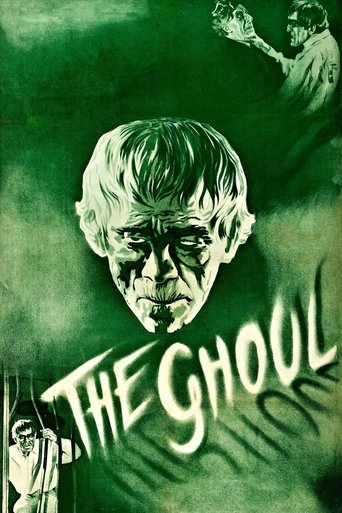
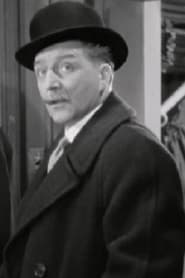
David Anderson Clarke-Smith — Scottish stage actor who made a memorable transition to film during the early sound era. Born in Edinburgh in 1888, he began his theatrical career after serving in World War I with the Royal Scots regiment. Clarke-Smith established himself as a formidable Shakespearean actor, becoming a prominent member of the Royal Shakespeare Company and earning critical acclaim for his classical performances. His film debut came in 1933 with the horror classic 'The Ghoul' starring Boris Karloff, where he played Dr. Hartley, marking his entry into cinema during the early talkies period. Throughout the 1930s, he balanced his stage work with selective film appearances, often portraying authoritative, educated characters due to his commanding presence and refined diction. Later in his career, he became a respected acting instructor at RADA, passing on his classical techniques to the next generation of performers. His screen career spanned the silent era's transition to sound through the Golden Age of British cinema, though he remained primarily devoted to the stage.
The Craft
On Screen
Classical and formal acting technique rooted in Shakespearean tradition, characterized by precise diction, commanding stage presence, and authoritative delivery. His style reflected the theatrical training of the late Victorian era, emphasizing vocal projection and dramatic interpretation suited for both stage and early sound film requirements.
Milestones
- Film debut in The Ghoul (1933)
- Member of the Royal Shakespeare Company
- Served in Royal Scots during WWI
- Acting instructor at RADA
- Performed in numerous West End productions
- Appeared in early British sound films
Best Known For
Iconic Roles
Must-See Films
Accolades
Special Recognition
- Recognized for contributions to British theatre
- Honored member of Royal Shakespeare Company
Why They Matter
Impact on Culture
D.A. Clarke-Smith represents the bridge between Victorian theatrical traditions and modern cinema, embodying the classical training that defined early British film acting. His work in 'The Ghoul' contributed to the foundation of British horror cinema during its formative years in the early sound era. As a Shakespearean actor who successfully transitioned to film, he helped legitimize cinema as a medium for serious dramatic performance. His later role as an educator at RADA ensured the continuation of classical acting techniques in British theatre and film, influencing generations of performers who would follow.
Lasting Legacy
D.A. Clarke-Smith's legacy lies primarily in his contribution to British theatre education and his role in the early development of British sound cinema. While his filmography was limited, his performance in 'The Ghoul' remains a notable example of early horror cinema and his classical approach to acting influenced the transition from stage to screen techniques. His work at RADA helped preserve traditional British acting methods while adapting them for modern media, ensuring that classical theatrical training remained relevant in the evolving entertainment landscape of the 20th century.
Who They Inspired
As an acting instructor at RADA, Clarke-Smith directly influenced numerous British actors who would achieve prominence in theatre and film. His classical approach to performance, emphasizing vocal technique and textual interpretation, became part of the foundation of British acting training. His example of successfully transitioning from stage to early sound film provided a model for other classically trained actors facing the challenges of the new medium. His work in horror cinema helped establish acting conventions for the genre that would influence subsequent British horror films.
Off Screen
David Anderson Clarke-Smith served his country during World War I in the Royal Scots regiment before pursuing his acting career. He married fellow actress Mary Hinton, with whom he shared both personal and professional life. The couple often performed together in theatrical productions. After his active performing years, he dedicated himself to teaching, becoming a respected instructor at the prestigious Royal Academy of Dramatic Art (RADA). His later years were spent mentoring young actors and maintaining connections with the theatrical community until his death in London in 1961.
Education
Classical theatrical training, likely through apprenticeship and formal study in British theatre tradition
Family
- Mary Hinton (actress, marriage dates unknown)
Did You Know?
- His full name was David Anderson Clarke-Smith
- He served in the Royal Scots regiment during World War I
- The Ghoul (1933) was his film debut at age 45
- He was primarily a stage actor with selective film appearances
- He taught at the prestigious Royal Academy of Dramatic Art (RADA)
- He married actress Mary Hinton
- He specialized in Shakespearean roles on stage
- His film active years covered only 6 years (1933-1939)
- He appeared in films during the crucial transition from silent to sound cinema
- He was Scottish by birth but worked primarily in English theatre and film
In Their Own Words
(No documented famous quotes are available from D.A. Clarke-Smith, as was common for character actors of his era)
Frequently Asked Questions
Who was D.A. Clarke-Smith?
Screen credits include early British sound films, most notably 'The Ghoul' (1933) starring Boris Karloff. He was primarily known for his Shakespearean work with the Royal Shakespeare Company and later became an acting instructor at RADA.
What films is D.A. Clarke-Smith best known for?
Titles linked here include The Ghoul (1933), The Man Who Changed His Name (1934).
When was D.A. Clarke-Smith born and when did he die?
Born August 2, 1888; died January 12, 1961.
What awards did D.A. Clarke-Smith win?
While D.A. Clarke-Smith did not receive major film awards, he was recognized for his contributions to British theatre and was an honored member of the Royal Shakespeare Company. His greatest recognition came through his reputation as a classical actor and respected educator.
What was D.A. Clarke-Smith's acting style?
His acting style was classical and formal, rooted in Shakespearean tradition with emphasis on precise diction, commanding presence, and authoritative delivery. This traditional theatrical approach served him well in both stage performances and early sound films where vocal clarity was essential.
Did D.A. Clarke-Smith serve in the military?
Yes, D.A. Clarke-Smith served in the Royal Scots regiment during World War I before beginning his acting career. His military service preceded his theatrical work and shaped his disciplined approach to performance.
Was D.A. Clarke-Smith married?
Yes, he married fellow actress Mary Hinton, with whom he shared both personal and professional life. The couple often performed together in theatrical productions during their careers.
What was D.A. Clarke-Smith's contribution to education?
Later in his career, D.A. Clarke-Smith became a respected acting instructor at the Royal Academy of Dramatic Art (RADA), where he taught classical acting techniques to future generations of performers, ensuring the continuation of traditional British theatrical training methods.