



The Terror
"A strange woman leads a lost lieutenant to a gothic castle"
Keys: Space play/pause · ←/→ 10s · F fullscreen · M mute · </> speed
About this film
Andre Duvalier awakens on a beach to the sight of a strange woman who leads him to the gothic, towering castle that serves as home to an eerie baron.
Cast & crew
More Horror films
View all →

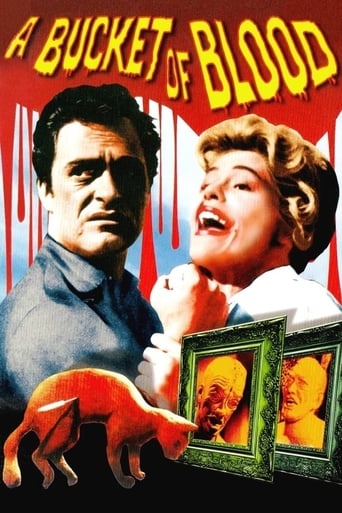
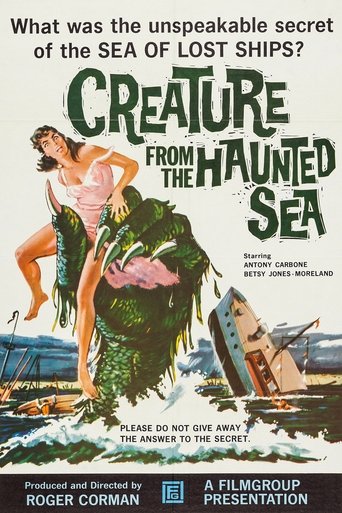
More from Roger Corman
View all →
More about this film
About the production
Release dateApril 1963
BudgetApproximately $60,000-80,000 (extremely low even for 1963 standards)
Box officeUnknown, but likely modest given the limited release and low-budget nature
ProductionThe Filmgroup, Roger Corman Productions
Filmed inBig Sur, California, Santa Monica, California, Corriganville Movie Ranch, American International Pictures studio facilities
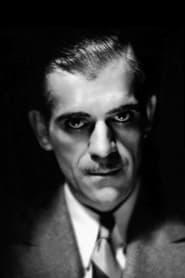
The film was famously shot over just three days using leftover sets from Corman's 'The Raven' (1963). Multiple directors contributed to the final product, including Roger Corman (who shot the initial footage), Francis Ford Coppola (who expanded the story), Monte Hellman, and Jack Hill. The production was so rushed that scenes were often improvised, and the script was developed as filming progressed. Karloff, despite his status, worked for a fraction of his usual fee out of respect for Corman and to help launch Nicholson's career.
Themes
Guilt and redemptionThe supernatural vs. realityObsession and madnessBetrayal and revengeThe persistence of the past
Themes & topics
gothic horrorcastleghostsupernaturalNapoleonic Warsmystery womanhauntingwitchcraftrevengeidentity crisis
Historical background
Made during its release period, The Terror reached audiences through theatrical programs, fairground booths, or specialized distribution channels typical of its generation. Lt. Andre Duvalier awakens on a beach to the sight of a strange woman who leads him to the gothic, towering castle that. Historians now read such works for what they reveal about production methods, national taste, and the expanding vocabulary of screen narrative.
Why this film matters
Archivists and programmers still screen The Terror when tracing how popular entertainment evolved. Its subject—lt. andre duvalier awakens on a beach to the sight of a strange woman who leads him to the gothic,—gives later viewers tangible evidence of what drew crowds in its day. Home video, restorations, and festival sidebars keep the title circulating among students of film history.
Making of
The making of 'The Terror' is in Hollywood for its chaotic production. Corman, having just completed 'The Raven' with Karloff and Price, had three days before the expensive sets would be destroyed. He conceived the idea of shooting a quick horror film to maximize his investment. The initial script was minimal, with much of the dialogue and plot developed during filming. Francis Ford Coppola, then a young director working for Corman, was brought in to shoot additional scenes and expand the narrative. Monte Hellman and Jack Hill were also called in to direct sequences when Corman had to leave the set. The collaboration was so fragmented that many cast members weren't sure who was directing from day to day. Karloff, a true professional, adapted to the changing directors and often helped guide the less experienced Nicholson through scenes. The film's supernatural elements were achieved through practical effects and creative camera work rather than expensive special effects, with much of the atmosphere created through fog machines and dramatic lighting.
What critics said
Original trade coverage treated The Terror as routine program filler rather than a landmark production—typical of steady studio output. Later criticism emphasizes preservation, stylistic comparison with contemporaries, and whatever cast or crew names later gained prominence. Contemporary writing is mostly historical: assessing completeness, influence, and place in a director's or studio's catalog.
Did you know?
- This film holds the unique distinction of having five directors work on it: Roger Corman, Francis Ford Coppola, Monte Hellman, Jack Hill, and Dennis Jakob, though only Corman was credited.
- Jack Nicholson was so desperate for work that he accepted a role for only $350, working as both actor and assistant to Corman.
- The film was shot in just three days on sets that were about to be torn down after the completion of 'The Raven'.
- Boris Karloff was suffering from severe arthritis during filming and had to be supported by off-screen crew during many scenes.
- The castle scenes were filmed at the same location used for 'The Haunted Palace' (1963), another Corman production.
- The film's rushed production led to several continuity errors, including visible boom microphones and changing weather conditions within single scenes.
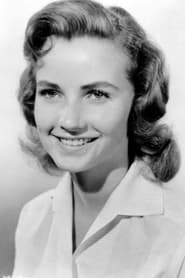
- Sandra Knight, who played Helene, was Jack Nicholson's wife at the time of filming.
- The film fell into the public domain due to copyright notice issues, making it among the leading widely available of Corman's films.
- The waterfall scene was filmed at Big Sur and required the crew to carry equipment down a treacherous path.
- Despite its low budget, the film has been praised for its atmospheric cinematography and gothic visual style.
Visual style
The cinematography by John M. Nickolaus Jr. is one of the film's strongest assets, creating a gothic atmosphere despite the limited budget. Using the crumbling sets from 'The Raven', Nickolaus employed dramatic shadows and fog effects to enhance the supernatural elements. The camera work often uses Dutch angles and slow tracking shots to build tension, particularly in the castle scenes. The beach sequences utilize natural lighting to create a dreamlike quality, while the interior scenes rely on high-contrast lighting reminiscent of German Expressionism. The cinematography successfully masks the production's limitations, making the sets appear more expansive than they were. The visual style influenced later low-budget horror films, demonstrating how creative lighting and camera work could compensate for budget constraints.
Innovations
While 'The Terror' wasn't technically innovative in terms of groundbreaking new techniques, it demonstrated remarkable technical creativity given its constraints. The film's greatest technical achievement was creating a convincing gothic horror atmosphere using sets that were literally being torn down around the crew. The sound design was particularly effective, using natural locations and creative foley work to build suspense. The film's special effects, including the supernatural appearances and transformations, were achieved through practical methods such as multiple exposures, mirrors, and creative editing. The production team's ability to shoot an entire feature film in three days while maintaining visual continuity and narrative coherence was itself a technical achievement. The film serves as a case study in resourceful filmmaking, showing how technical limitations can inspire creative solutions.
Music
The musical score was composed by Ronald Stein, a frequent Corman collaborator who created atmospheric music for many of the director's films. Stein's score combines traditional gothic horror elements with more experimental electronic sounds, reflecting the film's blend of classic and modern horror sensibilities. The music uses recurring motifs to represent the supernatural elements, particularly Helene's appearances. The soundtrack also incorporates diegetic sounds of the castle, including creaking doors, howling winds, and dripping water, to enhance the eerie atmosphere. Stein's work on the film has been praised for its effectiveness in creating tension despite the limited budget for orchestration. The score has been released on various compilation albums of Corman film music and remains popular among fans of classic horror soundtracks.
Famous quotes
Baron Von Leppe: 'Some things are better left undisturbed.'
Andre Duvalier: 'Who are you? Why do you keep appearing and disappearing?'
Helene: 'The dead do not always rest in peace, Lieutenant.'
Baron Von Leppe: 'Twenty years I have waited... waited for this moment.'
Stefan: 'There are things in this castle that are not of this world.'
Memorable scenes
- The opening sequence where Duvalier discovers the mysterious Helene on the fog-shrouded beach, setting the film's supernatural tone with her sudden disappearance into the sea.
- The first entrance into Baron Von Leppe's castle, where the massive doors open to reveal the gothic interior filled with shadows and portraits of the dead.
- The climactic confrontation in the castle crypt where the true nature of Helene's identity is revealed, featuring dramatic lighting and supernatural effects.
- The waterfall scene where Helene appears and disappears mysteriously, utilizing the natural location to create an ethereal atmosphere.
- The final burning of the castle, where decades of secrets literally go up in flames, providing a spectacular conclusion despite budget limitations.
What audiences thought
Initial audience reception was modest, with the film performing adequately in drive-in theaters and as part of double bills. However, over the decades, it has developed a cult following among horror enthusiasts and film students. Its public domain status has made it a staple of late-night television and budget DVD collections, introducing it to new generations. Modern audiences often appreciate the film for its historical value and the opportunity to see a young Jack Nicholson working with horror icon Boris Karloff. The film's atmospheric qualities and gothic setting have resonated with fans of classic horror, while its chaotic production story has made it a favorite among film buffs interested in behind-the-scenes Hollywood lore.
Film connections
Influenced by
- The Fall of the House of Usher (1960)
- The Raven (1963)
- Hammer horror films
- German Expressionist cinema
- Edgar Allan Poe's gothic tales
This film influenced
- The Haunted Palace (1963)
- The Tomb of Ligeia (1964)
- The Witch Who Came from the Sea (1972)
- Various low-budget horror films of the 1960s-70s
Film restoration
The film has fallen into the public domain due to copyright notice issues, which has ironically helped ensure its preservation through multiple releases. Various versions exist with different quality levels, as many public domain distributors have transferred the film from different source materials. The original negative status is unclear, but the film remains widely available through numerous budget DVD releases and streaming services. Several restoration attempts have been made by specialty labels, with varying degrees of success in cleaning up the image and sound. The public domain status has prevented any single entity from undertaking a comprehensive restoration, but the film's accessibility has ensured its survival.
Where to watch
- Available on YouTube (multiple public domain uploads)
- Amazon Prime Video
- Tubi
- Pluto TV
- The Roku Channel
- Various budget DVD collections from public domain distributors
- Archive.org
- Classic horror streaming services specializing in public domain films