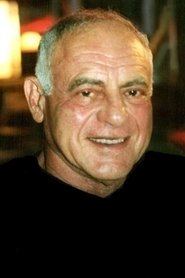
Jonathan Haze
Actor
Born: April 1, 1929 in Pittsburgh, Pennsylvania, USA Active: 1959-1963
Films
2 films
About Jonathan Haze
American actor who became a regular fixture in Roger Corman's prolific film production company during the early 1960s, establishing himself as a memorable character actor in the burgeoning B-movie scene. Born in Pittsburgh in 1929, Haze moved to California and began pursuing acting in the late 1950s, quickly finding his niche in low-budget genre films that would later achieve cult status. His breakthrough and most role came in 1960 when he portrayed Seymour Krelboined, the hapless florist who discovers a blood-thirsty plant in Roger Corman's quickie production 'The Little Shop of Horrors,' which was famously shot in just two days. Haze's perfectly calibrated performance captured the essence of a nervous, well-meaning young man caught in extraordinary circumstances, creating a character that has endured long after the film's initial release. He continued his collaboration with Corman, appearing in several other productions including 'The Terror' (1963), where he worked alongside horror icon Boris Karloff and a young Jack Nicholson. Haze became part of Corman's regular stock company of actors, appearing in multiple films that showcased his versatility and reliability as a character actor capable of handling both comedic and dramatic moments. After his acting career diminished in the mid-1960s, Haze transitioned to behind-the-scenes work in film production, though he occasionally returned to acting in smaller roles. His legacy remains firmly tied to the golden age of American B-movies, where his distinctive presence and memorable performances continue to be celebrated by cult film enthusiasts and cinema historians.
The Craft
On Screen
Haze developed a distinctive acting style characterized by his ability to portray nervous, socially awkward characters with genuine warmth and vulnerability. His performances often featured a perfect blend of physical comedy and subtle emotional depth, making his characters relatable despite the often outrageous circumstances of the low-budget films he appeared in. Haze had a particular talent for conveying anxiety and desperation through his expressive eyes and hesitant delivery, which made him ideal for playing protagonists caught in supernatural or horrific situations. His approach was naturalistic and understated compared to many of his B-movie contemporaries, allowing him to create characters that audiences could genuinely root for even in the most absurd scenarios.
Milestones
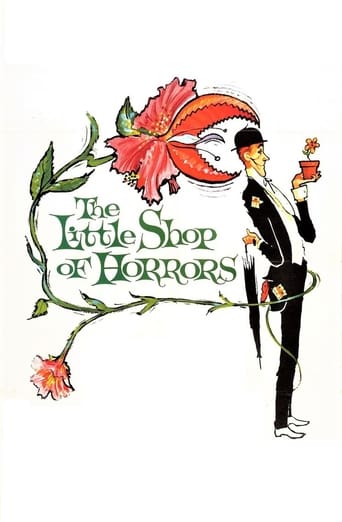
- Starred as Seymour Krelboined in 'The Little Shop of Horrors' (1960)
- Regular collaborator with director Roger Corman
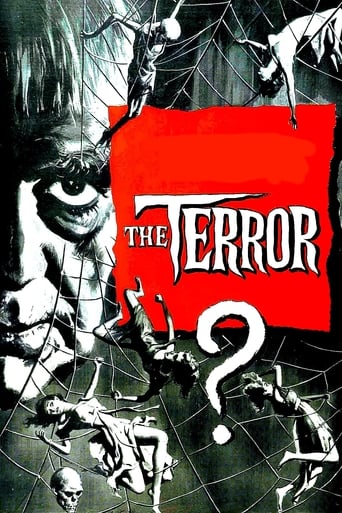
- Appeared in 'The Terror' (1963) with Boris Karloff and Jack Nicholson
- Part of Corman's stock company of actors
- Transitioned to behind-the-scenes film production work
Best Known For
Iconic Roles
Must-See Films
Accolades
Special Recognition
- Cult film recognition for 'The Little Shop of Horrors' performance
Working Relationships
Worked Often With
Studios
Why They Matter
Impact on Culture
Jonathan Haze's portrayal of Seymour Krelboined in 'The Little Shop of Horrors' has had a lasting cultural impact that extends far beyond the film's initial release as a low-budget quickie. The character he created became the template for the 'lovable loser' protagonist in cult cinema, influencing countless subsequent performances in horror-comedy films. Haze's work helped establish Roger Corman's reputation for discovering talent and creating memorable characters on minimal budgets, contributing to the mythos of the B-movie as a legitimate artistic medium. The enduring popularity of 'The Little Shop of Horrors' - which spawned a successful off-Broadway musical, a 1986 film adaptation, and numerous revivals - has ensured that Haze's performance continues to be discovered by new generations of film enthusiasts. His work represents an important chapter in American independent cinema history, showcasing how compelling performances could emerge from the most challenging production circumstances.
Lasting Legacy
Jonathan Haze's legacy in film history is primarily defined by his iconic performance in 'The Little Shop of Horrors,' which has become. Though his acting career was relatively brief, his work has endured through the continued popularity and cultural significance of the films he appeared in, particularly his collaboration with Roger Corman. Haze represents the archetype of the reliable character actor who, despite never achieving mainstream stardom, created performances that have stood the test of time and continue to be appreciated by cinephiles. His contribution to the golden age of American B-movies has been recognized in film retrospectives and documentaries about Roger Corman's impact on independent cinema. The character of Seymour Krelboined remains.
Who They Inspired
While Jonathan Haze was not a major star who influenced generations of actors in the traditional sense, his performance style and approach to playing sympathetic, nervous characters has been referenced and emulated in numerous horror-comedy productions that followed. His work with Roger Corman helped establish a template for creating compelling characters in low-budget genre films, demonstrating that strong performances could elevate material regardless of production limitations. The success and enduring popularity of 'The Little Shop of Horrors' influenced how filmmakers approached the horror-comedy genre, with Haze's portrayal of Seymour serving as a model for balancing humor and pathos in genre protagonists. His collaboration with Corman also contributed to the development of the independent film ecosystem that would later flourish in American cinema.
Off Screen
Jonathan Haze has maintained a relatively private personal life throughout his career and afterward. After stepping away from acting, he remained involved in the film industry through production work. He has participated in film conventions and retrospectives celebrating Roger Corman's work, sharing memories of his time in the B-movie industry. Haze has expressed appreciation for the enduring cult status of 'The Little Shop of Horrors' and has been gracious about fans' continued interest in his work from that period.
Education
Educational background not publicly documented
Did You Know?
- 'The Little Shop of Horrors' was filmed in just two days, making Haze's performance particularly impressive given the time constraints
- The role of Seymour Krelboined was originally written for Jack Nicholson, but Haze was cast instead
- Haze worked as a production assistant on some of Roger Corman's later films after his acting career wound down
- He appeared in several other Corman films besides his most famous roles, though often in smaller parts
- The plant in 'The Little Shop of Horrors' was named 'Audrey Jr.' after screenwriter Charles Griffith's girlfriend
- Haze's performance in 'The Little Shop of Horrors' was later referenced in the 1986 musical adaptation, though Rick Moranis played the role
- He was part of a regular group of actors that Corman used repeatedly in his films, including Dick Miller and Jack Nicholson
- Despite the film's cult status, Haze received minimal payment for his iconic performance in 'The Little Shop of Horrors'
- He has appeared at film conventions and retrospectives discussing his work with Corman
- The success of 'The Little Shop of Horrors' led to Haze being typecast in similar nervous, awkward character roles
In Their Own Words
Working with Roger Corman was like going to film school - you learned everything by doing it, and you had to learn fast.
I never thought 'Little Shop' would become what it did. We were just kids making a movie in two days, trying to have some fun and get paid.
Playing Seymour was both challenging and fun - he was such a sweet, nervous guy, and you had to make the audience care about him even when he was feeding people to a plant.
Frequently Asked Questions
Who was Jonathan Haze?
American with credits in this catalog. He was part of Corman's regular stock company of actors and appeared in several cult films that have since gained significant appreciation.
What films is Jonathan Haze best known for?
Titles linked here include The Little Shop of Horrors (1960), The Terror (1963).
When was Jonathan Haze born and when did he die?
Born April 1, 1929; died death date not listed.
What awards did Jonathan Haze win?
Jonathan Haze did not receive major industry awards or Academy Award nominations during his acting career. However, his performance in 'The Little Shop of Horrors' has gained significant cult recognition and appreciation from film enthusiasts and historians over the decades.
What was Jonathan Haze's acting style?
Haze developed a distinctive style characterized by his ability to portray nervous, socially awkward characters with genuine warmth and vulnerability. His performances blended physical comedy with subtle emotional depth, using expressive eyes and hesitant delivery to create relatable characters in absurd situations.
Did Jonathan Haze work with other famous actors?
Yes, Jonathan Haze worked with several notable actors during his career, most notably Boris Karloff and Jack Nicholson in 'The Terror' (1963). He was also part of Roger Corman's regular group of collaborators that included Dick Miller and other actors who would later become more famous.
Why did Jonathan Haze's acting career end so quickly?
Haze's acting career was relatively brief, spanning roughly from 1959 to 1963, after which he transitioned to behind-the-scenes work in film production. This was not uncommon for character actors in the B-movie industry, and many of Corman's regular actors either moved into other aspects of filmmaking or left the industry altogether.