



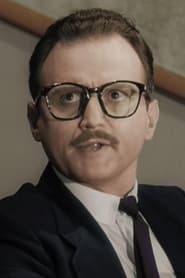
The Little Shop of Horrors
"A skid-row florist grows a plant that demands human flesh."
Keys: Space play/pause · ←/→ 10s · F fullscreen · M mute · </> speed
About this film
Skid-row florist Seymour in a skid row florist shop and is in love with his beautiful co-worker, Audrey. He creates a new plant that not only talks but cannot survive without human flesh and blood.
Cast & crew
More films like this


More Horror films
View all →
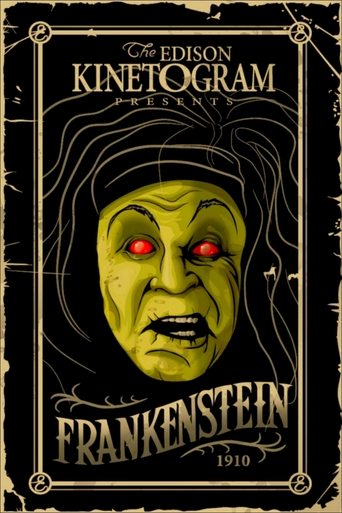
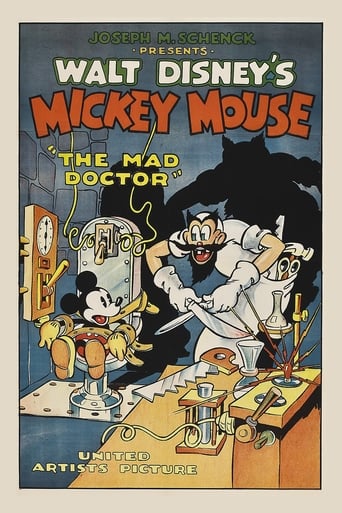
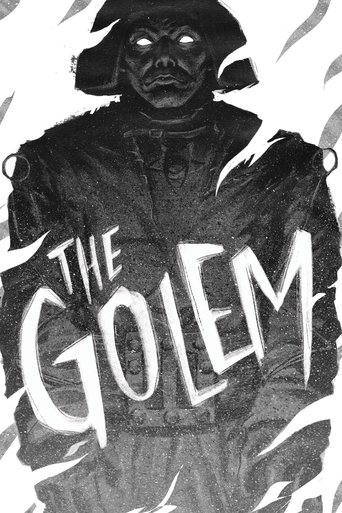
More from Roger Corman
View all →
More about this film
About the production
Release dateSeptember 14, 1960
Budget$30,000
Box officeUnknown (estimated minimal theatrical release)
ProductionThe Filmgroup
Filmed inLos Angeles, California, Mack Sennett Studios, Skid Row, Los Angeles
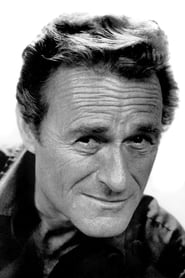
Filmed in just two days and one night (some sources say three days total), making it one of the fastest-produced feature films in cinema history. The entire movie was shot on leftover sets from other productions. The plant was created using various techniques including rubber, foam, and string manipulation. Dick Miller was originally cast as Seymour but was replaced by Jonathan Haze after Corman decided Miller was too confident for the character.
Themes
Uncontrolled ambitionConsumerism and materialismMoral compromiseThe American Dream corruptedNature versus nurture
Themes & topics
plantcarnivorous plantmurderblack comedyhorror comedyskid rowfloristlove triangleB-moviecult filmindependent filmquickie productiontalking planthuman flesh
Historical background
By 1960, distribution networks were widening, and The Little Shop of Horrors reached viewers through the same short-program bills that mixed comedy, news, and spectacle.
Why this film matters
Later homages and restorations keep The Little Shop of Horrors circulating among silent- and classic-film communities long after its first run.
Making of
The production of The Little Shop of Horrors is in Hollywood for its extreme efficiency and creativity under constraints. Roger Corman, known as the 'King of the B-Movies,' conceived the project after being challenged to make a film quickly using existing sets. The cast and crew worked around the clock, with many scenes being shot in single takes due to time constraints. The plant effects were created using simple but effective methods - a combination of rubber, foam, and string manipulation, with different sized plants used for different stages of growth. The dialogue was often improvised, with Charles B. Griffith feeding lines to actors off-camera. The famous dental scene with Jack Nicholson was largely ad-libbed, showcasing Nicholson's early comedic talent. The film's rapid production became a case study in independent filmmaking efficiency, with Corman demonstrating how to create entertainment value despite severe limitations.
What critics said
Press clipping files from 1960 rarely give The Little Shop of Horrors headline space; mentions appear in roundup columns listing what played that week.
Did you know?
- Jack Nicholson appears in a small role as Wilbur Force, a masochistic dental patient, in one of his earliest film appearances
- The film was shot in just two days and one night, setting a record for fastest feature film production
- Director Roger Corman claimed he made the film on a bet that he couldn't shoot a quality film in less than three days
- The plant's voice was provided by multiple actors including screenwriter Charles B. Griffith
- The film was originally intended to be a serious horror film but evolved into a comedy during production
- Many of the character names were inspired by real people: Seymour was named after a real florist, and other characters were named after cast and crew members
- The film was shot for only $30,000 but has earned millions in subsequent years through home video and television
- The dentist scene with Jack Nicholson was improvised on the spot
- The film was not given a wide theatrical release but gained cult status through drive-in theaters and midnight screenings
- Charles B. Griffith wrote the script in just one week, incorporating elements from various horror stories he had written
- The plant's growing sizes were achieved by using different sized props throughout filming
Visual style
The cinematography by Arch R. Dalzell was remarkably efficient given the film's rapid production schedule. Shot in black and white, the film uses high-contrast lighting typical of low-budget horror films of the era, but with a comedic twist that subverts genre expectations. The camera work is straightforward and functional, focusing on clear storytelling rather than stylistic flourishes, which was necessary given the limited time for complex setups. The cramped florist shop set creates a claustrophobic atmosphere that enhances both the horror and comedy elements. The film makes clever use of Dutch angles and close-ups, particularly when featuring the plant, to create a sense of growing menace and absurdity. The cinematography effectively captures the gritty reality of Skid Row while maintaining the film's fantastical elements. Despite the constraints, Dalzell managed to create memorable visual compositions, especially in the plant's feeding scenes where shadows and lighting enhance the horror-comedy tone.
Innovations
While The Little Shop of Horrors wasn't a technical pioneer in the traditional sense, it achieved remarkable results through creative problem-solving and resourcefulness. The plant effects, created by a team led by Dick Miller, used innovative techniques including rubber latex, foam rubber, and sophisticated puppetry to bring Audrey Jr. to life. The film's rapid production schedule (two days and one night) demonstrated unprecedented efficiency in feature filmmaking, with Corman developing techniques that would influence independent filmmaking for decades. The sound design for the plant's voice and movements was particularly inventive, using multiple sound sources and voice actors to create the creature's distinctive personality. The film also showcased how to maximize visual storytelling through minimal resources, using lighting and composition to create atmosphere despite limited sets and equipment. These technical achievements, born of necessity rather than innovation, have become case studies in low-budget filmmaking creativity.
Music
The film's music was composed by Ronald Stein, a frequent Corman collaborator who created an effective score that balanced horror and comedy elements. The main theme features a jaunty, slightly off-kilter melody that perfectly captures the film's tone of playful menace. Stein's score uses a combination of traditional horror film techniques (dissonant strings, dramatic brass) with lighter, more comedic motifs that underscore the film's satirical elements. The plant's 'voice' was created through a combination of sound effects and voice work, with the sound design team using various techniques to make the plant seem both menacing and oddly charming. The film's audio also makes effective use of diegetic sounds from the Skid Row setting, creating an authentic urban atmosphere. The soundtrack, while not commercially released, has become recognizable to cult film fans and effectively supports the narrative without overwhelming the comedy or horror elements.
Famous quotes
Feed me! Feed me! FEED ME! - Audrey Jr.
I didn't mean to kill him! The plant made me do it! - Seymour
You know what they say about dentists... they're always drilling! - Wilbur Force (Jack Nicholson)
I'm a murderer! But I'm not a bad person! - Seymour
Business is business! - Mr. Mushnik
Seymour, you're the only one who understands me. - Audrey
I've never felt so alive! - Audrey Jr. after feeding
This is my moment of glory! - Seymour
Memorable scenes
- Jack Nicholson's dental patient scene where he gleefully endures painful dental work, showcasing his early comedic genius
- Seymour's first feeding of Audrey Jr. with the accidental finger, establishing the plant's carnivorous nature
- The plant's first spoken word 'Feed me!' revealing its sentient and demanding personality
- The final scene where Seymour is consumed by the plant, completing the tragic cycle
- The musical number 'Skid Row (Downtown)' style montage showing the bleak urban environment
- The various feeding montages where Seymour lures different victims to the shop
- The growing plant's increasingly elaborate demands and personality development
What audiences thought
Initial audience reception was modest, as the film primarily played in drive-in theaters and grindhouse venues where it found its niche among horror and B-movie enthusiasts. However, over time, The Little Shop of Horrors developed a passionate cult following, with audiences drawn to its quirky charm, black humor, and endearing characters. The film gained popularity through television broadcasts and home video releases, where its brevity and entertainment value made it perfect for casual viewing. Audiences particularly responded to the plant's personality and Seymour's sympathetic characterization despite his descent into murder. The film's word-of-mouth reputation grew throughout the 1960s and 1970s, leading to midnight screenings that cemented its cult status. The subsequent adaptations (musical and 1986 film) introduced new generations to the original, with many fans seeking out Corman's version to appreciate its raw energy and creativity. Modern audiences continue to discover the film through streaming platforms and special screenings, maintaining its relevance more than six decades after its release.
Film connections
Influenced by
- Little Shop of Horrors (original stage play by Howard Ashman)
- Invasion of the Body Snatchers (1956)
- The Blob (1958)
- B-movie horror tradition
- Film noir visual style
- Screwball comedy dialogue
This film influenced
- Little Shop of Horrors (1986 musical film)
- Little Shop of Horrors (stage musical)
- Attack of the Killer Tomatoes (1978)
- The Toxic Avenger (1984)
- Gremlins (1984)
- Evil Dead series
Film restoration
The Little Shop of Horrors was selected for preservation in the United States National Film Registry by the Library of Congress in 2021, being deemed 'culturally, historically, or aesthetically significant.' The film has been digitally restored and is available in high-quality transfers on Blu-ray and streaming platforms. While the original negative has not survived in complete form, multiple prints and elements were used to create comprehensive restorations. The film's preservation status is considered good, with several high-quality versions available for both archival and commercial purposes. The restoration work has particularly focused on improving the audio quality, especially for the plant's dialogue, which was often difficult to hear in earlier releases due to the low-budget recording conditions.
Where to watch
- The Criterion Channel
- Shudder
- Tubi (free with ads)
- Amazon Prime Video (for rent/purchase)
- Apple TV (for rent/purchase)
- Google Play (for rent/purchase)
- YouTube Movies (for rent/purchase)
- Blu-ray/DVD from various distributors including The Criterion Collection
- Public domain versions available on various free streaming sites