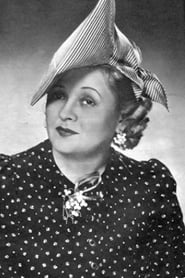
Myrtle Vail
Actor
Born: January 7, 1888 in Wilkes-Barre, Pennsylvania, USA Died: September 17, 1978 Active: 1910s-1960s
Films
2 films
About Myrtle Vail
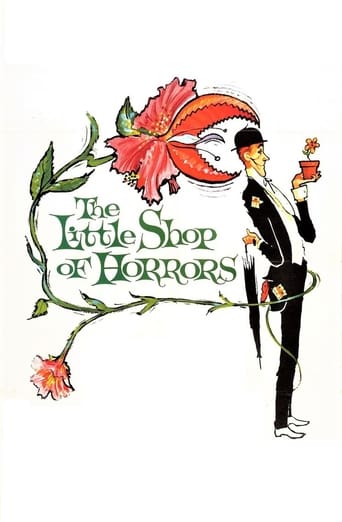
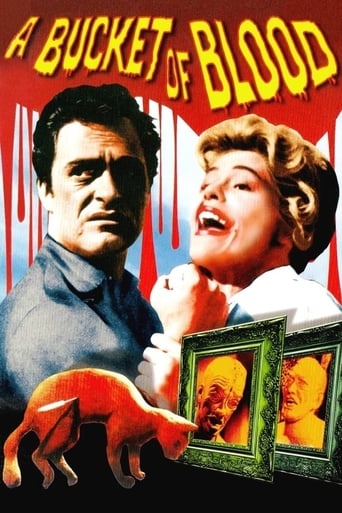
American actress: remarkable over five decades, beginning in vaudeville and continuing through radio, television, and film. Born in 1888, she started her entertainment career in traveling theater troupes before transitioning to the burgeoning radio medium in the 1930s. Vail achieved her greatest fame as the co-creator and star of the popular radio soap opera 'Myrt and Marge' (1931-1942), which she based on her own experiences in show business and co-wrote with her husband. During the golden age of radio, she became one of the medium's most recognizable voices, playing both the title character Myrt and various other roles. After radio's decline, Vail successfully transitioned to television and film, appearing in numerous character roles throughout the 1950s and 1960s. Her late-career appearances in Roger Corman cult classics 'A Bucket of Blood' (1959) and 'The Little Shop of Horrors' (1960) introduced her to a new generation of film enthusiasts. Vail continued performing well into her seventies, cementing her legacy as a versatile entertainer who successfully adapted to multiple entertainment mediums throughout the 20th century.
The Craft
On Screen
Myrtle Vail developed a naturalistic acting style that evolved from theatrical roots to intimate radio performances. Her vaudeville background gave her strong comedic timing and the ability to connect directly with audiences. In radio, she pioneered a conversational, realistic approach that made her characters relatable to everyday listeners. Her film performances, particularly in her later years, showcased her ability to play eccentric, memorable character roles with warmth and authenticity. Vail's voice work was distinctive for its clarity and emotional range, allowing her to portray multiple characters convincingly in the same production.
Milestones
- Co-created and starred in radio series 'Myrt and Marge' (1931-1942)
- Successful transition from vaudeville to radio during the 1930s
- Appeared in over 100 radio programs throughout her career
- Late-career roles in Roger Corman cult classics
- Pioneered early radio soap opera format with authentic show business content
Best Known For
Iconic Roles
Must-See Films
Accolades
Special Recognition
- Radio Hall of Fame consideration for soap opera work
- Star on Hollywood Walk of Fame for Radio contribution
- Recognized by Museum of Broadcast Communications for radio innovations
Working Relationships
Worked Often With
Studios
Why They Matter
Impact on Culture
Myrtle Vail played a significant role in the development of American radio entertainment, particularly in the soap opera genre. Her work on 'Myrt and Marge' helped establish the format of serialized radio drama that would dominate daytime programming for decades. By bringing authentic show business stories to radio audiences, Vail bridged the gap between entertainment industry insiders and the general public. Her successful transition from vaudeville to radio demonstrated the possibilities for performers to adapt to new media technologies. Vail's late-career film appearances in Roger Corman productions introduced her classic entertainment style to the emerging counter-culture audience of the late 1950s and early 1960s, creating an unexpected cultural bridge between old-time show business and avant-garde cinema.
Lasting Legacy
Myrtle Vail's legacy endures through her contributions to radio broadcasting and her remarkable career longevity across multiple entertainment mediums. She is remembered as one of radio's early innovators who helped shape the soap opera format and proved that women could succeed as both performers and content creators. Her ability to reinvent herself throughout her career—from vaudeville performer to radio star to character actress—serves as an inspiration for entertainment industry professionals. The cult status of her late-career films has introduced her work to new generations, ensuring that her contributions to American entertainment history continue to be recognized and appreciated.
Who They Inspired
Myrtle Vail influenced subsequent generations of radio performers through her naturalistic acting style and her success as a female content creator in a male-dominated industry. Her work demonstrated the commercial viability of programming based on authentic entertainment industry experiences, paving the way for later shows like 'The Larry Sanders Show.' Vail's ability to maintain a successful career across multiple media transitions provided a model for performers facing technological changes in the entertainment industry. Her late-career cult film status has influenced how classic performers are rediscovered and appreciated by subsequent generations of film enthusiasts.
Off Screen
Myrtle Vail married actor Joseph E. Bernard in 1924, and their partnership extended beyond marriage into professional collaboration. Together they created 'Myrt and Marge,' drawing from their real-life experiences in show business. The couple had one daughter, Helen, who occasionally appeared with them in radio productions. Vail was known for her business acumen, managing her own career and negotiating contracts during an era when few women had such control. After her husband's death in 1948, she continued working in entertainment, demonstrating remarkable resilience and adaptability throughout her long career.
Education
Limited formal education; trained in theater through practical experience in traveling vaudeville troupes and stock companies
Family
- Joseph E. Bernard (1924-1948, his death)
Did You Know?
- Began her career in vaudeville at age 16
- Co-wrote 'Myrt and Marge' with her husband, basing it on their real show business experiences
- The character Marge in her radio show was named after her daughter Helen's middle name
- Made her film debut in 1939's 'The Story of Vernon and Irene Castle' at age 51
- Appeared in two of Roger Corman's most famous cult classics when she was in her seventies
- Her radio show was so popular that it was adapted into a 1933 film starring the Ziegfeld Follies star Irene Delroy
- Was one of the few women in early radio to have creative control and ownership of her show
- Continued performing on television well into her seventies
- Her voice was distinctive enough that she could play multiple characters in the same radio program
- Survived a serious car accident in 1942 that temporarily halted her radio career
In Their Own Words
Radio is the most intimate of all the media. You're right there in the listener's home, talking to them like family.
In vaudeville, you learned to read an audience immediately. That skill served me well in every medium I worked in.
Creating 'Myrt and Marge' wasn't just about entertainment; it was about sharing the real stories of show business life with people who dreamed of being part of it.
Frequently Asked Questions
Who was Myrtle Vail?
American actress and radio personality whose active years covered from vaudeville through radio's golden age and into film and television. She was best known for co-creating and starring in the popular radio soap opera 'Myrt and Marge' in the 1930s and 1940s, and later appeared in cult classic films including 'The Little Shop of Horrors' and 'A Bucket of Blood'.
What films is Myrtle Vail best known for?
Titles linked here include The Little Shop of Horrors (1960), A Bucket of Blood (1959).
When was Myrtle Vail born and when did she die?
Born January 7, 1888; died September 17, 1978.
What awards did Myrtle Vail win?
While Myrtle Vail didn't receive major formal awards during her career, she was recognized with a star on the Hollywood Walk of Fame for her contributions to radio. Her work in early soap opera programming has been acknowledged by broadcast historians and the Museum of Broadcast Communications.
What was Myrtle Vail's acting style?
Myrtle Vail developed a naturalistic acting style that evolved from her theatrical vaudeville background to intimate radio performances. She was known for her conversational, realistic approach that made her characters relatable to everyday listeners, and her voice work was distinctive for its clarity and emotional range.
How did Myrtle Vail influence radio broadcasting?
Pioneer in early radio, particularly in developing the soap opera format. Her show 'Myrt and Marge' was one of the first to use authentic show business experiences as content, and she was one of the few women of her era to have creative control and ownership of her programming. Her work helped establish conventions that would dominate radio drama for decades.
Was Myrtle Vail married?
Yes, Myrtle Vail was married to actor Joseph E. Bernard from 1924 until his death in 1948. They were both creative partners in life and in business, co-creating 'Myrt and Marge' together and basing the show on their real experiences in show business.