


A Bucket of Blood
"Nerdy Walter Paisley."
Keys: Space play/pause · ←/→ 10s · F fullscreen · M mute · </> speed
About this film
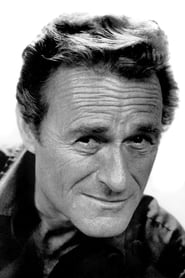
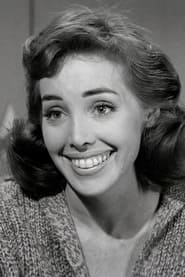
Nerdy Walter Paisley, a maladroit busboy at a beatnik café who doesn't fit in with the cool scene around him, attempts to woo his beautiful co-worker, Carla, by making a bust of her. When his klutziness results in the death of his landlady's cat, he panics and hides its body under a layer of plaster. But when Carla and her friends enthuse over the resulting artwork, Walter decides to create some bigger and more elaborate pieces using the same artistic process.
Cast & crew
More films like this

More Comedy films
View all →







More from Roger Corman
View all →
More about this film
About the production
Release dateOctober 1959
Budget$50,000
Box officeUnknown exact figures, but was highly profitable for its budget
ProductionAllied Artists Pictures Corporation, Santa Monica Productions
Filmed inLos Angeles, California, The Silver Lake area of Los Angeles
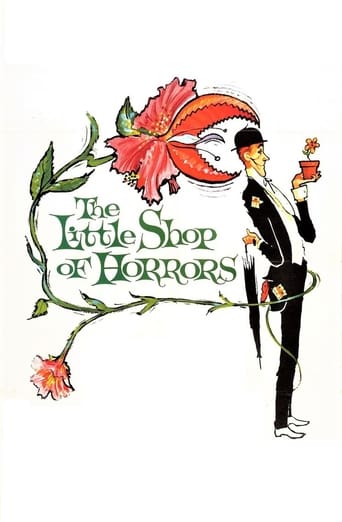
Shot in just five days for an incredibly low budget, this film was conceived as a quick follow-up to Corman's successful 'The Little Shop of Horrors.' The entire film was shot using existing sets from previous productions to save money. Dick Miller's performance was so convincing that Corman later cast him in numerous other films. The beatnik café set was reused from 'The Wild Angels' and other productions. The film was written in three days by Charles B. Griffith, who also wrote the screenplay for 'The Little Shop of Horrors.'
Themes
Art and authenticitySocial alienation and belongingThe dark side of creativityHypocrisy in artistic circlesViolence as artistic expression
Themes & topics
Historical background
Production circa 1959 meant fixed cameras, intertitles or early sound rigs, and studio economies that shaped every scene in A Bucket of Blood.
Why this film matters
Historians treat A Bucket of Blood as evidence of what typical 1959 audiences could see in a program slot.
Making of
The production was remarkably efficient even by Roger Corman's standards. Charles B. Griffith wrote the script in just three days, drawing inspiration from his observations of the beatnik scene in Los Angeles. The casting of Dick Miller was crucial - Corman had worked with him before and knew he could portray both the pathetic and sinister aspects of Walter's character. The beatnik café set was built on a soundstage at the Allied Artists studio, with many of the props and decorations borrowed from other productions. The film's most challenging scene involved the creation of the sculptures, which required careful camera work to avoid revealing the gruesome reality beneath the plaster. The cast and crew worked long hours to complete the film within the tight schedule, often improvising dialogue and scenes on the spot. Despite the rushed production, the film's dark humor and social commentary about the art world and beatnik culture were carefully crafted.
What critics said
Press files from 1959 mention A Bucket of Blood in roundup columns of what played that week.
Did you know?
- The film was written and shot in just 10 days total - 3 days for writing and 7 days for filming
- Dick Miller's character Walter Paisley became so iconic that Miller played characters named Walter Paisley in several other films throughout his career
- The film was originally conceived as a sequel to 'The Little Shop of Horrors' but was developed as a separate project
- The cat in the film was actually played by two different cats - one for the live scenes and a fake one for the death scene
- The beatnik poetry in the film was written by Charles B. Griffith, who also wrote the screenplay
- Director Roger Corman was so pleased with the film's profitability that he immediately greenlit another quick horror-comedy
- The film's title was inspired by a real incident where a man was found with a bucket containing human remains
- Many of the beatnik extras were actual beatniks from the Los Angeles area, not professional actors
- The plaster sculptures were created by using real animal carcasses covered in plaster for realism
- The film was so successful that it was remade in 1995 with Anthony Michael Hall as Walter
Awards & recognition
- None documented
Visual style
The cinematography by Jack V. McGowan was efficient and effective despite the film's low budget. McGowan used high-contrast black and white photography to enhance the film's dark humor and create a noir-like atmosphere. The camera work in the café scenes employed dynamic angles to capture the energy of the beatnik gatherings, while the murder sequences used shadows and quick cuts to suggest violence without explicit gore. The film made clever use of deep focus to create a sense of claustrophobia in Walter's apartment and workshop. McGowan's lighting techniques were particularly effective in the sculpture scenes, using harsh lighting to create dramatic shadows that emphasized the grotesque nature of Walter's 'art.' The cinematography successfully balanced the film's comedic and horrific elements, creating a visual style that was both expressionistic and grounded in reality.
Innovations
Despite its minimal budget, 'A Bucket of Blood' achieved several notable technical accomplishments. The film's special effects, particularly the creation of the plaster sculptures, were remarkably convincing given the resources available. The production team developed innovative techniques for creating the illusion of human forms beneath plaster using a combination of mannequins, animal carcasses, and clever camera work. The film's editing, particularly in the murder sequences, used rapid cuts and creative transitions to suggest violence without explicit gore, working within the constraints of the Production Code. The sound design effectively used jazz music and ambient café noise to create an immersive beatnik atmosphere. The film's tight 66-minute runtime demonstrated exceptional efficiency in storytelling, with every scene serving multiple purposes in advancing plot, developing character, or establishing theme.
Music
The film's music was composed by Fred Katz, a jazz cellist and composer who was deeply involved in the beatnik scene. Katz's score combined jazz elements with traditional horror film motifs, creating a unique musical backdrop that perfectly captured the film's blend of comedy and terror. The soundtrack featured prominent use of bongo drums and saxophone, instruments closely associated with beatnik culture. The music during the murder scenes used dissonant jazz chords and frantic rhythms to build tension, while the café scenes featured more laid-back, cool jazz that reflected the beatnik atmosphere. The score was recorded quickly but effectively, with Katz drawing on his extensive experience in the Los Angeles jazz scene. The music has been praised for its ability to enhance both the film's humor and its horror elements, creating a distinctive audio identity for the production.
Famous quotes
I was just trying to make something beautiful.
It's not what you do, it's how you do it.
You're a killer, Walter. A killer!
Art is very important, but it's not worth killing for... or is it?
I'm an artist! I'm an artist!
Memorable scenes
- The scene where Walter accidentally kills the cat and covers it in plaster, creating his first 'sculpture'
- Walter's nervous presentation of his cat sculpture to the beatnik crowd at the café
- The sequence where Walter murders the delivery man and creates his first human sculpture
- The climactic art exhibition where Walter's secret is revealed
- The final chase scene through the café with Walter covered in plaster
What audiences thought
Audiences in 1959 responded positively to the film's blend of horror and humor, making it a commercial success despite its limited release. The film found particular favor with younger audiences who appreciated its satirical take on adult society and artistic pretension. Over the decades, it has developed a strong cult following, with midnight screenings becoming popular in the 1970s and 1980s. The film's reputation has grown through home video releases and television airings, introducing it to new generations of horror fans. Modern audiences often praise its clever script, Dick Miller's performance, and its surprisingly effective suspense sequences. The film's short runtime and brisk pacing make it particularly appealing to contemporary viewers accustomed to faster-paced entertainment.
Film connections
Influenced by
- The Little Shop of Horrors (1960)
- Psycho (1960)
- House of Wax (1953)
- The Bad Seed (1956)
- Beat Generation literature
This film influenced
- The Little Shop of Horrors (1960)
- Blood Feast (1963)
- The Texas Chain Saw Massacre (1974)
- Maniac (1980)
- American Psycho (2000)
Film restoration
The film has been preserved by the Academy Film Archive and is part of the Roger Corman collection. A restored version was released on Blu-ray by Shout! Factory in 2017, featuring a new 4K transfer from the original camera negative. The film is not considered lost or at risk, with multiple high-quality home video releases ensuring its preservation for future generations.
Where to watch
- Available on Blu-ray from Shout! Factory
- Streaming on Shudder
- Available for digital rental on Amazon Prime Video and Apple TV
- Occasionally airs on Turner Classic Movies
- Available on DVD from various distributors including MGM