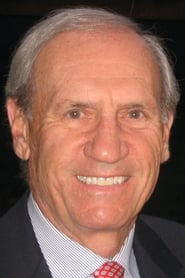
Antony Carbone
Actor
Born: July 15, 1925 in New York City, New York, USA Died: April 4, 2017 Active: 1957-1975
Films
2 films
About Antony Carbone
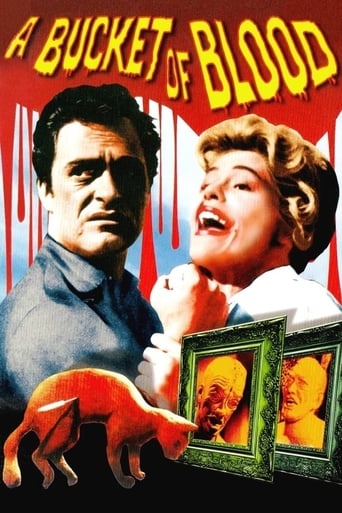
American character actor who found his niche in low-budget horror and science fiction films during the late 1950s and early 1960s. Born in New York City, Carbone began his acting career after serving in World War II, initially working in theater before transitioning to film and television. He became a frequent collaborator with producer/director Roger Corman, appearing in several of the director's most memorable B-movies including the cult classic 'A Bucket of Blood' (1959) where he played art critic Leonard de Lath. Carbone's distinctive appearance and versatile acting style made him a reliable presence in Corman's rapidly produced films, often playing authority figures, villains, or comic relief characters. His roughly two decades, though his most prolific period was the late 1950s through the mid-1960s when he appeared in over 30 films and numerous television episodes. After his film career waned in the late 1960s, Carbone continued working sporadically in television and made occasional film appearances through the 1970s. Though never achieving mainstream stardom, he became beloved among cult film enthusiasts for his memorable performances in genre cinema.
The Craft
On Screen
Carbone was known for his versatile and energetic character performances, often bringing a theatrical intensity to his roles that elevated the material beyond typical B-movie fare. He had a distinctive presence with his sharp features and expressive face, allowing him to convincingly play everything from menacing villains to comedic sidekicks. His background in theater informed his deliberate enunciation and physical expressiveness, making him stand out even in ensemble casts. Carbone approached each role with professionalism regardless of the film's budget, bringing depth to characters that might otherwise have been one-dimensional.
Milestones
- Breakout role in 'A Bucket of Blood' (1959) as Leonard de Lath
- Regular collaborator with Roger Corman on multiple films
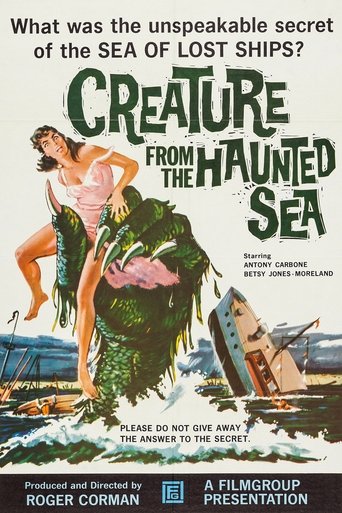
- Memorable performance in 'Creature from the Haunted Sea' (1961)
- Extensive television work in Westerns and crime dramas
- Transition from character actor to cult film icon
Best Known For
Iconic Roles
Must-See Films
Accolades
Special Recognition
- Cult film icon status among B-movie enthusiasts
Working Relationships
Worked Often With
Studios
Why They Matter
Impact on Culture
Antony Carbone became an integral part of the Roger Corman film universe that helped define 1950s and 1960s American B-movie cinema. His performances in films like 'A Bucket of Blood' and 'Creature from the Haunted Sea' contributed to the unique charm and enduring appeal of Corman's low-budget productions. Carbone's work represents the era when character actors could build substantial careers in genre films, bringing professionalism and memorable performances to projects with limited resources. His films have been preserved and celebrated by subsequent generations of filmmakers and fans, influencing the aesthetic of independent horror and science fiction cinema.
Lasting Legacy
Antony Carbone's legacy lies in his contributions to the golden age of American B-movies and his status as a beloved cult film actor. His performances continue to be discovered and appreciated by new generations of film enthusiasts, particularly those interested in the history of independent and genre cinema. The films he appeared in, especially those directed by Roger Corman, are now studied as important examples of low-budget filmmaking efficiency and creativity. Carbone represents the working character actors who formed the backbone of Hollywood's genre film production system, bringing credibility and entertainment value to films that might have otherwise been forgettable.
Who They Inspired
While Antony Carbone was not a mainstream star who influenced major Hollywood actors, his work in Roger Corman's films influenced generations of independent filmmakers who studied Corman's production methods. The professionalism and commitment Carbone brought to his roles, regardless of budget constraints, set an example for character actors working in independent cinema. His performances helped establish the template for the quirky, memorable supporting characters that became a hallmark of successful B-movies and cult films. Modern horror and science fiction filmmakers often cite Corman's films as inspiration, and by extension, the memorable performances of actors like Carbone.
Off Screen
Antony Carbone served in the United States Army during World War II before pursuing his acting career. He was married to his wife for over 50 years until her death. After retiring from acting, he lived a relatively private life in California, occasionally attending film conventions and cult movie events where he was celebrated by fans of his work. Despite his cult status, he remained humble about his contributions to cinema and often expressed surprise that his B-movie work had garnered such a devoted following over the decades.
Family
- Carbone was married to his wife for over 50 years until her death
Did You Know?
- Carbone served in the U.S. Army during World War II before beginning his acting career
- He appeared in three films directed by Roger Corman in 1959 alone
- Despite being born in New York, he often played characters with European accents
- He worked with director Francis Ford Coppola early in Coppola's career on Corman films
- His performance in 'A Bucket of Blood' was praised by critics for elevating the film above typical B-movie fare
- Carbone continued to receive fan mail decades after his most famous films were released
- He was one of the few actors to appear in both 'The Little Shop of Horrors' and its spiritual predecessor 'A Bucket of Blood'
- His character in 'Creature from the Haunted Sea' was a parody of Humphrey Bogart's roles
- Carbone often performed his own stunts in low-budget productions
- He appeared in episodes of popular television series including 'The Untouchables' and 'Perry Mason'
In Their Own Words
On working with Roger Corman: 'Roger knew exactly what he wanted and how to get it quickly. We made good movies fast, and we had fun doing it.'
On his cult status: 'I never imagined people would still be watching these films fifty years later. It's wonderful to know they brought joy to so many.'
On B-movie acting: 'Every role deserves your best effort, whether it's in a big studio picture or a quickie horror film. The audience deserves your best.'
Frequently Asked Questions
Who was Antony Carbone?
American character with credits in this catalog. He appeared in cult classics like 'A Bucket of Blood' and 'Creature from the Haunted Sea,' becoming a beloved figure among genre film enthusiasts.
What films is Antony Carbone best known for?
Titles linked here include A Bucket of Blood (1959), Creature from the Haunted Sea (1961).
When was Antony Carbone born and when did he die?
Born July 15, 1925; died April 4, 2017.
What awards did Antony Carbone win?
While Antony Carbone did not receive major industry awards during his career, he achieved lasting recognition as a cult film icon. His performances have been celebrated by B-movie enthusiasts and film historians for their contribution to American genre cinema.
What was Antony Carbone's acting style?
Carbone was known for his energetic and versatile character performances, bringing theatrical intensity to his roles regardless of film budget. His distinctive appearance and expressive delivery allowed him to play various character types, from villains to comic relief, with memorable effectiveness.