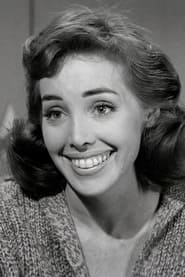
Barboura Morris
Actor
Born: October 22, 1932 in Los Angeles, California, USA Died: October 23, 1975 Active: 1959-1964 Birth Name: Barboura O'Neill
Films
2 films
About Barboura Morris
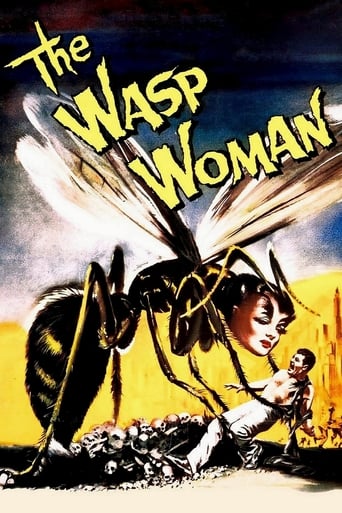
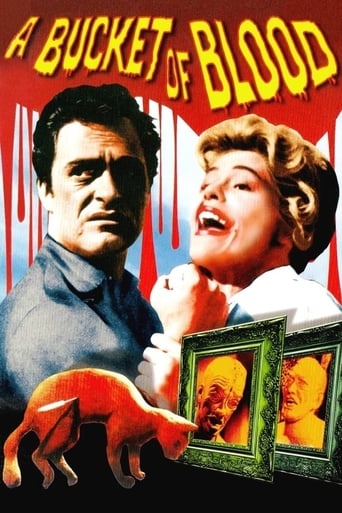
Barboura Morris is credited on a single production — The Little Shop of Horrors (1960). She began her career working extensively with producer-director Roger Corman, becoming part of his regular ensemble of actors who appeared in multiple productions. Morris's most notable performances came in 1959 when she starred in two of Corman's cult classics: 'A Bucket of Blood' as Carla, the sympathetic beatnik girlfriend, and 'The Wasp Woman' as Janice, the secretary to the cosmetics company CEO. She continued working with Corman on other films including 'The Little Shop of Horrors' (1960) and 'The Terror' (1963), often playing supporting roles that showcased her natural acting ability and screen presence. Despite her brief career spanning roughly five years, Morris on the B-movie genre, particularly in the horror circuit where her performances are still celebrated by cult film enthusiasts. Her career came to an end in the mid-1960s as she stepped away from acting to focus on her personal life. Tragically, her life was cut short when she died from cancer at the age of 43, leaving behind a legacy of memorable performances in some of the most beloved cult films of their era.
The Craft
On Screen
Naturalistic and understated, Morris brought a sense of authenticity to her roles despite working in the often melodramatic B-movie genre. She had a particular talent for playing sympathetic, grounded characters who served as the audience's emotional anchor in fantastical or horrific situations. Her approach was subtle yet effective, never overplaying the drama even when surrounded by outrageous plot elements.
Milestones
- Starred in 'A Bucket of Blood' (1959) as Carla
- Appeared in 'The Wasp Woman' (1959) as Janice
- Featured in 'The Little Shop of Horrors' (1960)
- Worked extensively with Roger Corman productions
- Became part of the Corman regular ensemble cast
Best Known For
Iconic Roles
Must-See Films
Working Relationships
Worked Often With
Studios
Why They Matter
Impact on Culture
Barboura Morris became an iconic figure in the cult film world through her work with Roger Corman, helping to define the aesthetic of American International Pictures' horror output in the late 1950s and early 1960s. Her performances in 'A Bucket of Blood' and 'The Wasp Woman' have been studied by film scholars as examples of how actors brought credibility and emotional depth to low-budget productions. Morris represented the everywoman character in horror films, often serving as the voice of reason or the moral center amid the chaos. Her work contributed to the development of the B-horror genre that would influence generations of filmmakers and actors.
Lasting Legacy
Barboura Morris's legacy lives on through the enduring popularity of the cult classics in which she appeared. Her performances are regularly featured in horror film retrospectives and are celebrated by fans of 1950s and 1960s B-movies. Film historians often cite her as an example of an actor who could transcend the limitations of low-budget productions to deliver memorable, authentic performances. Her work with Roger Corman has been preserved through home video releases and continues to introduce new generations to her talent.
Who They Inspired
While not a household name, Morris influenced the archetype of the sympathetic female character in horror films. Her naturalistic approach to acting in genre films paved the way for future actors who sought to bring credibility to horror and exploitation movies. Many contemporary actresses working in independent horror films cite the Corman ensemble, including Morris, as inspiration for bringing depth and authenticity to genre roles.
Off Screen
Barboura Morris married fellow actor Antony Carbone, with whom she frequently appeared in Roger Corman films. Their marriage lasted from 1959 until their divorce in 1965. After her acting career ended, Morris largely withdrew from public life. She struggled with health issues in her later years and ultimately died from cancer just one day after her 43rd birthday in 1975. Despite her relatively short time in the spotlight, she maintained friendships with several of her Corman colleagues throughout her life.
Family
- Antony Carbone (1959-1965)
Did You Know?
- Born and died just one day apart (October 22 and October 23)
- Worked with Jack Nicholson before he became famous in 'The Little Shop of Horrors'
- Appeared in multiple films that were shot in just a few days, typical of Corman productions
- Her role in 'A Bucket of Blood' was one of her most substantial, giving her significant screen time
- Often played the girlfriend or love interest to characters played by Dick Miller and Antony Carbone
- The film
- Atlas' (1961) was one of her few non-horror roles',
- Her performance in 'A Bucket of Blood' is frequently praised as one of the film's highlights
- She was part of what film historians call 'Corman's stock company' of actors
- Despite her brief career, she appeared in films that would become cult classics decades later
- Her real last name was O'Neill, which she used professionally as Morris
Frequently Asked Questions
Who was Barboura Morris?
American actress best known for her work in Roger Corman's low-budget horror and exploitation films during the late 1950s and early 1960s. She appeared in cult classics like 'A Bucket of Blood' and 'The Wasp Woman,' becoming part of Corman's regular ensemble of actors.
What films is Barboura Morris best known for?
Titles linked here include A Bucket of Blood (1959), The Wasp Woman (1959).
When was Barboura Morris born and when did she die?
Born October 22, 1932; died October 23, 1975.
What awards did Barboura Morris win?
Barboura Morris did not receive any major awards or nominations during her career. However, her performances have been retrospectively celebrated by cult film enthusiasts and horror film historians as significant contributions to the B-movie genre.
What was Barboura Morris's acting style?
Morris was known for her naturalistic and understated acting style, which brought authenticity and emotional depth to her roles in often melodramatic B-movies. She excelled at playing sympathetic, grounded characters who served as the audience's emotional anchor in fantastical or horrific situations.
Did Barboura Morris work with any famous directors?
Morris worked extensively with Roger Corman,. Corman's mentorship of young talent and efficient filmmaking methods helped launch the careers of many actors and directors, including Martin Scorsese and Francis Ford Coppola.
Was Barboura Morris married?
Yes, Barboura Morris was married to actor Antony Carbone from 1959 to 1965. Carbone was also a regular in Roger Corman films, and the couple appeared together in several productions including 'A Bucket of Blood' and 'The Wasp Woman'.