
Roger Corman
Director
Born: April 5, 1926 in Detroit, Michigan, USA Active: 1953-present Birth Name: Roger William Corman
Films
5 films
About Roger Corman
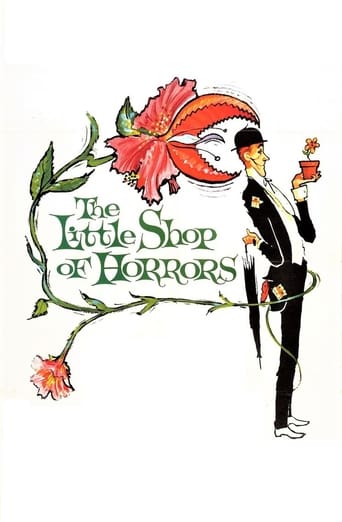
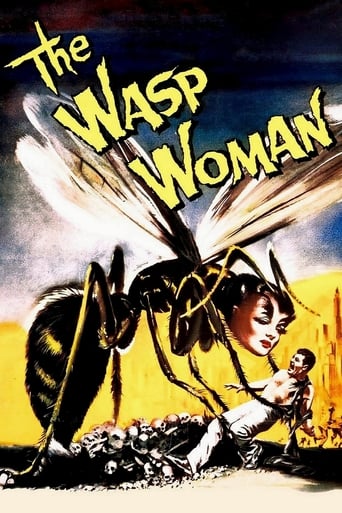
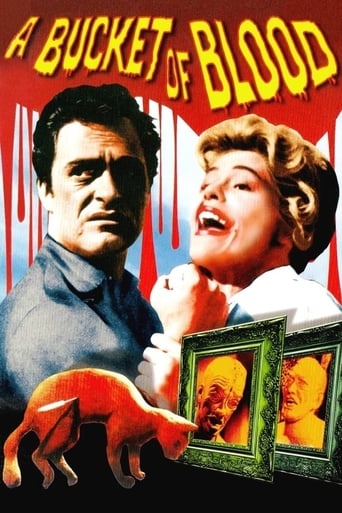
Roger William Corman is an American film director, producer, and occasional actor who became as the 'King of the B-Movies' for his prolific output of low-budget genre films. Born in Detroit and educated at Stanford University with an engineering degree, Corman began his film career in the early 1950s and quickly established himself excelled in making profitable films quickly and cheaply. During the period 1959-1963, he directed some of his most famous works including The Little Shop of Horrors, A Bucket of Blood, and The Wasp Woman, often completing productions in mere days. His films, while made on shoestring budgets, frequently featured surprisingly sophisticated themes and social commentary beneath their genre trappings. Corman's greatest legacy may be his role as a mentor and producer for future Hollywood giants like Francis Ford Coppola, Martin Scorsese, and James Cameron, whom he gave early opportunities to direct. He founded New World Pictures in 1970, revolutionizing independent film distribution by handling both exploitation films and foreign art cinema. With over 400 producing credits and 50+ directing credits spanning seven decades, Corman's influence on American cinema, particularly independent filmmaking, cannot be overstated.
The Craft
Behind the Camera
Corman's directing style was defined by extreme efficiency and resourcefulness, often completing films in days rather than weeks or months. He developed a reputation for maximizing production value through clever techniques like reusing sets, shooting multiple films simultaneously, and employing innovative cost-saving measures that didn't compromise visual quality. Despite his rapid shooting schedules, Corman's films featured surprisingly sophisticated cinematography and atmospheric lighting, particularly in his horror works. His approach was practical rather than stylistic, focusing on clear storytelling and effective genre elements while occasionally incorporating subtle social commentary. Corman believed in giving his creative teams freedom within budget constraints, leading to distinctive visual styles in many of his films despite their limited resources.
Milestones
- Founded New World Pictures (1970)
- Directed The Little Shop of Horrors (1960) in just two days
- Produced over 400 films throughout his career
- Gave early opportunities to directors who became Hollywood legends
- Created successful Edgar Allan Poe film series with Vincent Price
- Received Honorary Academy Award (2009)
- Pioneered independent film distribution model
Best Known For
Must-See Films
Accolades
Won
- Honorary Academy Award (2009)
- Golden Lion for Lifetime Achievement - Venice Film Festival (2010)
- Saturn Award for Lifetime Achievement (2014)
Nominated
- Academy Award nomination for Best Short Subject - The Intruder (1962)
Special Recognition
- Hollywood Walk of Fame star
- Inducted into the Horror Hall of Fame
- Lifetime Achievement Award from the Academy of Science Fiction, Fantasy & Horror Films
- Career Achievement Award from the Los Angeles Film Critics Association (2010)
Working Relationships
Worked Often With
Studios
Why They Matter
Impact on Culture
Roger Corman fundamentally changed the landscape of American cinema by proving that low-budget genre films could be both commercially successful and culturally significant. His production model of making films quickly and cheaply but with professional quality created a blueprint for independent filmmaking that continues to influence the industry today. During the 1960s, Corman's films often reflected countercultural themes and social commentary beneath their genre conventions, making them unexpectedly relevant to their times. His company New World Pictures revolutionized film distribution by simultaneously handling exploitation films and foreign art cinema, introducing American audiences to directors like Federico Fellini and Ingmar Bergman while maintaining a profitable business model. Corman's approach demonstrated that filmmakers could work outside the studio system while maintaining creative control and commercial viability, paving the way for the independent film movement of the 1970s and beyond.
Lasting Legacy
Roger Corman's legacy as the 'King of the B-Movies' transcends his reputation for making low-budget genre films; he fundamentally reshaped American cinema through his innovative production methods and mentorship of future industry giants. His greatest contribution may be the remarkable number of acclaimed directors who got their start working for him, including Francis Ford Coppola, Martin Scorsese, James Cameron, and Ron Howard, all of whom have acknowledged Corman's crucial role in their development. The techniques Corman developed for maximizing production value on minimal budgets have become standard practices in independent filmmaking. His Edgar Allan Poe film series with Vincent Price elevated horror cinema to new artistic heights within commercial constraints. By demonstrating that filmmakers could succeed outside the studio system, Corman helped create the independent film infrastructure that supports diverse voices in cinema today. His Honorary Academy Award in 2009 recognized not just his own films but his immeasurable influence on generations of filmmakers.
Who They Inspired
Corman's influence extends far beyond his own films through the countless directors he mentored and the production methods he pioneered. His emphasis on efficiency and resourcefulness has been adopted by virtually every successful independent producer and director who followed. The careers of major Hollywood directors like Scorsese, Coppola, and Cameron might have developed very differently without the early opportunities Corman provided. His approach to genre filmmaking—balancing commercial appeal with artistic ambition—has been particularly influential in horror and science fiction cinema, inspiring filmmakers from George Romero to John Carpenter. Corman's business model of creating films for specific audiences while maintaining production quality influenced the development of niche marketing in the film industry. His success in distributing both exploitation films and foreign art cinema through New World Pictures demonstrated that diverse content could be commercially viable, influencing later independent distributors like Miramax and New Line Cinema.
Off Screen
Roger Corman married Nancy Kulik in 1970, and their marriage has endured for over five decades, making it unusually stable by Hollywood standards. Together they have four children, and Corman has often credited his family life with providing stability amidst the chaos of film production. His brother Gene Corman also worked in the film industry as a producer, and they collaborated on several projects. Despite his reputation as a ruthless businessman, Corman has been described by colleagues as fair and loyal, with many maintaining long-term professional relationships with him. He has maintained homes in both Los Angeles and Santa Barbara, California, and has been known for his frugal personal habits despite his financial success.
Education
Bachelor's degree in Industrial Engineering from Stanford University (1947), attended Oxford University for one year, served in the U.S. Navy for two years after graduation
Family
- Nancy Kulik (1970-present)
Did You Know?
- The Little Shop of Horrors was famously filmed in just two days for $30,000
- Jack Nicholson's first starring role was in Corman's The Cry Baby Killer (1958)
- Corman once shot a film in five days and still made a profit
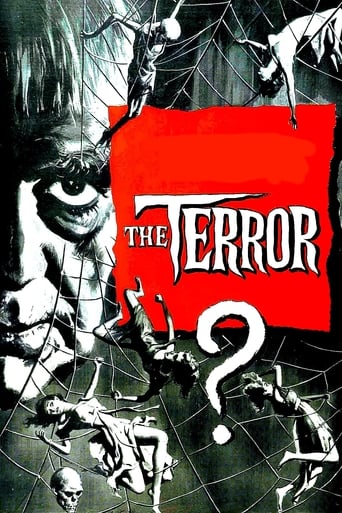
- He reused the set from The Raven (1963) for The Terror (1963), shooting the latter in just four days
- Francis Ford Coppola's first film as director, Battle Beyond the Sun (1962), was produced by Corman
- Corman's production company New World Pictures was the first independent distributor to handle foreign art films in the U.S.
- He was the first to distribute films by directors like Federico Fellini and Ingmar Bergman to American audiences
- The 1975 film Death Race 2000 was one of New World Pictures' biggest hits
- Corman sold New World Pictures in 1983 for $16.9 million
- He received an Honorary Academy Award in 2009, nearly 60 years after his directorial debut
- Many of his films were shot at the same studio (Producers Studio) in Hollywood
- The Little Shop of Horrors was written in a week by Charles B. Griffith
In Their Own Words
I've made a lot of pictures that I'm very proud of, but I've also made a lot of pictures that I'm not so proud of. But I've always tried to make them as good as I could.
My philosophy is: if a picture is going to be bad, it should be bad fast and cheap.
I don't think any film is truly finished. I think you just run out of time and money.
I've always tried to make films that had some social relevance, even if it was just in the background.
The most important thing in making a film is to have a good script. Everything else is secondary.
I'm a great believer in the audience. I think they're much more intelligent than they're given credit for.
I've always tried to push the envelope a little bit, to see how far I could go.
Frequently Asked Questions
Who was Roger Corman?
Roger Corman is an American film director and producer known as the 'King of the B-Movies' for his prolific output of low-budget genre films, particularly horror and science fiction. He founded New World Pictures and gave early career opportunities to many future Hollywood directors including Francis Ford Coppola, Martin Scorsese, and James Cameron.
What films is Roger Corman best known for?
Titles linked here include The Little Shop of Horrors (1960), A Bucket of Blood (1959).
When was Roger Corman born and when did he die?
Born April 5, 1926; died death date not listed.
What awards did Roger Corman win?
Corman received an Honorary Academy Award in 2009 for his contributions to cinema, a Golden Lion for Lifetime Achievement from the Venice Film Festival in 2010, and a Saturn Award for Lifetime Achievement in 2014.
What was Roger Corman's directing style?
Corman's directing style emphasized efficiency and resourcefulness, known for shooting films quickly on minimal budgets while maintaining professional quality. He often reused sets and props but created atmospheric, visually striking films, particularly in the horror genre.
How did Roger Corman influence other filmmakers?
Corman influenced generations of filmmakers by giving early opportunities to directors who became Hollywood legends, independent film production methods, and demonstrating that low-budget films could be both commercially successful and artistically significant. His protégés include Francis Ford Coppola, Martin Scorsese, James Cameron, and Ron Howard.
What was Roger Corman's contribution to independent cinema?
Corman revolutionized independent cinema by creating a successful business model for low-budget filmmaking outside the studio system, founding New World Pictures which distributed both exploitation films and foreign art cinema, and mentoring countless directors who would shape the New Hollywood movement of the 1970s.