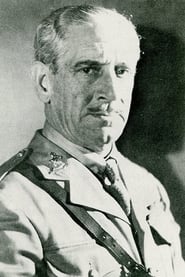
Claude King
Actor
Born: January 1, 1898 in London, England Died: May 18, 1979 Active: 1927-1942
Films
6 films

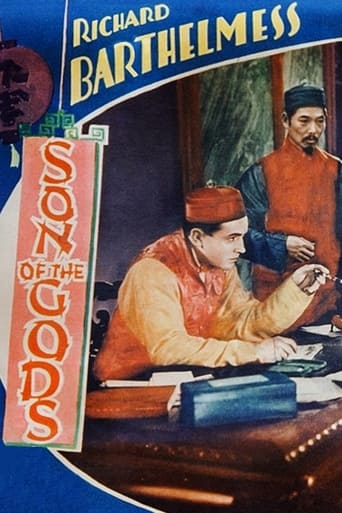
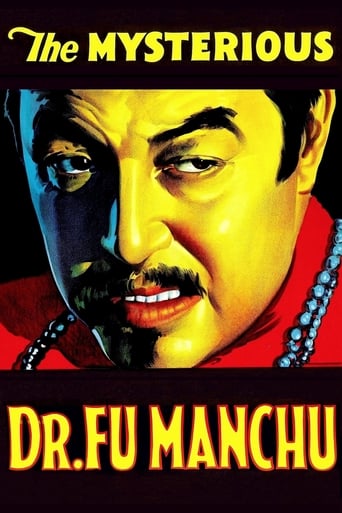
About Claude King
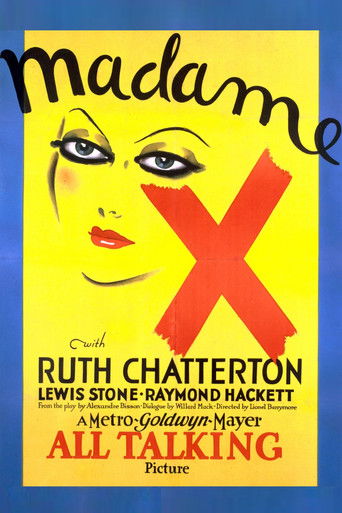
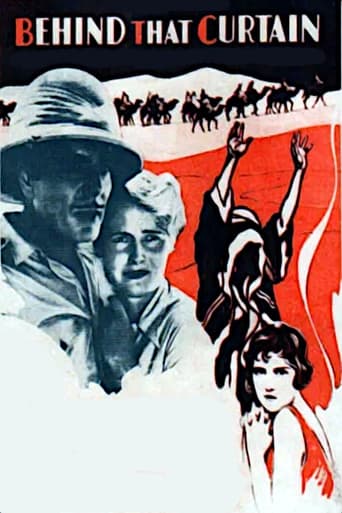
Made a significant mark during Hollywood's transition from silent films to talkies in the late 1920s and 1930s. Born in London in 1898, King began his acting career on the British stage before making his way to Hollywood, where he quickly established himself as a reliable supporting player. His film debut came in 1927 with the acclaimed drama 'Mr. Wu,' where he demonstrated his ability to portray sophisticated characters with authority and gravitas. King successfully navigated the challenging transition to sound films, appearing in notable productions such as 'Madame X' (1929) and 'Behind That Curtain' (1929), showcasing his versatility across different genres. Throughout the 1930s, he became typecast in roles as aristocrats, military officers, doctors, and other authority figures, his appearance and cultured accent making him particularly valuable in period pieces and dramas. Despite never achieving leading man status, King appeared in over 100 films, working with major studios and contributing significantly to the ensemble casts of many classic productions. His career extended into the early 1940s, after which he gradually reduced his film appearances before retiring from the industry.
The Craft
On Screen
Claude King was known for his dignified, authoritative presence and refined acting technique. His performances were characterized by a sophisticated, understated approach that relied heavily on his commanding stage presence and cultivated British accent. King excelled at portraying aristocratic characters, military officers, and professionals with a natural gravitas that required minimal theatrical flourishes. His acting style was particularly well-suited for the transition to sound films, as his clear diction and resonant voice made him valuable in early talkies. Unlike many silent film actors who struggled with the new medium, King adapted seamlessly, bringing a theatrical precision to his film performances that emphasized character authenticity over melodramatic gesture.
Best Known For
Iconic Roles
Must-See Films
Working Relationships
Worked Often With
Studios
Why They Matter
Impact on Culture
Claude King contributed significantly to the fabric of Golden Age Hollywood cinema as part of the essential supporting cast that gave classic films their depth and authenticity. As a British actor working in American cinema during the 1920s-1940s, he was part of the wave of English performers who brought international sophistication to Hollywood productions, helping to establish the industry's global appeal. His ability to convincingly portray authority figures and aristocrats helped create the archetypal 'British gentleman' character that would become a staple in American cinema. King's successful transition from silent films to talkies demonstrated the importance of theatrical training and vocal technique in early sound cinema, setting an example for other actors making the same transition.
Lasting Legacy
Claude King's legacy lies in his contribution to the golden era of Hollywood as a reliable and versatile character actor who enhanced countless films with his presence. While never a household name, his work in over 100 films helped define the supporting role in classic cinema, demonstrating how character actors provide essential texture and authenticity to ensemble productions. His career shows the vital importance of supporting players in creating memorable films, even when they don't receive top billing. Film historians and classic cinema enthusiasts recognize King as part of the foundation of Hollywood's Golden Age, representing the professional character actors who made the studio system function effectively.
Who They Inspired
Claude King influenced subsequent generations of character actors, particularly those specializing in portraying authority figures and aristocratic characters. His dignified approach to supporting roles helped establish the template for the professional character actor who brings authenticity and gravitas to ensemble productions. British actors who followed him to Hollywood, such as Basil Rathbone and Claude Rains, benefited from the path that actors like King helped clear for English performers in American cinema. His successful navigation of the silent-to-sound transition provided a model for adaptability that would influence actors facing technological changes in the industry throughout the 20th century.
Off Screen
Claude King maintained a relatively private personal life throughout his Hollywood career. Born and raised in England, he brought his British sensibilities and cultural background to his American film career, which influenced his casting in aristocratic roles. After establishing himself in Hollywood, he became part of the British expatriate community of actors working in American cinema. King eventually settled permanently in the United States, where he lived until his death in 1979 at the age of 81. Despite his extensive filmography, he remained out of the spotlight when not working, focusing on his craft rather than celebrity status.
Did You Know?
- Claude King appeared in over 100 films during his 15-year Hollywood career
- He was often typecast as an aristocrat or authority figure due to his appearance and British accent
- King successfully made the transition from silent films to talkies, unlike many of his contemporaries
- He frequently worked without on-screen billing in many of his later film roles
- King was part of a significant community of British actors working in Hollywood during the 1930s
- His active years covered the entire transition period from late silent cinema through the establishment of the classic Hollywood studio system
- Despite his extensive filmography, he never achieved leading man status but was highly valued by directors for his reliability
- King often played characters much older than his actual age, even in his 30s
Frequently Asked Questions
Who was Claude King?
British character with credits in this catalog.
What films is Claude King best known for?
When was Claude King born and when did he die?
Born January 1, 1898; died May 18, 1979.
What awards did Claude King win?
Claude King did not receive any major awards or nominations during his career, which was common for character actors of his era who worked primarily in supporting roles.
What was Claude King's acting style?
Claude King was known for his dignified, authoritative acting style characterized by understated performances, refined British diction, and a commanding presence that made him particularly effective in portraying aristocrats and authority figures during Hollywood's transition to sound films.