Films
2 films
About John Rogers
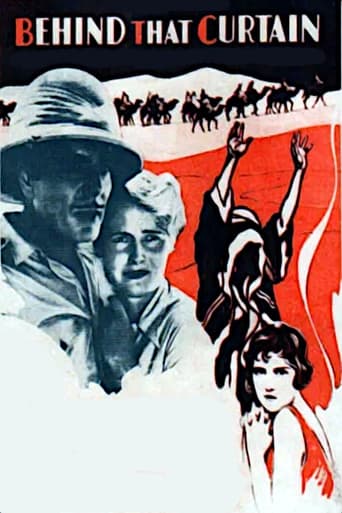
American actor who appeared briefly during the transition from silent films to talkies in the late 1920s. His only known film credit is the 1929 production 'Behind That Curtain,' which was one of the early sound films and part of the Charlie Chan series, though the film did not actually feature the character Charlie Chan despite being based on Earl Derr Biggers' novel. Rogers appeared during a pivotal moment in cinema history when many actors struggled to make the transition from silent to sound films. The fact that he has only one credited film suggests he may have been a bit player, extra, or someone who attempted but did not succeed in establishing a lasting career in the new era of talking pictures. Like many minor actors from this period, detailed records of his life and career have been lost to time, making him one of the countless forgotten performers who briefly graced the silver screen during Hollywood's revolutionary transition to sound.
The Craft
Milestones
- Appeared in 'Behind That Curtain' (1929) during the early sound era
Best Known For
Must-See Films
Why They Matter
Impact on Culture
John Rogers represents the thousands of actors who briefly appeared during Hollywood's transition from silent to sound films in the late 1920s. While his individual impact was minimal, collectively, actors like him formed the backbone of studio productions during this revolutionary period. His single appearance in 'Behind That Curtain' places him within the context of early sound cinema, a time when the industry was experimenting with new technologies and storytelling methods. The fact that so little is known about him today illustrates how many performers from this era have been lost to history, despite contributing to the films that helped shape modern cinema.
Lasting Legacy
John Rogers' legacy is primarily that of a representative figure for the countless minor actors who populated early Hollywood films. His brief appearance in a 1929 production makes him part of the historical record of cinema's transition to sound, though like many bit players of his era, he has largely been forgotten by film history. His story serves as a reminder of the transient nature of fame in early Hollywood and the thousands of performers who contributed to the golden age of cinema without achieving lasting recognition.
Who They Inspired
As an actor with only one known film credit, John Rogers had minimal direct influence on other performers or the film industry. However, as part of the cast of an early sound film, he participated in the groundbreaking period that established many conventions of talking pictures that would influence cinema for decades to come.
Off Screen
Very little is known about John Rogers' personal life, as was common for minor actors of the silent and early sound era who did not achieve lasting fame.
Did You Know?
- Appeared in 'Behind That Curtain' (1929), which was based on a Charlie Chan novel but notably did not feature the Charlie Chan character
- His entire known film career consists of a single year - 1929
- He was active during the critical transition period when silent films were being replaced by talkies
- Like many actors of his era, detailed biographical information has been lost to time
- His film was produced by Fox Film Corporation, one of the major studios of the era
- The film he appeared in was an early example of the mystery genre in sound cinema
- Many actors with brief careers like Rogers' were unable to adapt to the new demands of sound acting
Frequently Asked Questions
Who was John Rogers?
American with credits in this catalog.' He represents the many minor actors who worked during cinema's transition from silent to sound films.
What films is John Rogers best known for?
Titles linked here include Behind That Curtain (1929).
When was John Rogers born and when did he die?
Unfortunately, John Rogers' birth and death dates are not recorded in historical archives, which was common for minor actors from the silent and early sound era who did not achieve lasting fame.
What awards did John Rogers win?
There are no records of John Rogers receiving any awards or nominations for his work in film, which was typical for bit players and minor actors during this period of cinema history.
What was John Rogers' acting style?
Due to the limited documentation of his career and the fact that he appeared in only one film, there is no detailed information available about John Rogers' specific acting style or techniques.
Why is so little known about John Rogers?
The scarcity of information about John Rogers is typical of minor actors from the silent and early sound era. Studio records were often incomplete for supporting players, and those who did not achieve stardom were frequently omitted from contemporary press coverage and later historical documentation.