Lois Moran
Actor
Born: March 1, 1909 in Pittsburgh, Pennsylvania, USA Died: August 13, 1990 Active: 1924-1930 Birth Name: Lois Dawn Moran
Films
5 films
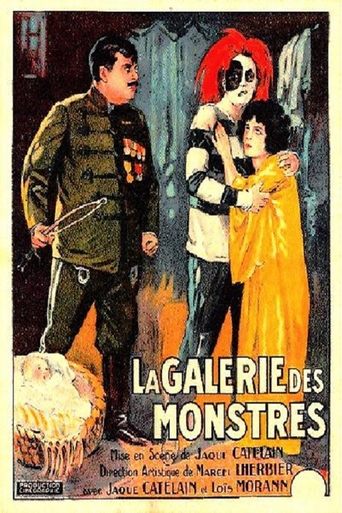
About Lois Moran
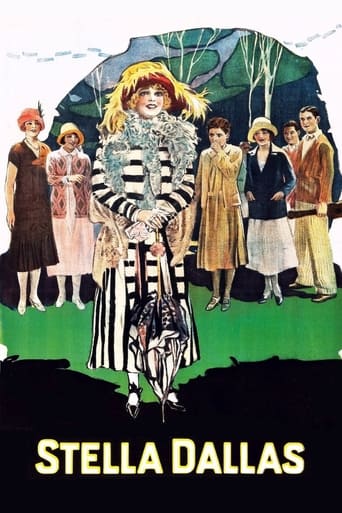
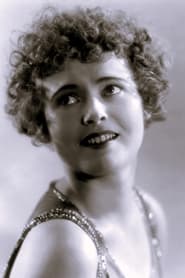
Captivating American actress who rose to prominence during the silent film era, discovered while living in Paris as a teenager. She began her career after being noticed by film director Ernst Lubitsch, who cast her in his 1924 film 'The Marriage Circle', marking her debut in European cinema. Moran quickly transitioned to Hollywood where she signed with Paramount Pictures and became promising young actresses of the mid-1920s. Her breakthrough role came in 1925's 'Stella Dallas', where she played the daughter of the titular character, showcasing her natural acting ability and emotional depth. Throughout her career, she worked with notable directors and appeared in approximately 20 films between 1924 and 1930. Moran's career was cut short by the advent of sound films and her marriage, leading her to retire from acting in the early 1930s. Despite her relatively brief career, she on silent cinema and was considered talented actresses of her generation.
The Craft
On Screen
Lois Moran was known for her naturalistic and emotionally nuanced performances, which stood out during an era often characterized by exaggerated melodrama. She possessed a delicate screen presence combined with remarkable emotional depth, allowing her to convey complex feelings with subtle gestures and expressions. Her acting style was particularly effective in dramatic roles where she could showcase her ability to portray vulnerability and strength simultaneously. Critics often praised her for bringing authenticity to her characters, avoiding the theatrical tendencies common in silent film acting.
Milestones
- Discovered in Paris by director Ernst Lubitsch at age 15
- Breakthrough role in 'Stella Dallas' (1925) opposite Ronald Colman
- Starred in 'Padlocked' (1926) directed by Herbert Brenon
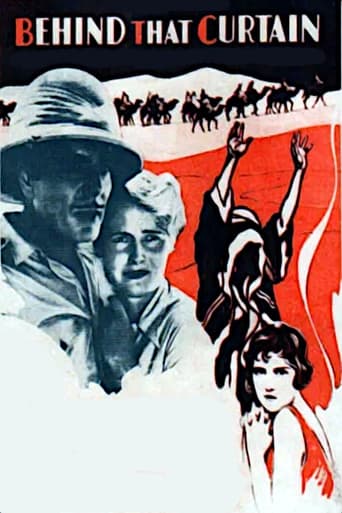
- Appeared in early talkie 'Behind That Curtain' (1929)
- Named one of the WAMPAS Baby Stars of 1926
- Worked with major studios including Paramount and Fox
Best Known For
Iconic Roles
Must-See Films
Accolades
Special Recognition
- Named WAMPAS Baby Star of 1926 (Western Association of Motion Picture Advertisers)
Working Relationships
Worked Often With
Studios
Why They Matter
Impact on Culture
Lois Moran represented the transition from the Victorian era to the modern woman of the 1920s, embodying the flapper spirit while maintaining a sense of classical elegance. Her performances helped establish a more naturalistic style of acting in silent films, influencing how emotional depth could be conveyed without dialogue. As one of the few American actresses who began her career in Europe before returning to Hollywood, she bridged European and American cinematic sensibilities. Her success as a young woman discovered abroad inspired other aspiring actresses and demonstrated that talent could transcend geographical boundaries in the emerging global film industry.
Lasting Legacy
Lois Moran's legacy lies in her contribution to the golden age of silent cinema and her role in helping define naturalistic acting techniques during this transitional period in film history. Though her career was brief, her performances in films like 'Stella Dallas' continue to be studied by film scholars and appreciated by silent film enthusiasts. She represents the many talented actors of the silent era whose careers were impacted by the transition to sound, serving as a reminder of the artistic losses that accompanied technological progress in cinema. Her story also illustrates the common pattern of early Hollywood stars who chose family life over continued fame.
Who They Inspired
Moran influenced subsequent generations of actors through her subtle, naturalistic approach to silent film acting, which contrasted with the more theatrical styles of her contemporaries. Her ability to convey complex emotions with minimal movement and expression helped pave the way for the more understated acting styles that would become standard in sound cinema. Young actresses studying silent film techniques often look to her performances as examples of how to achieve emotional authenticity within the constraints of the medium.
Off Screen
Lois Moran was born to a working-class family in Pittsburgh and moved to Paris with her mother at a young age, where she received her education. She married Clarence M. Brown, a wealthy oil executive, in 1930, which effectively ended her acting career. The couple had one child, a daughter named Patricia. After retiring from films, Moran dedicated herself to her family and philanthropic work. She lived a relatively private life away from the Hollywood spotlight, occasionally giving interviews about her film career in later years. She spent her later years in Sedona, Arizona, where she passed away at the age of 81.
Education
Educated in Paris, France during her formative years; attended private schools in Europe before entering films
Family
- Clarence M. Brown (1930-1970, his death)
Did You Know?
- Was discovered while working as a dancer in a Parisian cabaret at age 15
- Spoke fluent French and English, which helped her secure early film roles
- Was one of the youngest actresses to be signed to a major studio contract in the 1920s
- Her mother was a strict chaperone on film sets, which was unusual for the era
- Turned down several roles after marriage to focus on family life
- Was considered for the lead in 'Sunrise' (1927) but the role went to Janet Gaynor
- Maintained correspondence with several of her Hollywood colleagues throughout her life
- Her daughter Patricia became a successful artist and sculptor
- Was featured in several film magazines as a style icon of the 1920s
- Had a brief but memorable friendship with F. Scott Fitzgerald during her Hollywood years
In Their Own Words
I never really missed the fame. I had my family, my health, and my memories. That was enough for me.
Being discovered in Paris was like a fairy tale, but I learned quickly that Hollywood was a different world entirely.
The transition to sound was difficult for many of us. Some voices worked, some didn't. Mine was adequate, but my heart wasn't in it anymore.
Frequently Asked Questions
Who was Lois Moran?
American actress who rose to fame during the silent film era in the 1920s. Discovered in Paris by director Ernst Lubitsch, she became known for her naturalistic acting style and memorable roles in films like 'Stella Dallas' and 'Padlocked' before retiring from acting in the early 1930s.
What films is Lois Moran best known for?
Titles linked here include Stella Dallas (1925), Padlocked (1926).
When was Lois Moran born and when did she die?
Born March 1, 1909; died August 13, 1990.
What awards did Lois Moran win?
While Lois Moran did not win major film awards, she was recognized as one of the WAMPAS Baby Stars of 1926, an honor given to promising young actresses in Hollywood. Her performances received critical acclaim, particularly for her emotional depth and naturalistic style.
What was Lois Moran's acting style?
Lois Moran was known for her naturalistic and emotionally nuanced acting style, which stood out during an era often characterized by exaggerated melodrama. She conveyed complex emotions with subtle gestures and expressions, bringing authenticity to her characters that was ahead of its time in silent cinema.