

Blanche Friderici
Actor
Born: January 21, 1878 in Brooklyn, New York, USA Died: December 23, 1940 Active: 1920-1932 Birth Name: Blanche L. Friderici
Films
3 films
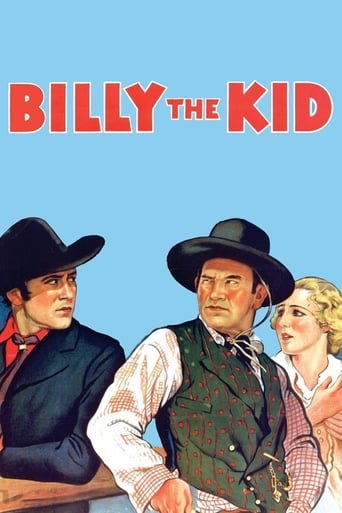
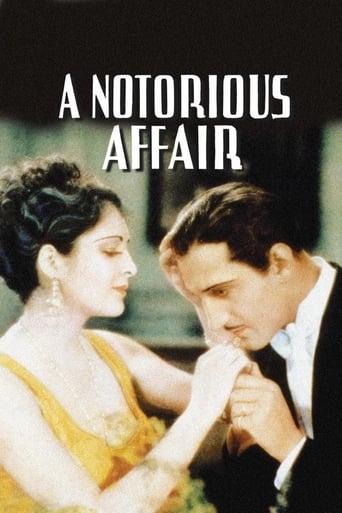
About Blanche Friderici
Made a significant mark in both silent films and early talkies during the transition period of Hollywood. Born in Brooklyn, New York, she began her career on the legitimate stage before transitioning to motion pictures in the early 1920s. Friderici quickly established herself as a versatile character actress, specializing in portraying stern, authoritative, and often matronly figures with remarkable depth and authenticity. Her commanding presence and distinctive features made her particularly memorable in supporting roles, where she could steal scenes with minimal dialogue. Throughout her career, she appeared in over 60 films, working with some of Hollywood's most prestigious directors and actors of the era. Her performance in 'A Farewell to Arms' (1932) as the head nurse stands as one of her most memorable roles, showcasing her ability to convey complex emotions through subtle expressions. Despite her prolific output, Friderici retired from films in the early 1930s, returning to her theatrical roots before her death in 1940.
The Craft
On Screen
Friderici was known for her naturalistic and understated acting style, particularly effective in portraying stern, authoritative characters with remarkable depth. Her technique relied heavily on subtle facial expressions and controlled body language, allowing her to convey complex emotions without excessive melodrama. As a classically trained stage actress, she brought theatrical precision to her film performances, creating memorable characters through careful attention to detail and authentic emotional delivery.
Milestones
- Stage career before transitioning to films
- Appeared in over 60 films during her career
- Memorable role in 'A Farewell to Arms' (1932)
- Successful transition from silent films to talkies
- Worked with major studios including MGM and Paramount
Best Known For
Iconic Roles
Must-See Films
Working Relationships
Worked Often With
Studios
Why They Matter
Impact on Culture
Blanche Friderici contributed significantly to the evolution of character acting in early Hollywood, helping establish the importance of supporting roles in narrative films. Her successful transition from silent films to talkies demonstrated the value of classical theater training in the new sound era. Friderici's portrayals of strong, authoritative women helped challenge and expand the limited roles available to actresses of her generation, particularly those who didn't fit the conventional Hollywood starlet mold. Her work in films like 'A Farewell to Arms' and 'Dracula' contributed to the atmospheric quality and emotional depth of early sound cinema.
Lasting Legacy
Blanche Friderici's legacy endures through her memorable performances in some of early Hollywood's most significant films. She represents the generation of classically trained stage actors who successfully adapted to the new medium of motion pictures, bringing theatrical gravitas to the silver screen. Her ability to create fully realized characters in limited screen time set a standard for character actors that continues to influence the craft today. Though not a household name, film historians and classic cinema enthusiasts recognize her as an essential contributor to the golden age of Hollywood's supporting cast.
Who They Inspired
Friderici influenced subsequent generations of character actors through her demonstration of how supporting roles could be elevated through nuanced, authentic performances. Her naturalistic acting style helped pave the way for the more realistic approaches that would dominate Hollywood acting in the 1930s and beyond. Younger actresses studying her work could learn valuable lessons about creating memorable characters with limited screen time and dialogue, a skill that remains essential for character actors today.
Off Screen
Blanche Friderici was married to William A. Brady Jr., the son of renowned Broadway producer William A. Brady Sr., which connected her to one of American theater's most influential families. She maintained a relatively private personal life, focusing primarily on her craft and career. Despite her success in Hollywood, she never lost her connection to the theater world and often returned to stage performances when film work was scarce. Her marriage to Brady Jr. Provided her with both emotional support and valuable industry connections throughout her career.
Education
Classical theater training, though specific educational institutions are not documented in available records
Family
- William A. Brady Jr. (married until his death)
Did You Know?
- She was born in the same year as Thomas Edison invented the phonograph
- Despite being a successful film actress, she always considered herself primarily a stage performer
- Her distinctive features and stern demeanor made her a popular choice for playing school principals, head nurses, and housekeepers
- She appeared in both the English and German versions of some early talkies
- Her final film appearance was in 1932, after which she returned to stage work
- She worked with horror icon Bela Lugosi in 'Dracula' (1931)
- Friderici was part of the transition generation that worked in both silent films and talkies
- She often played characters much older than her actual age
- Her husband's family connections helped her secure early film roles
- She was known for her professionalism and reliability on set, making her a favorite among directors
In Their Own Words
In character acting, the smallest gesture can speak volumes if it comes from truth.
The stage teaches you discipline; film teaches you subtlety. I was fortunate to learn both.
Frequently Asked Questions
Who was Blanche Friderici?
American character actress who worked in silent films and early talkies during the 1920s and 1930s. She was known for playing stern, authoritative roles and appeared in over 60 films before returning to stage work.
What films is Blanche Friderici best known for?
Titles linked here include A Farewell to Arms (1932), Dracula (1931).
When was Blanche Friderici born and when did she die?
Born January 21, 1878; died December 23, 1940.
What awards did Blanche Friderici win?
Despite her prolific career, Blanche Friderici did not receive major formal awards or nominations, which was common for character actors of her era. Her recognition came primarily from critical acclaim and the respect of her peers.
What was Blanche Friderici's acting style?
Friderici was known for her naturalistic, understated acting style that emphasized subtle expressions and controlled body language. Her classical stage training brought theatrical precision to her film performances, making her particularly effective in stern, authoritative roles.