
The Sheik
"Desert passion, captive heart"
Keys: Space play/pause · ←/→ 10s · F fullscreen · M mute · </> speed
About this film
Sheik Ahmed abducts spirited British socialite Diana to his desert palace. She resists his embraces until a rescue attempt and a revelation about his identity change how she sees the man behind the robes.
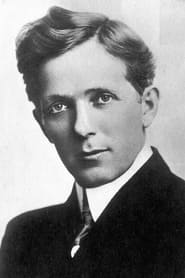
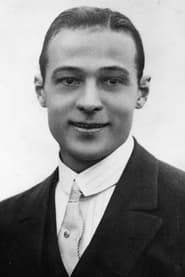
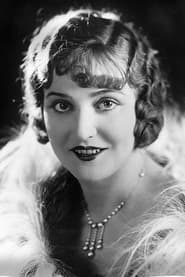
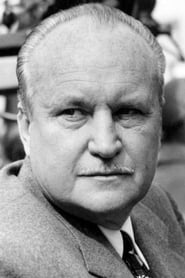
Cast & crew
More films like this


More Adventure films
View all →

More from George Melford
View all →
More about this film
About the production
Release dateNovember 20, 1921
Budget$200,000
Box office$1,000,000+ (enormous success for the time)
ProductionFamous Players-Lasky Corporation, Paramount Pictures
Filmed inOxnard, California, Guadalupe Dunes, California, Paramount Studios, Hollywood
The film was shot on location in California's sand dunes to simulate the Arabian desert. Valentino insisted on doing many of his own stunts, including riding scenes. The production faced challenges with the extreme heat during filming. The famous tent palace was an elaborate set costing thousands to construct. The film's success led to immediate plans for a sequel, which became 'The Son of the Sheik' in 1926.
Themes
Power dynamics in romantic relationshipsCultural clash between East and WestFemale independence and submissionThe transformative power of loveExoticism and Orientalism
Themes & topics
abductiondesert romancesheikhBritish socialitecultural clashforced romanceescape attemptrescueidentity revelationpassionate loveArabian desertluxury tenttribal conflicttransformation
Historical background
Released in 1921, The Sheik belongs to the silent feature period and reflects production norms of its release season.
Why this film matters
The Sheik contributes to understanding regional output and audience tastes around 1921.
Making of
The production of 'The Sheik' was marked by several interesting behind-the-scenes stories. Rudolph Valentino, though not the first choice for the role, fought passionately for the part and convinced studio executives he could embody the character. The desert scenes were filmed in California's Oxnard dunes, where cast and crew endured extreme temperatures. Valentino formed a close friendship with co-star Agnes Ayres during filming, though their relationship remained professional. The famous scene where Valentino carries Ayres was physically demanding and required multiple takes. The film's success led to immediate typecasting for Valentino, which both benefited and haunted his career. Director George Melford reportedly struggled with the film's romantic elements, relying heavily on Valentino's natural charisma. The elaborate costumes and sets were designed to create an exotic fantasy version of Arabia rather than authentic representation.
What critics said
Review records for The Sheik are typical of 1921: brief for shorts, more sustained for features.
Did you know?
- The film made Rudolph Valentino an international superstar and established him as cinema's first great romantic leading man.
- Valentino's performance created the 'Latin Lover' archetype in Hollywood that influenced cinema for decades.
- The film was based on the bestselling novel by Edith Maude Hull, published earlier the same year.
- Despite its romantic reputation, the film's themes of abduction and forced romance have drawn criticism from modern perspectives.
- The Sheik costume design became iconic and was widely imitated in Halloween costumes and fashion of the 1920s.
- Paramount was initially hesitant about the project, fearing it wouldn't appeal to American audiences.
- The film's success spawned numerous desert romance films throughout the 1920s.
- Valentino was paid only $1,250 per week for the film, though his salary skyrocketed after its release.
- The film was one of the first to have an official novelization published simultaneously with its release.
- A young Cecil B. DeMille was initially considered to direct before George Melford was chosen.
- The film's success led to a massive increase in tourism to Egypt and other Middle Eastern destinations.
- The original novel was even more controversial than the film adaptation.
Awards & recognition
- No major awards were given to silent films in 1921, as the first Academy Awards ceremony wouldn't occur until 1929
Visual style
The cinematography of 'The Sheik,' handled by William Marshall, employed innovative techniques for its time. The film made extensive use of location shooting in California's sand dunes, creating sweeping panoramic shots that emphasized the vastness of the desert setting. Marshall utilized natural lighting to dramatic effect, particularly in the outdoor scenes where the harsh sunlight created stark contrasts and shadows. The film featured several close-ups of Valentino, which was relatively uncommon at the time and helped establish his star presence. The tent palace scenes were lit to create an atmosphere of exotic luxury and intimacy. The cinematography also included dynamic camera movements during chase sequences and action scenes. The visual style successfully created a romanticized version of the Arabian desert that appealed to Western audiences' fantasies about the Orient.
Innovations
While not groundbreaking in technical innovation, 'The Sheik' showcased several notable technical achievements for its time. The film's location shooting in challenging desert conditions demonstrated the expanding possibilities of film production beyond studio sets. The elaborate construction of the tent palace set represented significant advances in set design and art direction. The film's editing techniques, particularly in the action sequences, helped maintain narrative momentum and suspense. The successful integration of location footage with studio scenes was technically impressive for 1921. The film also demonstrated effective use of tinting techniques, with different scenes colored to enhance mood - amber tones for desert scenes, blue for night sequences. These technical elements combined to create a polished and visually appealing production that helped set new standards for romantic adventure films.
Music
As a silent film, 'The Sheik' was originally accompanied by live musical performances in theaters. The score typically included classical pieces, popular songs of the era, and original compositions. Paramount provided musical cue sheets to theater orchestras, suggesting appropriate music for different scenes. The film's romantic moments were often accompanied by pieces like 'Liebestraum' by Liszt, while action scenes featured more dramatic compositions. Some theaters used the popular song 'The Sheik of Araby' (written in 1921, inspired by but not officially connected to the film) as part of their programming. The music was crucial in conveying emotion and atmosphere, particularly during the intimate scenes between Valentino and Ayres. Modern restorations of the film have featured newly composed scores by silent film music specialists.
Famous quotes
I am a sheik. I have the right to do as I please with my property.
You will learn to love me, Diana. I have all the time in the world.
You may hate me now, but you will learn to love me.
In the desert, one learns many things. The most important is that life is precious.
You are free to go, Diana, but you will find that freedom is not what you think it is.
Memorable scenes
- The dramatic abduction scene where the Sheik carries Diana across the desert on horseback, establishing the film's central conflict and Valentino's powerful screen presence.
- The tent palace confrontation where Diana first defies the Sheik, showcasing her independence and setting up their passionate dynamic.
- The escape sequence through the desert sands, visually stunning and emotionally charged as Diana attempts to regain her freedom.
- The rescue scene where the Sheik saves Diana from rival tribesmen, revealing his true feelings and risking everything for her safety.
- The final revelation scene where the Sheik's true identity is disclosed, transforming the entire context of their relationship.
What audiences thought
Audiences in 1921 were absolutely captivated by 'The Sheik,' turning it into a cultural phenomenon. The film broke box office records across the country and internationally, with some theaters running it continuously for months. Female audiences were particularly drawn to Valentino's performance, with many attending multiple screenings. The film sparked a craze for Sheik-themed parties, costumes, and products. Fan mail for Valentino overwhelmed the studio, and he became one of the first true media celebrities. The film's success was so profound that it rescued Paramount Pictures from financial difficulties. Despite some moral outrage from conservative groups, mainstream audiences embraced the film's romantic fantasy. The passionate response to the film demonstrated cinema's growing power to create cultural icons and influence popular taste.
Film connections
Influenced by
- The Sheik novel by Edith Maude Hull (1921)
- Arabian Nights tales
- Byronic hero archetype
- Desert adventure literature
- Orientalist art and literature
- Romantic melodrama tradition
- Italian diva films
This film influenced
- The Son of the Sheik (1926)
- The Desert Song (1929)
- Morocco (1930)
- The Garden of Allah (1936)
- Kismet (1944)
- Lawrence of Arabia (1962)
- Aladdin (1992 Disney animated)
- The Mummy (1999)
- Sex and the City 2 (2010)
Film restoration
The Sheik has been preserved and is considered to be in good condition for a film of its age. The original negative is held at the UCLA Film and Television Archive. The film has undergone several restoration projects, with the most comprehensive being completed by the Museum of Modern Art in collaboration with Paramount Pictures. A restored version was released on Blu-ray by Kino Lorber in 2015, featuring a newly commissioned musical score. The film remains accessible to modern audiences through various home media releases and streaming platforms. While some scenes show minor deterioration typical of nitrate film from this period, the overall visual quality is quite good, allowing viewers to appreciate the cinematography and production design.
Where to watch
- The Criterion Channel
- Kino Now (streaming)
- Amazon Prime Video (for rent or purchase)
- Apple TV (for rent or purchase)
- Google Play Movies (for rent or purchase)
- YouTube Movies (for rent or purchase)
- Blu-ray/DVD from Kino Lorber
- Various public domain streaming sites
- Film archives and museum screenings
- TCM (Turner Classic Movies) periodic broadcasts