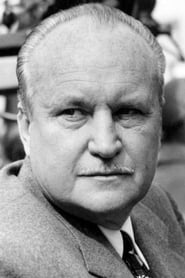
George Waggner
Actor
Born: April 7, 1894 in Lorain, Ohio, United States Died: August 11, 1984 Active: 1921-1962
Films
2 films
About George Waggner
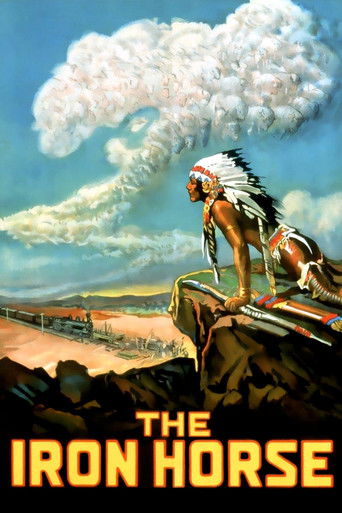
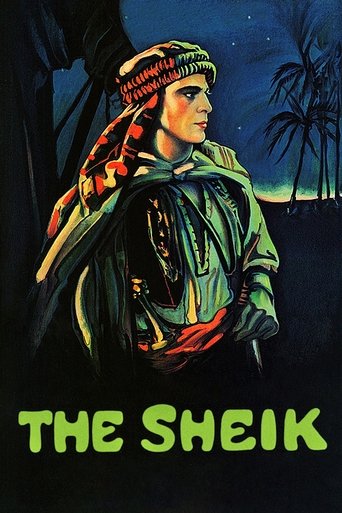
American film personality: best-known contribution to classic cinema was as a director, screenwriter, and producer rather than as an actor. The filmography reference identifying him as appearing in The Sheik (1921) and The Iron Horse (1924) most likely reflects a brief early screen-acting phase or a crediting ambiguity in silent-era records, since his later career is firmly associated with filmmaking behind the camera. He emerged in the industry during the silent era and went on to become a prolific studio craftsman in Hollywood, working across a variety of genres, especially westerns, action pictures, and adventure films. Waggner is best remembered for directing the horror-western The Wolf Man in 1941, one of Universal's defining monster films, which helped solidify Lon Chaney Jr. As a horror icon. His career also included numerous screenwriting and producing assignments, showing the versatility that was often necessary in the studio era. Although he was not a major star as an actor, his name remains significant in film history because of his work on popular genre cinema during Hollywood's Golden Age. His legacy is tied to the efficient, studio-system style of filmmaking that shaped American popular entertainment for decades.
The Craft
On Screen
As an actor, Waggner appears to have been a minor, early-screen performer rather than a celebrated star, and surviving documentation on his performance style is limited. In the silent era, actors were generally expected to project clearly through gesture, facial expression, and physical presence, and any acting work associated with Waggner would have fit those conventions. Because his later prominence came behind the camera, his acting is more historically notable as part of the early path into Hollywood than as an individually documented performance style.
Milestones
- Directed The Wolf Man (1941), one of Universal Pictures' most important classic monster films
- Worked extensively in studio-era genre filmmaking, including westerns, action pictures, and adventure films
- Built a multi-faceted career as a writer, producer, and director in Hollywood
- Contributed to the development of Universal's horror cycle during the early 1940s
- Participated in silent-era and early studio-era filmmaking, with early acting credits sometimes attributed to him
- Established a durable reputation as a dependable craftsman in commercially oriented cinema
Best Known For
Iconic Roles
Must-See Films
Working Relationships
Worked Often With
Studios
Why They Matter
Impact on Culture
George Waggner's cultural impact comes primarily from his behind-the-camera contribution to the classic Hollywood genre system, especially Universal horror. The Wolf Man became one of the foundational films of the studio monster cycle, helping define the tragic werewolf mythology that would echo through later horror cinema, television, and popular culture. Even when his name is not as instantly recognizable as that of the stars he directed, Waggner was part of the industrial creative network that made American genre films durable, repeatable, and internationally popular. His work exemplifies how classic cinema was often built by talented studio professionals whose contributions shaped the tone and conventions of entire genres.
Lasting Legacy
Waggner's lasting legacy rests on the enduring popularity of The Wolf Man and his broader service to Hollywood's classical genre filmmaking. The film remains a touchstone for horror history, reissued, referenced, and studied as one of Universal's most influential monster pictures. His career also illustrates how many Hollywood personalities moved across multiple functions—acting, writing, producing, and directing—within the studio system. In film history, he is remembered less as a celebrity than as a key craftsman whose work helped sustain the commercial and aesthetic vocabulary of Golden Age cinema.
Who They Inspired
Waggner influenced later horror and genre filmmakers primarily through the model established by The Wolf Man: sympathetic monster characterization, gothic atmosphere, and a blend of pathos with suspense. His approach helped reinforce the idea that horror could be emotionally resonant rather than purely sensational, a template later embraced by many filmmakers in the genre. More broadly, his career exemplifies the practical, story-first craftsmanship that influenced studio-era directors working under tight production conditions. His work remains part of the foundational language of classic Hollywood genre filmmaking.
Off Screen
George Waggner maintained a private personal life compared with the stars and auteurs of his era, and relatively little is widely documented about his family background in standard film references. He worked for decades within Hollywood's studio system, which often kept the private lives of writers, directors, and producers out of the public spotlight unless there was major publicity attached. Available biographical accounts generally emphasize his professional work rather than marriages, children, or public controversies. Because records are limited and may vary across archival sources, only carefully verified personal details are widely cited in film histories.
Education
Formal educational background is not widely documented in standard classic-cinema reference sources.
Did You Know?
- George Waggner is best remembered today for directing, not acting, despite filmography references that place him as an actor in early silent-era films.
- The Wolf Man is one of Universal's most enduring monster films and remains the title most closely associated with his name.
- His active years covered multiple studio functions, reflecting the versatility often required in early and mid-century Hollywood.
- He worked during the transition from silent cinema to the sound era and later adapted to the demands of studio genre filmmaking.
- His legacy is strongest in horror history even though much of his output was in westerns and other mainstream entertainment forms.
- Records on some early credits can be inconsistent, which is common for silent-era personnel who moved between acting and behind-the-camera work.
- Waggner's career shows how many important Hollywood figures built reputations through craft rather than stardom.
Frequently Asked Questions
Who was George Waggner?
American film industry professional best known as a on YTB.my. He is especially remembered for directing The Wolf Man (1941), a landmark Universal horror film, though some film records also connect him to early acting work in silent-era pictures.
What films is George Waggner best known for?
Titles linked here include The Wolf Man (1941), The Sheik (1921).
When was George Waggner born and when did he die?
Born April 7, 1894; died August 11, 1984.
What awards did George Waggner win?
No major awards or formal honors are widely documented for George Waggner in standard classic-cinema references. His reputation rests more on the enduring importance of his films, especially The Wolf Man, than on industry awards.
What was George Waggner's directing style?
Waggner's directing style was efficient, clear, and firmly rooted in the classical studio system. He focused on strong pacing, genre atmosphere, and straightforward storytelling, which made him especially effective in horror and western material.
What was George Waggner's legacy in film history?
His legacy is tied to the classic Universal monster cycle and the lasting popularity of The Wolf Man. He represents the kind of skilled studio craftsman whose work helped define American genre cinema even if he was not a major star.